Awareness Month

Hypertension Awareness Month

May 1 – 31, 2026 Recurs yearly

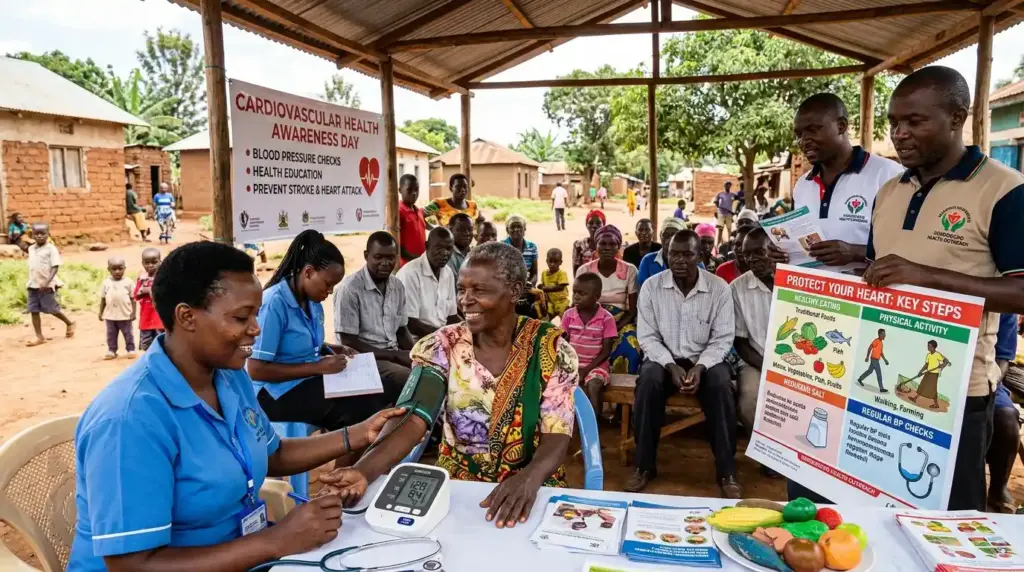
Community blood pressure screening and hypertension awareness illustration.

2026 Theme

Controlling Hypertension Together: Check Your Blood Pressure Regularly, Defeat the Silent Killer

Theme by World Hypertension League (WHL) and supported by the World Health Organization (WHO)

Campaign Representation

Officially represented by the Red Ribbon.

Campaign Description

Hypertension Awareness Month is observed throughout May to raise awareness of high blood pressure (hypertension), often called the "silent killer" because it frequently develops without noticeable symptoms while increasing the risk of heart disease, stroke, kidney disease, and premature death. The month-long campaign encourages individuals to know their blood pressure numbers, adopt heart-healthy lifestyles, seek early diagnosis, and adhere to treatment when needed. It also supports healthcare systems and communities in improving hypertension screening, prevention, treatment, and long-term control through education, outreach, and policy initiatives.

Theme Focus

“Controlling Hypertension Together” emphasizes that preventing and controlling high blood pressure requires sustained action by individuals, families, communities, healthcare professionals and health systems.

The campaign highlights the importance of regular blood-pressure checks, early detection, healthy lifestyle choices, appropriate treatment and continued follow-up. Because hypertension often causes no obvious symptoms, people may live with it for years without knowing it. Untreated or inadequately controlled hypertension increases the risk of stroke, heart disease, kidney disease and premature death.

For a month-long campaign, the message can extend beyond awareness to the practical steps that make long-term control possible: access to reliable blood-pressure measurement, affordable medicines, clear health information and ongoing care.

Key Priorities

  • Know your numbers: Encourage regular, accurate blood-pressure measurement.
  • Improve early detection: Reach people who have hypertension but do not know it.
  • Promote healthy lifestyles: Encourage physical activity, a balanced diet and reduced salt intake.
  • Support treatment adherence: Encourage people to take prescribed medicines consistently and discuss difficulties with their healthcare professionals.
  • Strengthen primary healthcare: Improve access to screening, diagnosis, treatment and follow-up.
  • Improve access to medicines: Address affordability, availability and supply barriers.
  • Reduce cardiovascular risk: Highlight the links between uncontrolled hypertension, stroke, heart disease and kidney disease.
  • Correct misconceptions: Explain that hypertension can be present even when a person feels well.
  • Promote accurate measurement: Encourage correct technique and the use of validated blood-pressure monitors.
  • Engage families and communities: Build supportive environments for long-term blood-pressure control.
  • Address health inequalities: Improve access to prevention and treatment in underserved communities.
  • Strengthen long-term care: Emphasize that hypertension management requires sustained monitoring and treatment, not a one-time check.

Key Concepts

  • Hypertension
  • High blood pressure
  • Blood-pressure measurement
  • Systolic blood pressure
  • Diastolic blood pressure
  • Hypertension screening
  • Early detection
  • Home blood-pressure monitoring
  • Validated blood-pressure devices
  • Hypertension control
  • Cardiovascular disease
  • Stroke
  • Heart disease
  • Kidney disease
  • Cardiovascular risk
  • Antihypertensive medicines
  • Medication adherence
  • Lifestyle modification
  • Physical activity
  • Dietary sodium
  • Salt reduction
  • Healthy diet
  • Obesity
  • Tobacco use
  • Alcohol consumption
  • Prevention
  • Health education
  • Noncommunicable diseases

Campaign Resources & Support

View Awareness Calendar