Skip to content
Menu
Awareness MonthOngoing: Sarcoma Awareness MonthAwareness DayWorld Hepatitis Day starts in 4 daysAwareness MonthBreastfeeding Awareness Month starts in 8 daysHealth CampaignWorld Breastfeeding Week starts in 8 daysAwareness DayWorld Lung Cancer Day starts in 8 days
Awareness Day

World Hand Hygiene Day

May 5, 2026 Recurs yearly

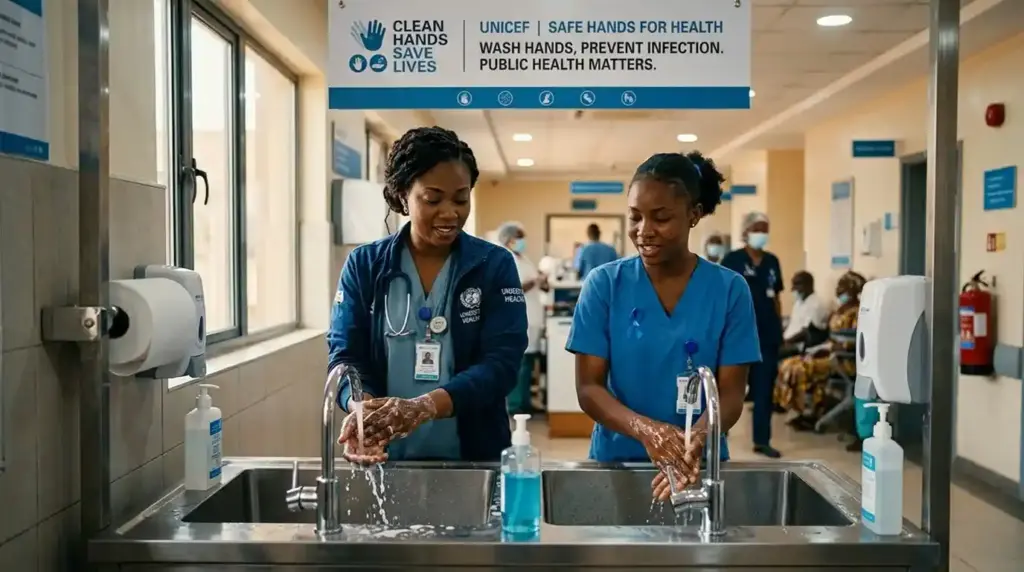
Healthcare workers practicing hand hygiene during infection prevention awareness campaigns.

2026 Theme

"Action Saves Lives"

Campaign Description

World Hand Hygiene Day is the annual global observance held every 5 May as the flagship event of the WHO's SAVE LIVES: Clean Your Hands campaign. The day raises worldwide awareness of the critical role that proper hand hygiene plays in preventing healthcare-associated infections, improving patient safety, protecting healthcare workers, and strengthening infection prevention and control. Healthcare facilities and organizations around the world mark the day through educational events, training sessions, public awareness activities, and renewed commitments to clean care.


Theme Focus

Marking the 18th year of WHO's campaign, the 2026 theme highlights the urgent need for immediate and sustained action to prevent healthcare-associated infections through proper hand hygiene. The observance calls on healthcare workers, facility leaders, policymakers, and governments to improve hand hygiene practices, establish compliance monitoring and feedback systems, ensure reliable access to water, soap, and alcohol-based hand rubs, and integrate hand hygiene into national infection prevention strategies. Its central message is that every timely hand hygiene action contributes to safer healthcare and saves lives.


Key Priorities

  • Raise global awareness of hand hygiene in healthcare
  • Reinforce the importance of clean hands for patient safety
  • Improve compliance with WHO hand hygiene recommendations
  • Prevent healthcare-associated infections
  • Protect healthcare workers from infectious diseases
  • Promote effective infection prevention and control practices
  • Support national and facility-level IPC initiatives
  • Strengthen surveillance, monitoring, and feedback
  • Improve access to hand hygiene resources
  • Encourage sustained action beyond the annual observance


Key Concepts

  • World Hand Hygiene Day
  • Hand hygiene
  • Clean care
  • Patient safety
  • Infection prevention and control (IPC)
  • Healthcare-associated infections (HAIs)
  • WHO Five Moments for Hand Hygiene
  • Alcohol-based hand rub
  • Soap and water handwashing
  • Health worker safety
  • Antimicrobial resistance (AMR)
  • Behaviour change
  • Healthcare quality
  • Safe clinical practice
  • Continuous quality improvement

Resources & Related Content

World Health Organization – World Hand Hygiene Day – Official campaign page, annual themes, advocacy materials, and campaign updates.

World Health Organization – Hand Hygiene Resources – Official guidelines, implementation tools, posters, infographics, self-assessment framework, and technical documents.

World Health Organization – Hand Hygiene Implementation Tools – Practical implementation guides, monitoring tools, improvement strategies, and facility resources.

World Health Organization – My Five Moments for Hand Hygiene – Official "Five Moments" poster and guidance for healthcare workers.

World Health Organization – Hand Hygiene Training Resources – Free training manuals, videos, slide decks, posters, and educational materials.

Centers for Disease Control and Prevention – Hand Hygiene in Healthcare Settings – Evidence-based clinical guidance, recommendations, and best practices for healthcare settings.

Centers for Disease Control and Prevention – About Handwashing – Public education resources, fact sheets, posters, and handwashing guidance.

Association for Professionals in Infection Control and Epidemiology (APIC) – Professional guidance, infection prevention resources, webinars, and implementation tools.

Infection Prevention Society (IPS) – Educational resources, professional standards, campaigns, and best practices in infection prevention.