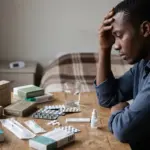
Treatment failure occurs when a treatment does not achieve the intended therapeutic outcome.
Treatment failure can have many possible causes. In an infection, for example, the cause may include drug resistance, an incorrect diagnosis, an inappropriate medicine or dose, inadequate drug absorption, interactions with other medicines, or insufficient exposure to the treatment.
Treatment failure does not automatically mean that a medicine is ineffective. It is important to determine why treatment failed before deciding what should be done next.
QUICK FACT
Treatment failure is an outcome, not an explanation. Finding that treatment has failed does not by itself tell you why it failed.
COMMONLY CONFUSED WITH
Drug resistance: Drug resistance is one possible cause of treatment failure, but treatment can fail for many other reasons.
SEE ALSO
- Drug resistance
- Antimicrobial resistance
- Adherence
- Diagnosis
- Antimicrobial
- Antimalarial