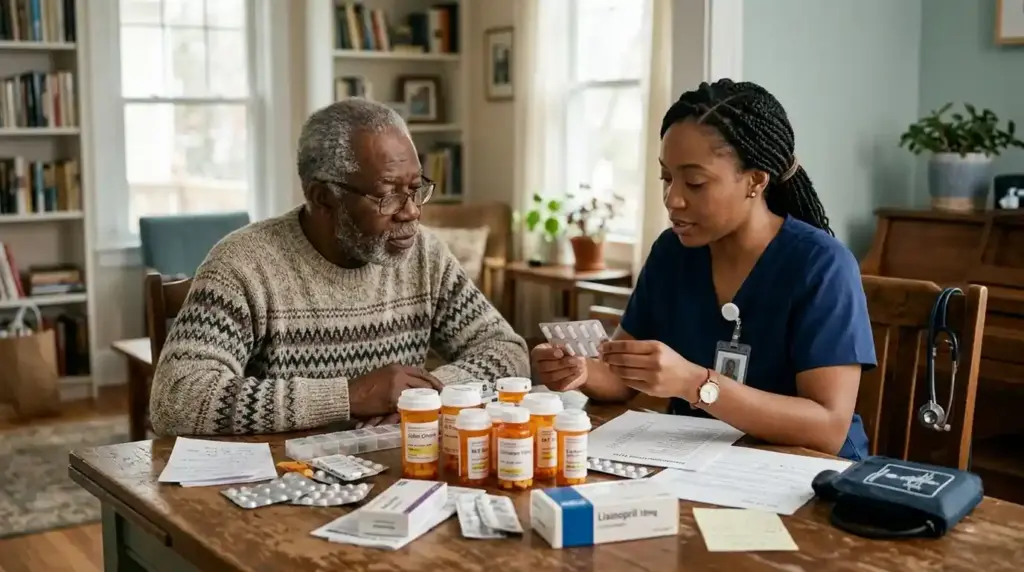
Modern medicine has saved countless lives. Many illnesses that were once deadly can now be controlled with tablets, injections, and long-term treatment plans.
But there is another side to this progress.
Sometimes, people end up taking so many medicines that the medicines themselves begin to create problems.
This is known as polypharmacy.
For many people, especially older adults and individuals living with multiple long-term conditions, polypharmacy has become increasingly common. In some cases, it is necessary and beneficial. In others, it can quietly become dangerous.

What Is Polypharmacy?
Polypharmacy generally refers to the use of multiple medications at the same time.
There is no single number that defines it perfectly, but many healthcare professionals use the term when a person takes five or more medications regularly.
Polypharmacy can include:
- prescription medicines
- over-the-counter drugs
- herbal remedies
- supplements
- traditional medicines
Importantly, polypharmacy is not automatically wrong.
Some people genuinely need several medications to manage conditions such as:
- hypertension
- diabetes
- heart disease
- arthritis
- asthma
The problem begins when medicines accumulate without careful review.
References
- Masnoon N, et al. What is polypharmacy? A systematic review of definitions. BMC Geriatrics. 2017.
- World Health Organization. Medication Safety in Polypharmacy. 2019.

Why Polypharmacy Happens
Polypharmacy often develops gradually.
A person may begin with one medication. Months later, another condition appears. A specialist adds another drug. Side effects develop and are treated with additional medicines.
Over time, the medication list grows.
Several factors increase the risk:
Multiple Chronic Diseases
People living with several illnesses often receive treatments from different clinics or specialists.
Aging
Older adults process medicines differently. The body’s ability to metabolize and eliminate drugs may decline with age.
Poor Coordination of Care
Sometimes healthcare providers are unaware of all the medicines a patient is already taking.
Self-Medication
Over-the-counter painkillers, herbal mixtures, supplements, and antibiotics may be added without professional guidance.
“Prescribing Cascades”
This happens when the side effect of one drug is mistaken for a new disease, leading to yet another prescription.
References
- World Health Organization. Medication Without Harm Global Patient Safety Challenge. 2017.
- Maher RL, et al. Clinical consequences of polypharmacy in elderly. Expert Opinion on Drug Safety. 2014.

Why Polypharmacy Can Become Dangerous
The more medications a person takes, the greater the chance of problems.
These problems may develop slowly and may not immediately appear linked to medicines.
Drug Interactions
Some medicines change how others work.
One drug may:
- increase another drug’s effect
- reduce its effectiveness
- increase toxicity
In severe cases, drug interactions can become life-threatening.
Falls and Injuries
Certain medications can cause:
- dizziness
- confusion
- sleepiness
- low blood pressure
In older adults, this significantly increases the risk of falls and fractures.
Kidney and Liver Stress
The liver and kidneys help process medications.
Large numbers of medicines can place extra strain on these organs, especially in people who already have underlying disease.
Confusion and Memory Problems
Some medications affect concentration, alertness, and memory.
People may begin forgetting doses, doubling medications accidentally, or misunderstanding instructions.
Hospitalization
Medication-related complications are a major cause of avoidable hospital admissions worldwide.
References
- Fried TR, et al. Health Outcomes Associated with Polypharmacy in Community-Dwelling Older Adults. Journal of the American Geriatrics Society.
- Payne RA. The epidemiology of polypharmacy. Clinical Medicine. 2016.
A Hidden Problem: Duplicate Medicines
Sometimes different brands contain the same active ingredient.
For example:
- two cold medicines may both contain paracetamol
- multiple pain medications may belong to the same drug class
A person may unknowingly take dangerous doses without realizing the overlap.
This is one reason medication review is so important.
Polypharmacy Does Not Mean “Stop Everything”
A common misunderstanding is that all multiple-medication use is harmful.
That is not true.
Many people benefit greatly from carefully managed treatment plans involving several medications.
The goal is not to eliminate medicines blindly.
The goal is to ensure that:
- every medicine has a clear purpose
- benefits outweigh risks
- unnecessary drugs are removed
- dangerous combinations are avoided
Good prescribing is not about using the fewest medicines possible. It is about using the right medicines carefully.
References
- National Institute on Aging. Medicines and Older Adults.
- NICE Guideline NG56: Multimorbidity and Polypharmacy.
Warning Signs That Medicines May Need Review
Some signs may suggest medication overload or interaction problems:
- unusual sleepiness
- dizziness
- repeated falls
- confusion
- poor appetite
- worsening fatigue
- sudden memory problems
- frequent hospital visits
- difficulty keeping track of medications
These symptoms should never be ignored.
How To Reduce Polypharmacy Risks
Keep an Updated Medication List
Include:
- prescriptions
- supplements
- herbal products
- over-the-counter medicines
Use One Main Pharmacy When Possible
This makes it easier for interactions to be identified.
Request Medication Reviews
Regular medication review is especially important for:
- older adults
- people with multiple illnesses
- people recently discharged from hospital
Avoid Self-Adding Medicines
Even common medicines can interact with prescriptions.
Ask Questions
Patients should feel comfortable asking:
- Why am I taking this?
- Do I still need it?
- What side effects should I watch for?
- Could this interact with my other medicines?
The Human Side of Polypharmacy
Behind every medication list is a person trying to manage daily life.
Some people become overwhelmed by:
- complicated schedules
- financial costs
- fear of missing doses
- confusion about instructions
Others may hesitate to tell healthcare providers about herbal medicines or self-medication.
Good healthcare communication matters.
People are more likely to use medicines safely when explanations are clear, respectful, and practical.
Final Thoughts
Medicines save lives. But more medicine is not always better medicine.
Polypharmacy is not simply about numbers. It is about balance, coordination, and careful review.
Understanding what you take — and why you take it — is an important part of safer healthcare.
Clear communication between patients, pharmacists, and healthcare professionals can prevent many medication-related harms before they happen.
References
- World Health Organization. Medication Safety in Polypharmacy. Geneva: WHO; 2019.
- Masnoon N, Shakib S, Kalisch-Ellett L, Caughey GE. What is polypharmacy? A systematic review of definitions. BMC Geriatrics. 2017;17(1):230.
- Maher RL, Hanlon J, Hajjar ER. Clinical consequences of polypharmacy in elderly. Expert Opinion on Drug Safety. 2014.
- Payne RA. The epidemiology of polypharmacy. Clinical Medicine. 2016.
- NICE Guideline NG56. Multimorbidity: clinical assessment and management. UK National Institute for Health and Care Excellence.
- National Institute on Aging. Medicines and Older Adults.
- World Health Organization. Medication Without Harm Global Patient Safety Challenge. 2017.
