
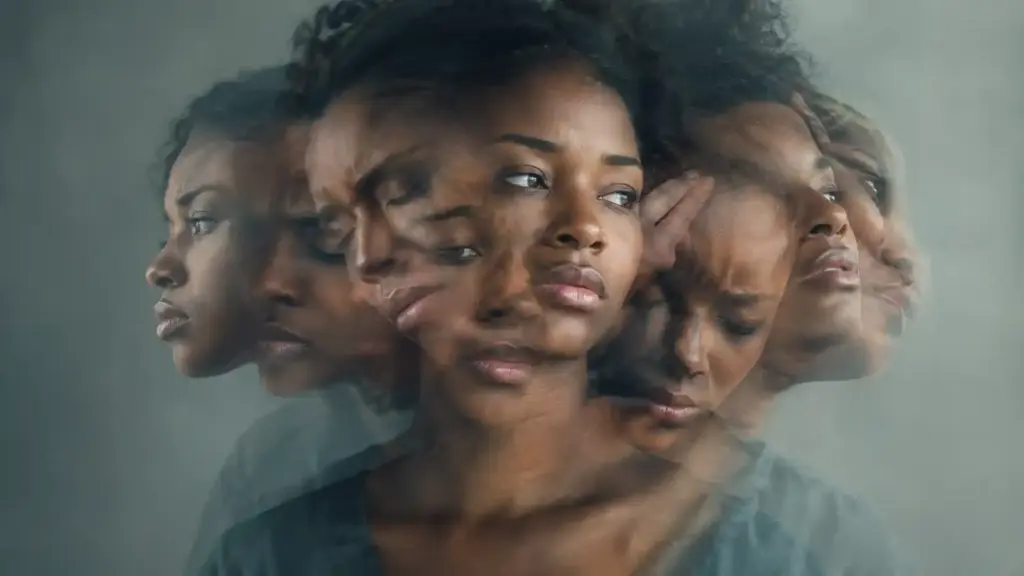
Some days
people arrive at themselves
already tilted.

Shorter temper.
Heavier sadness.
Tenderness that embarrasses them.
Silence that cannot be explained.

They blame the hormone
Small invisible messengers
that move like weather systems.

Quiet floods in the blood,
chemical thunderstorms in the brain.
Turbulent tides beneath the skin.

Present but unseen,
Felt but untouchable

Yet,
They blame the hormone

Blame cortisol
for the sharp reply.

Blame testosterone
for the reckless confidence.

Blame estrogen
for tears gathering too quickly.

Blame dopamine
for the hunger that never feels fed.

Blame the hormone
For the body wanting, aching, breaking, burning.

The shouting?
Hormones.

The sudden distance.
The trembling hands.
The sleepless nights.

Hormones.

As though tiny chemicals
stood in dark corners of the body
plotting against character.

As though molecules
held meetings in the bloodstream
deciding who we become.

And perhaps, sometimes,
they do pull hard at us.

A racing heart before an exam.
The shaking fear before bad news.
The ache of longing.
The exhaustion after grief.
The strange heaviness that arrives without warning.
The sudden irritability before periods.

The body speaks chemically.

It always has.

Hormones can sharpen emotion.
Magnify hunger.
Stretch fear.
Lower patience.
Cloud calmness.

They can turn whispers into echoes.

But there is a dangerous twist:

We hand our choices
to our chemistry
and walk away innocent.

“It's not me,” we say.
“It was my hormones.”

And perhaps biology did knock on the door.

But who opened it?

Hormones may explain
why the fire started.

They do not always explain
why it was fed.

There are people
who feel rage
and still choose gentleness.

People drowning in stress
who still refuse cruelty.

People carrying storms in their bloodstream
who still apologize
when they wound others.

The body influences us.

Yes.

But influence
is not ownership.

A hormone may bend the weather inside a person,
but character decides
whether the storm becomes destruction.

And maybe maturity
is learning the difference.

Learning when to seek help.
Learning when to rest.
Learning when to admit
that something biological is wrong.

But also learning
that accountability
does not disappear
because chemistry exists.

We are not robots of flesh
obeying every chemical command.

We are something more complicated.

A conversation
between biology
and choice.

Between impulse
and restraint.

Between what rises within us
and what we release into the world.

So yes,
sometimes blame the hormone.

But not for everything.

Not for cruelty practiced carefully.
Not for manipulation repeated proudly.
Not for Dishonesty rehearsed into habit.
Not for Violence polished into personality.

At some point
the hormone clock runs out of excuses.

Because character
is what remains
after the chemical wave retreats.

And accountability
begins where explanation ends.

So yes—
understand the body.

Respect the hidden storms.

But do not hand every blame
to molecules
too tiny to defend themselves.
About This Reflection
“Blame the Hormone” explores an uncomfortable question: how much of what we feel and do can we reasonably attribute to biology?
Hormones and other chemical messengers influence the body in profound ways. They participate in stress responses, appetite, sleep, reproduction, energy regulation, mood, and many of the physical sensations that accompany emotion. Yet the presence of a biological influence does not make human behavior automatic, nor does it remove the possibility of choice, reflection, or accountability.
This reflection sits in that space between explanation and excuse. It asks what happens when we understand the biology behind an emotion but use that understanding to surrender responsibility for what follows.
The poem is not an argument against hormones. It is an argument against making them responsible for everything.
The Medical Context
Hormones are chemical messengers produced by organs and tissues throughout the body. They travel through the bloodstream and help regulate processes such as metabolism, growth, reproduction, stress responses, sleep, appetite, and fluid balance. Their effects are real, sometimes powerful, and often interconnected with the nervous system.
That makes the phrase “it’s my hormones” partly understandable, but medically incomplete.
Hormones do not usually produce a single emotion or behavior in isolation. Their effects depend on the hormone involved, its concentration, where it acts, the receptors available to respond to it, and the wider physiological and psychological context. Sleep, pain, illness, medications, stress, nutrition, social circumstances, previous experiences, and individual differences can all influence how a person feels and behaves.
Cortisol, for example, is an important component of the body’s stress response, but it is not simply an “anger hormone.” Testosterone is involved in many functions beyond behavior, and its relationship with aggression, confidence, motivation, and social behavior is considerably more complicated than a simple cause-and-effect relationship. Estrogen and other reproductive hormones can contribute to changes in mood and physical symptoms across the menstrual cycle, but not every emotional change before a period is caused by estrogen alone. Dopamine is involved in reward, motivation, movement, learning, and several other processes; describing it simply as the chemical responsible for wanting or pleasure leaves out much of its biology.
The same caution applies to the broader idea that hormones determine personality or moral behavior. Biology can influence the intensity of an emotion or alter the conditions under which a response occurs. It does not follow that a particular hormone dictates what a person must do.
There are also situations in which significant hormonal or endocrine changes genuinely require medical attention. Disorders involving the thyroid, adrenal glands, reproductive hormones, or other endocrine systems can produce symptoms affecting mood, energy, sleep, appetite, concentration, and physical functioning. Some medications and treatments can also alter hormonal activity. When substantial or persistent changes in mood or behavior occur alongside physical symptoms, medical assessment may be appropriate.
Understanding this distinction matters.
A biological explanation can help us understand why something happened without automatically answering whether the resulting behavior was appropriate. It can provide context without becoming a complete excuse.
Human behavior emerges from many interacting influences: biology, brain function, experience, environment, circumstances, habits, relationships, and conscious decision-making. Hormones are part of that system, not the whole system.
That is the medical tension behind this reflection: biology can influence us without owning us.


No comments yet
Be the first to share your thoughts, clinical perspective, or questions on this topic.