


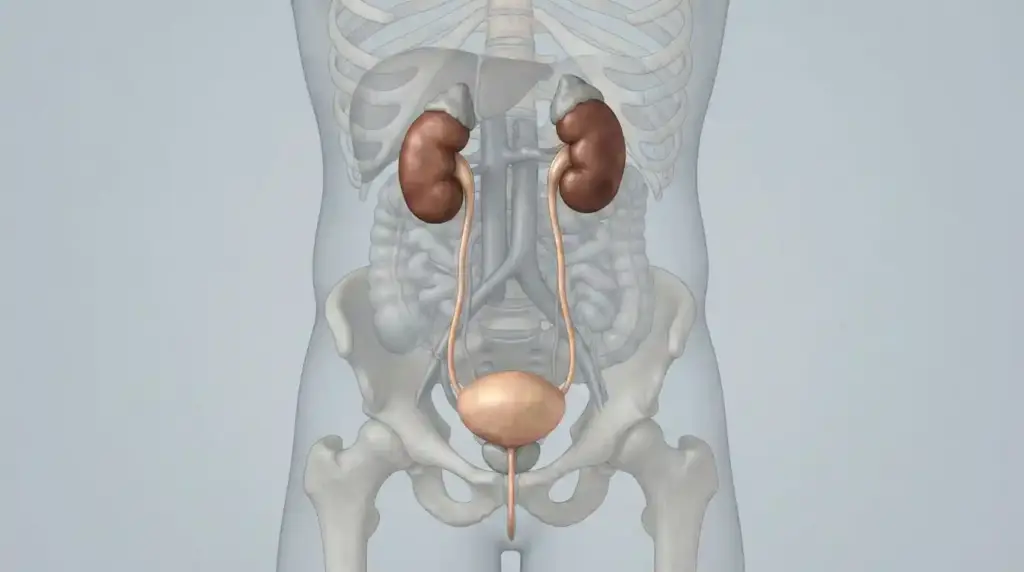
A urinary tract infection (UTI) is an infection affecting any part of the urinary system, including the urethra, bladder, ureters, or kidneys. It usually occurs when bacteria enter the urinary tract through the urethra and multiply within the urinary system.
UTIs most commonly affect the bladder and urethra, although infections involving the kidneys can be more serious.
The urinary tract normally has protective mechanisms that help prevent microorganisms from causing infection. However, bacteria can sometimes enter through the urethra, overcome these defenses, and multiply.
The most common bacterial cause is Escherichia coli (E. coli), which normally lives in the intestinal tract.
UTIs are classified according to the part of the urinary system affected:
Urethritis: Inflammation or infection of the urethra.
Cystitis: Inflammation of the bladder, commonly caused by bacterial infection.
Ureteritis: Inflammation of a ureter; isolated infection of the ureters is uncommon.
Pyelonephritis: Infection involving one or both kidneys.
Common symptoms include burning or pain during urination, frequent urination, urgency, and lower abdominal discomfort. Cloudy or bloody urine may also occur.
A kidney infection may cause fever, chills, pain in the back or side, nausea, and vomiting. It requires prompt medical assessment.
UTIs are not generally classified as sexually transmitted infections. Sexual activity can increase the risk of developing a UTI, but this does not mean the infection itself is an STI.
Diagnosis may involve urine testing, while urine culture can identify the responsible bacteria and help guide antibiotic selection.