


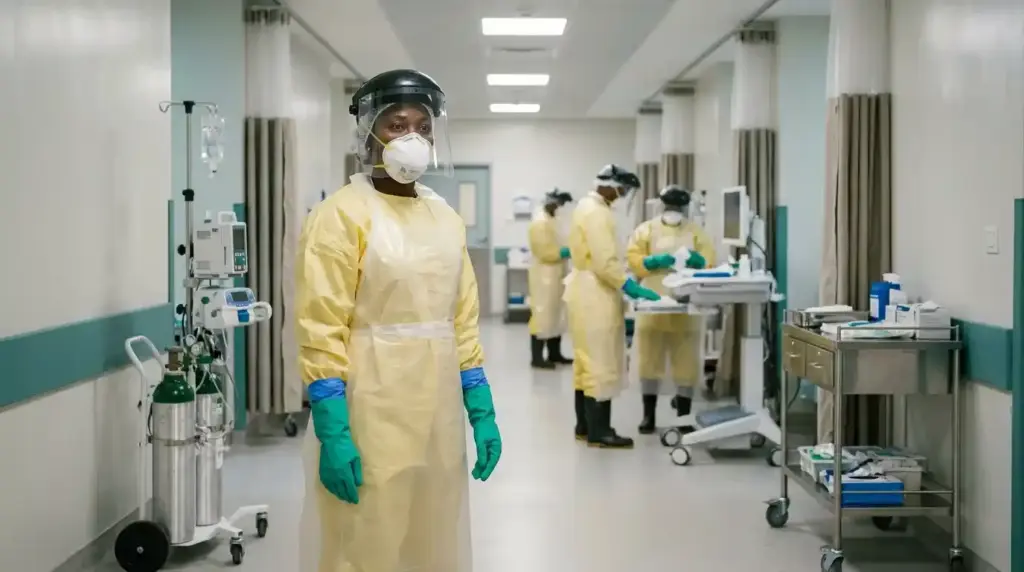
Ebola virus disease (EVD), commonly known as Ebola, is a severe infectious disease that can cause serious illness and death, particularly when diagnosis and treatment are delayed. Although Ebola outbreaks have attracted global attention for decades, important questions remain about how the disease spreads, why outbreaks keep recurring, how different Ebola-causing viruses compare, and what individuals and public-health authorities can do to prevent infection. Understanding Ebola requires more than recognizing its symptoms: it means examining the viruses responsible, their relationship with wildlife and the environment, the lessons learned from previous outbreaks, and the medical and public-health measures that help protect communities.
What Is Ebola Virus Disease?
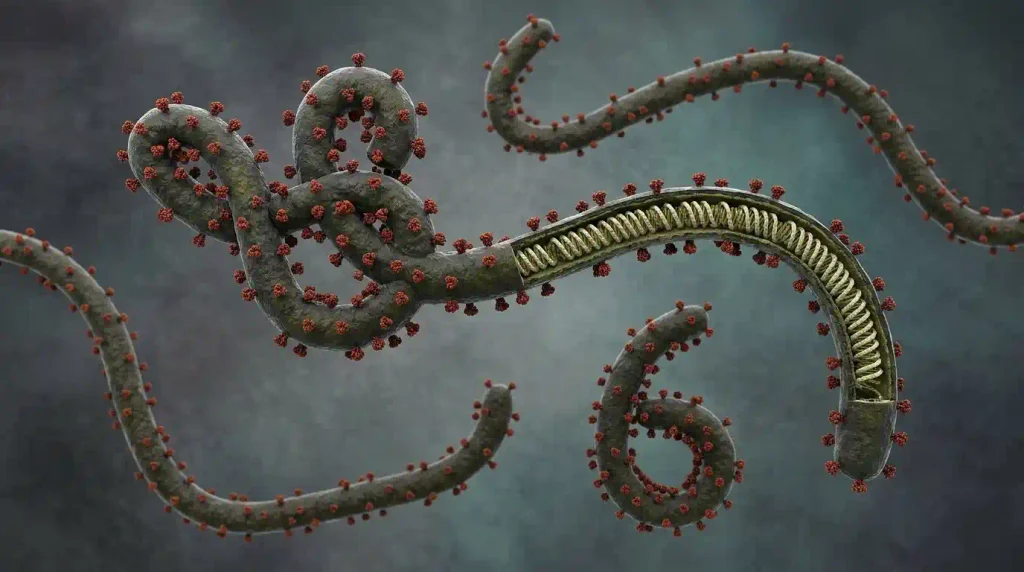
Ebola virus disease is a severe infectious disease caused by certain viruses belonging to the genus Orthoebolavirus, within the family Filoviridae.
The disease is commonly called Ebola, but this familiar name can refer broadly to illnesses caused by several related viruses. Strictly speaking, Ebola virus disease refers to disease caused by Ebola virus, one member of this group.
Ebola is a zoonotic disease, meaning it can pass from animals to humans. After entering the human population, it can spread through direct contact with the blood or other body fluids of an infected person, or through contaminated materials.
The disease can affect multiple organs and systems, causing fever, weakness, gastrointestinal symptoms, dehydration, circulatory problems, and, in severe cases, organ failure.
Ebola was first recognized in 1976 following outbreaks in what are now the Democratic Republic of the Congo (DRC) and South Sudan.
Although the disease is often associated with high fatality rates, outcomes vary considerably. Early diagnosis, appropriate supportive care, and access to effective treatments for the relevant virus can improve survival.
Ebola virus disease is not the same as every disease caused by an Ebola-related virus. Several viruses in the Orthoebolavirus genus can infect humans, but they differ in their known disease-causing potential, outbreak history, and available vaccines and treatments.
Types and Species of Ebola-Causing Viruses
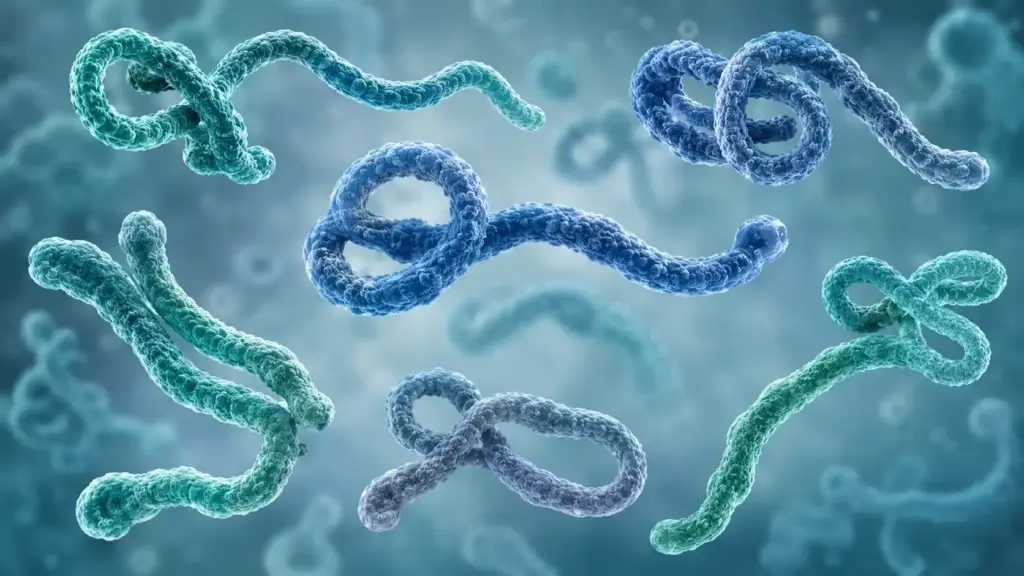
The viruses commonly associated with Ebola belong to the genus Orthoebolavirus. Six recognized species are particularly important when discussing human health, wildlife surveillance, and outbreak preparedness.
| Virus or species | Known significance for human health |
|---|---|
| Ebola virus (EBOV), species Orthoebolavirus zairense | Causes Ebola virus disease and has been responsible for the largest recorded outbreaks. |
| Sudan virus (SUDV), species Orthoebolavirus sudanense | Causes Sudan virus disease and has caused several serious outbreaks. |
| Bundibugyo virus (BDBV), species Orthoebolavirus bundibugyoense | Causes Bundibugyo virus disease and has caused major outbreaks. |
| Taï Forest virus (TAFV), species Orthoebolavirus taiense | Has caused a documented human infection; recognized human disease is exceptionally rare. |
| Reston virus (RESTV), species Orthoebolavirus restonense | Has infected nonhuman primates and pigs. Human infections or immune responses have been reported without established symptomatic Ebola disease. |
| Bombali virus (BOMV), species Orthoebolavirus bombaliense | Detected in bats. Its ability to cause human disease has not been established. |
The names of these viruses and their associated species may appear differently in older literature because Ebola virus taxonomy has changed over time.
Which Ebola-Causing Viruses Are Dangerous to Humans?
Ebola virus, Sudan virus, and Bundibugyo virus are the principal causes of recognized large outbreaks of severe Ebola-related disease in humans.
Taï Forest virus has caused a documented human infection, but very little is known about its potential to cause outbreaks.
Reston virus is important in veterinary and public-health surveillance, but it has not been established as a cause of symptomatic Ebola disease in humans. Bombali virus remains a subject of research because it has been identified in bats, but human pathogenicity has not been demonstrated.
It would therefore be misleading to describe all six viruses as equally dangerous to humans.
Does One Ebola Virus Cause More Severe Disease Than Another?
Ebola virus has historically been associated with particularly high fatality rates. However, it is not scientifically sound to assign every virus a single, fixed fatality rate.
Outcomes depend on several factors:
- The virus responsible.
- The severity of the outbreak and the patients’ clinical conditions.
- How quickly cases are recognized and treated.
- The quality and availability of supportive care.
- Access to effective virus-specific treatments, where available.
- The completeness of case detection and reporting.
A reported case fatality rate is the proportion of reported cases that die. It is not necessarily the same as the risk of death for every infected individual.
Why Does the Virus Species Matter?
Correctly identifying the virus responsible for an outbreak helps public-health authorities determine which countermeasures are appropriate.
For example, the Ervebo vaccine and the monoclonal antibody treatments ansuvimab and REGN-EB3 are used for Ebola virus disease caused by Ebola virus. They should not automatically be assumed to provide protection or treatment against Sudan virus or Bundibugyo virus.
A Brief History of Ebola Outbreaks
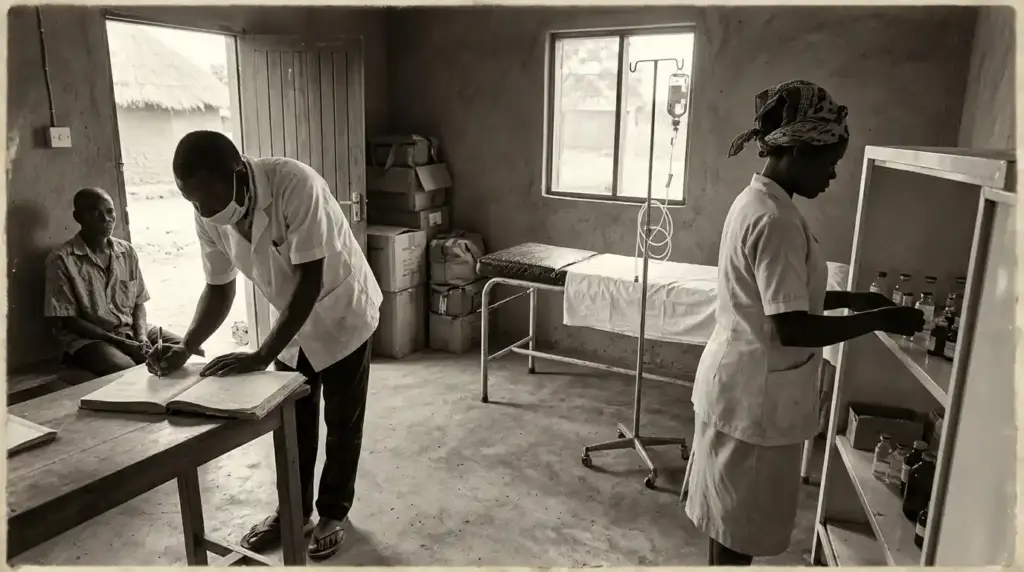
Ebola has caused outbreaks in several African countries since it was first identified in 1976. The history of these outbreaks shows how a rare zoonotic infection can become a major public-health emergency when transmission is not interrupted quickly.
1976: The First Recognized Outbreaks
The first recognized Ebola outbreaks occurred in 1976.
One occurred in Yambuku, in what was then Zaire and is now the Democratic Republic of the Congo. Another occurred in the Nzara area of what is now South Sudan.
The virus was subsequently named after the Ebola River near Yambuku.
These early outbreaks revealed the danger of direct contact with infected body fluids, unsafe injections, and inadequate infection prevention measures.
1995: Kikwit, Democratic Republic of the Congo
A major outbreak in Kikwit highlighted the importance of hospital infection control, protective equipment, rapid case identification, and safe burial practices.
Healthcare workers were among those affected, demonstrating how an outbreak can spread within healthcare settings when appropriate precautions are lacking.
2000–2001: Uganda and Central Africa
Uganda experienced a major Sudan virus outbreak in 2000–2001.
Other outbreaks in central Africa demonstrated that several related viruses could cause serious human disease and that outbreak responses had to account for differences between them.
2014–2016: The West African Epidemic
The 2014–2016 outbreak in Guinea, Liberia, and Sierra Leone was the largest recorded Ebola disease outbreak at the time of reporting.
More than 28,000 cases and over 11,000 deaths were reported in the affected countries, with additional cases in other countries.
The outbreak overwhelmed healthcare facilities, disrupted essential health services, and caused substantial social and economic harm.
It also exposed major weaknesses in disease surveillance, laboratory capacity, emergency coordination, and healthcare infrastructure.
2018–2020: Eastern Democratic Republic of the Congo
The 2018–2020 outbreak in eastern DRC was the second-largest recorded Ebola outbreak at that time.
The response was complicated by insecurity, conflict, community distrust, and difficulty reaching some affected areas.
Vaccination, improved therapeutics, mobile laboratories, contact tracing, and international coordination were important elements of the response.
2021–2022: Further Outbreaks
Further outbreaks occurred in DRC and Guinea, including events linked to new animal-to-human spillover and, in some instances, persistent infection associated with a previous outbreak.
These events reinforced the need for continued surveillance even after an outbreak has been declared over.
What Has Improved Since 2014?
The global response to Ebola has developed substantially.
Improvements include:
- Greater experience with contact tracing and rapid response.
- Wider availability of laboratory testing in outbreak settings.
- Development and use of Ebola vaccines.
- Introduction of effective monoclonal antibody treatments for Ebola virus disease caused by EBOV.
- Better understanding of viral persistence in survivors.
- Stronger international collaboration and outbreak preparedness in many settings.
However, major gaps remain. Conflict, inadequate funding, weak health systems, supply shortages, and mistrust can still prevent communities from receiving timely protection and care.
The 2014–2016 West African epidemic demonstrated that Ebola can spread across borders and overwhelm health systems. Later outbreaks showed that vaccination and virus-specific treatments can improve response capacity, but neither technology replaces surveillance, community trust, infection prevention, and accessible healthcare.
Where Does Ebola Come From? The Wildlife and Ecosystem Connection

Ebola is a zoonotic disease. This means that the virus can pass from animals to humans, sometimes through an event known as zoonotic spillover.
Scientists suspect that certain fruit bats serve as natural hosts of Ebola-causing viruses. However, the full natural reservoir and transmission cycle are not completely understood.
The Role of Fruit Bats
Fruit bats have been implicated in research into the natural ecology of Ebola viruses. Evidence supports their potential role as hosts, but it is not accurate to claim that every fruit bat carries Ebola or that all outbreaks begin with direct contact with bats.
The relationship between wildlife and Ebola is complex, and further research is needed to understand how different viruses persist in nature.
Intermediate or Incidental Hosts
Chimpanzees, gorillas, monkeys, forest antelopes, and other wildlife have been implicated in Ebola transmission or have been found infected during outbreaks.
Some animals may become infected after exposure to the virus in their environment. Humans can then become infected through contact with an infected animal or its blood, tissues, or other body fluids.
Great apes can suffer severe illness and death from Ebola, making the disease an important conservation concern as well as a human-health problem.
How Environmental Changes Can Increase Spillover Risk
Human activities can alter contact between people and wildlife.
Potential contributing factors include:
- Deforestation and habitat fragmentation.
- Expansion of settlements and agriculture into forested areas.
- Hunting and handling of wild animals.
- Increased human activity in wildlife habitats.
- Changes in food availability and animal movement.
- Inadequate systems for detecting unusual animal deaths.
These factors may create opportunities for spillover, but no single environmental change can explain every Ebola outbreak.
The One Health Approach
One Health recognizes that human health, animal health, and environmental health are interconnected.
For Ebola, this means that prevention should not focus only on hospitals and infected people. It should also involve wildlife research, veterinary surveillance, environmental monitoring, community education, and collaboration across sectors.
Preventing future Ebola outbreaks requires understanding how viruses move between wildlife and people. A One Health approach helps identify potential risks before they become major human outbreaks, while avoiding unnecessary harm to wildlife or communities.
How Does Ebola Spread?
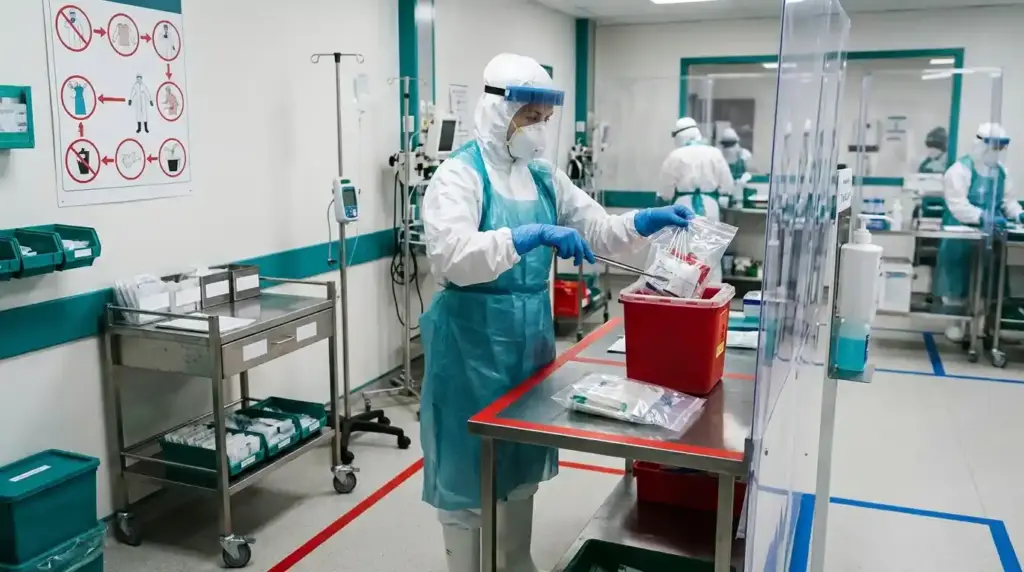
Ebola spreads primarily through direct contact with the blood or other body fluids of a person who has Ebola disease and is showing symptoms, or through contact with the body of someone who has died from the disease.
The virus can enter another person’s body through broken skin or mucous membranes, including those lining the eyes, nose, and mouth.
1. Direct Contact With an Infected Person
Potentially infectious body fluids include blood, vomit, diarrhea, urine, saliva, breast milk, semen, and other body fluids.
The risk of transmission can be especially high when a patient is seriously ill and large amounts of infectious material are present.
2. Contaminated Objects and Surfaces
Clothing, bedding, medical equipment, and other objects can transmit infection if contaminated with infectious body fluids and subsequently handled in a way that allows the virus to enter another person’s body.
3. Contact With an Infected Body After Death
People may become infected when they touch or prepare the body of someone who died from Ebola.
Traditional practices that involve washing, dressing, or touching a body can create exposure risks. Safe and dignified burial procedures are therefore an important part of outbreak control.
4. Contact With Infected Animals
People can become infected through handling, butchering, preparing, or otherwise contacting infected wildlife or its body fluids.
Avoiding contact with sick or dead wild animals is a sensible precaution, particularly in an area experiencing an outbreak.
5. Sexual Transmission
Ebola virus can persist in certain body compartments after recovery. Viable virus has been detected in semen, and sexual transmission from male survivors has been documented.
Survivors should receive appropriate medical advice and follow-up without being stigmatized or excluded from normal social contact.
Does Ebola Spread Through the Air?
Ebola does not ordinarily spread through the air in the same way as measles or influenza.
Simply walking past someone with Ebola, talking to them at a normal conversational distance, or being in the same public space does not ordinarily transmit the disease without exposure to infectious body fluids.
This does not mean that every close interaction is risk-free. Direct contact with infectious body fluids, especially during caregiving, can be dangerous.
Anyone who shares a room or public vehicle with an infected person will catch Ebola.
Ebola is primarily transmitted through direct exposure to infectious body fluids or contaminated materials. Ordinary proximity without such exposure does not ordinarily transmit the disease.
Ebola Symptoms: What Does the Disease Look Like?
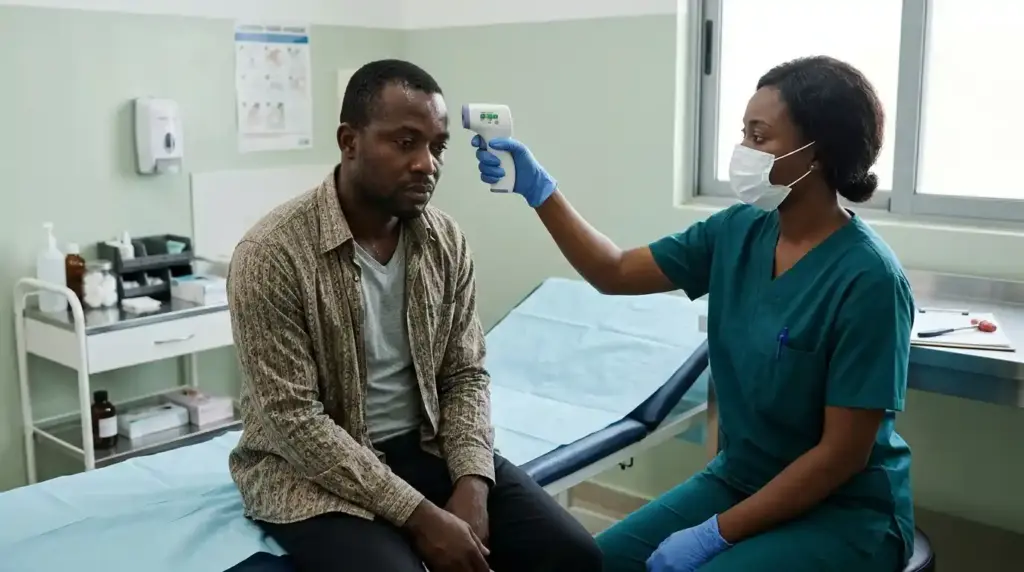
Ebola symptoms usually begin suddenly after an incubation period of 2–21 days.
Early symptoms are nonspecific and can resemble malaria, typhoid fever, influenza, and other infections.
Early Symptoms
Symptoms may include:
- Fever.
- Severe headache.
- Muscle and joint pain.
- Weakness and fatigue.
- Sore throat.
- General body discomfort.
Later Symptoms
As the disease progresses, patients may develop:
- Vomiting.
- Severe diarrhea.
- Abdominal pain.
- Loss of appetite.
- Skin rash.
- Dehydration.
- Liver or kidney dysfunction.
Severe disease may lead to bleeding, shock, neurological complications, or multiple-organ failure.
Is Bleeding Always Present?
No. Although Ebola is classified as a viral hemorrhagic fever, visible bleeding is not present in every case. Gastrointestinal symptoms, dehydration, weakness, and organ dysfunction may be more prominent.
Do not wait for visible bleeding before seeking medical attention. A person with compatible symptoms and a relevant exposure history needs urgent assessment, even if there is no obvious bleeding.
Incubation Period, Infectious Period, and When Ebola Stops Being Contagious
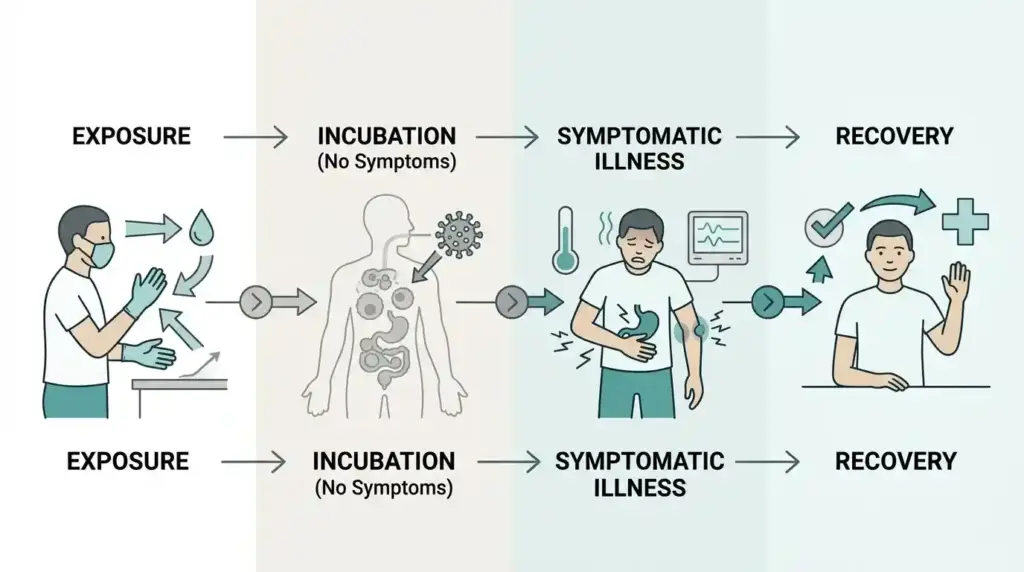
The incubation period is the time between infection and the appearance of symptoms.
For Ebola, this period is 2–21 days.
The infectious period is different: it concerns when an infected person can transmit the virus to someone else.
When Does an Infected Person Become Infectious?
People infected with Ebola are not considered infectious before symptoms begin. Transmission risk arises when the person becomes symptomatic and has infectious virus in body fluids.
The risk can increase as illness progresses and the amount of virus in some body fluids rises.
When Does a Patient Stop Being Contagious?
A patient recovering from acute Ebola is managed according to clinical recovery, appropriate laboratory testing, and public-health guidance.
Discharge from an Ebola treatment unit follows established clinical and public-health criteria. It does not mean that every body compartment is guaranteed to be free of viral material.
Some survivors may continue to carry virus in particular body compartments, such as semen, for a period after recovery.
This is why survivor follow-up and specific counseling are important.
What Is the Difference Between Isolation and Quarantine?
- Isolation separates people who are infected or suspected of being infected from others to reduce transmission.
- Quarantine or exposure monitoring involves managing people who have been exposed but are not known to be infected, according to their level of risk and public-health instructions.
People identified as contacts are generally monitored for 21 days after their last relevant exposure.
Understanding Ebola Virus Disease
Ebola virus disease (EVD) is a severe, often fatal illness caused by viruses in the Orthoebolavirus genus. It can spread through direct contact with the blood or other body fluids of an infected person who is showing symptoms, or with contaminated objects and materials. Early symptoms may resemble those of other infectious diseases, making prompt assessment, laboratory testing, and appropriate infection-control measures essential. Early supportive care improves the chances of survival, while approved vaccines and specific treatments are available for disease caused by Zaire ebolavirus.
Why Is Ebola So Dangerous?
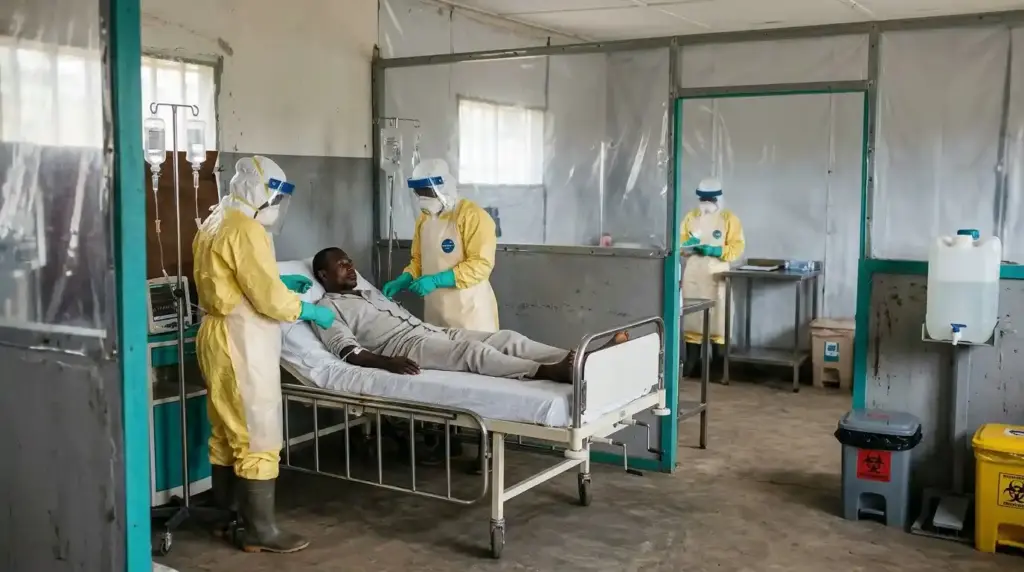
Ebola can become life-threatening because it can cause severe fluid loss, disturb circulation, interfere with immune function, and damage multiple organs.
Important complications include:
- Severe dehydration.
- Electrolyte disturbances.
- Liver and kidney dysfunction.
- Problems with blood clotting.
- Shock.
- Multiple-organ failure.
How Deadly Is Ebola?
The World Health Organization has historically reported an average case fatality rate of approximately 50% for Ebola disease, with reported rates varying widely between outbreaks.
Rates of around 25% to 90% have been reported across different outbreaks and circumstances.
These figures are not fixed biological constants for each virus. They are affected by the virus responsible, clinical severity, quality of care, access to treatment, and how completely cases are detected and reported.
For example, a low reported fatality rate may reflect improved care, but it may also reflect differences in the types of cases identified or the timing of reporting.
Case Fatality Rates by Virus and Outbreak
The Ebola virus has caused outbreaks with widely varying case fatality rates. Sudan virus and Bundibugyo virus have also caused severe outbreaks.
It is misleading to assign one fixed fatality rate to each virus without considering the outbreak and the circumstances in which patients received care.
The 2014–2016 West African outbreak, for example, had a reported case fatality rate of roughly 40% among reported cases. Some smaller outbreaks have reported higher proportions of deaths.
Case fatality rates describe populations, not an individual’s inevitable outcome. They should be interpreted alongside access to supportive care, specific treatments, and the completeness of surveillance data.
Ebola vs. Other Viral Hemorrhagic Fevers
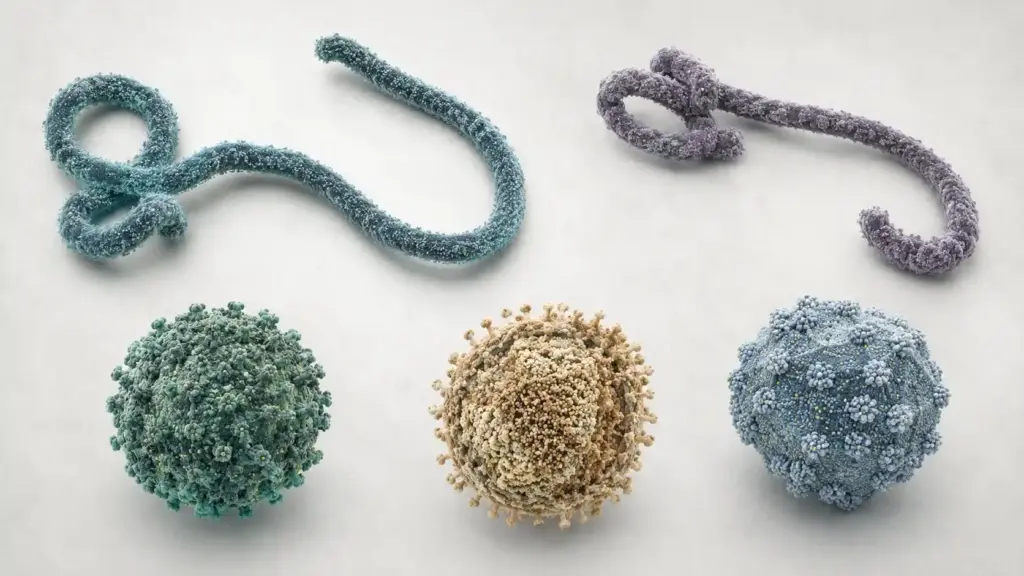
Ebola is one of several viral diseases that can cause severe illness, bleeding, or shock. These illnesses are often grouped under the term viral hemorrhagic fevers (VHFs).
They are not interchangeable diseases. They differ in their causative viruses, animal reservoirs, transmission routes, geographical distribution, vaccines, and treatment options.
| Disease | Causative virus or group | Typical transmission pattern |
|---|---|---|
| Ebola virus disease | Ebola virus | Infected wildlife or direct contact with infected human body fluids |
| Marburg virus disease | Marburg virus or Ravn virus | Wildlife exposure, followed by direct contact with infected body fluids |
| Lassa fever | Lassa virus | Exposure to infected rodents or their excreta; person-to-person transmission can also occur |
| Crimean-Congo hemorrhagic fever | Crimean-Congo hemorrhagic fever virus | Primarily tick bites or contact with infected livestock blood and tissues; human-to-human transmission can occur |
| Rift Valley fever | Rift Valley fever virus | Primarily infected livestock, mosquito bites, and exposure to infected animal tissues or blood |
Ebola and Marburg Disease
Ebola and Marburg diseases are caused by different viruses within the Filoviridae family. They share some symptoms and transmission characteristics, but they are separate diseases.
Ebola and Lassa Fever
Lassa fever is associated with infected rodents, particularly the multimammate rat, and can spread through contact with contaminated food or household materials. Person-to-person transmission can occur, especially in healthcare settings.
Ebola and Crimean-Congo Hemorrhagic Fever
Crimean-Congo hemorrhagic fever is commonly associated with ticks and infected livestock. People may become infected through tick bites or contact with infected animal blood and tissues.
Ebola and Rift Valley Fever
Rift Valley fever is a mosquito-borne and animal-associated disease that can cause illness in people and livestock. Its epidemiology differs substantially from Ebola.
Fever and bleeding do not identify a specific viral disease. Diagnosis requires consideration of symptoms, exposure history, local epidemiology, and appropriate laboratory testing.
How Is Ebola Diagnosed?
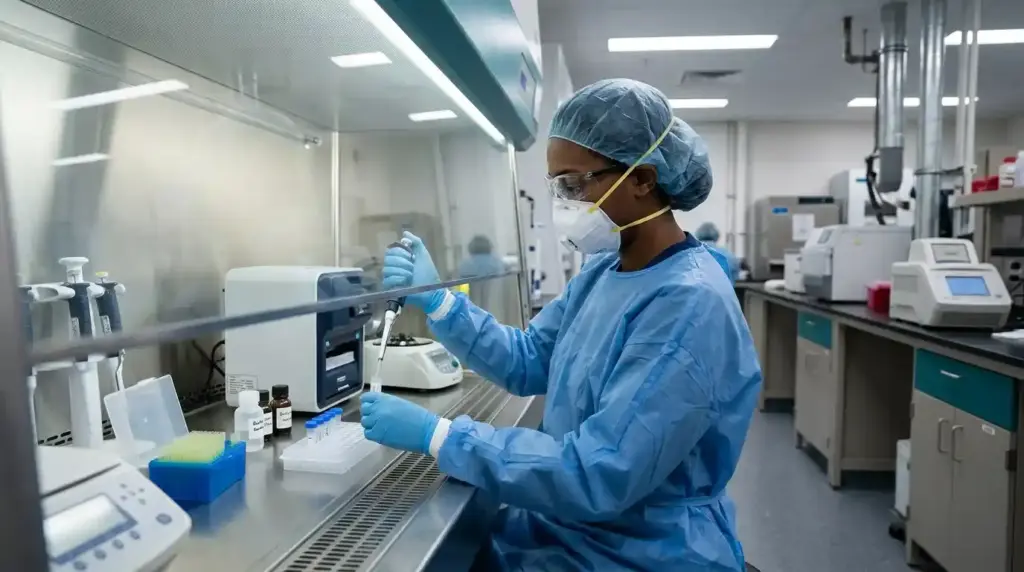
Ebola cannot be reliably diagnosed from symptoms alone.
Its early symptoms overlap with malaria, typhoid fever, meningitis, dengue, Lassa fever, and other infections.
Laboratory Testing
Diagnostic methods may include:
- Reverse transcription polymerase chain reaction (RT-PCR): Detects viral genetic material and is a major method for confirming acute infection.
- Antigen detection tests: Identify viral proteins in appropriate clinical specimens.
- Antibody tests: Detect the immune response to infection and may be useful in selected circumstances.
The appropriate test depends on the stage of illness and the clinical situation.
Why Safe Sample Handling Matters
Samples from suspected Ebola patients may be highly infectious. Collection, transport, and testing must be carried out by trained personnel using approved biosafety procedures.
A person with fever does not automatically have Ebola. However, when the symptoms and exposure history raise concern, prompt assessment and appropriate testing are essential. Routine treatment for other common infections should not delay a necessary Ebola evaluation.
Ebola Treatment: Is There a Cure?
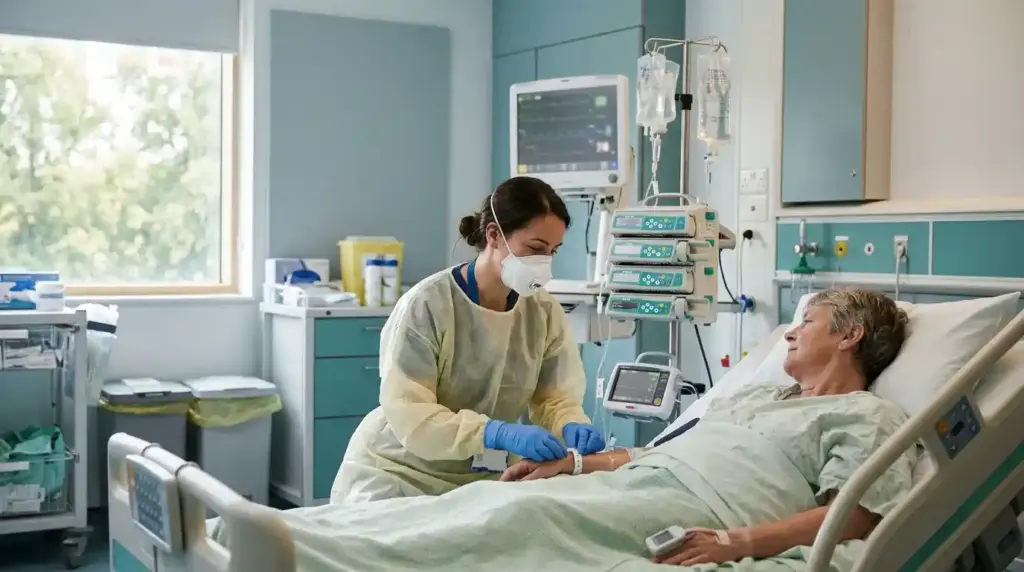
Treatment depends partly on the virus responsible.
There is no single treatment that has been established as effective against every virus in the Orthoebolavirus genus. However, effective treatments are available for Ebola virus disease caused by EBOV.
1. Supportive Care
Supportive care is essential and may include:
- Oral or intravenous fluid replacement.
- Correction of electrolyte disturbances.
- Management of blood pressure and circulation.
- Nutritional support.
- Treatment of pain and fever.
- Management of secondary infections and coexisting illnesses.
- Oxygen and other organ support when needed.
Prompt supportive care can help prevent complications and improve survival.
2. Monoclonal Antibody Treatments
For Ebola virus disease caused by EBOV, recommended monoclonal antibody treatments include:
- Ansuvimab (mAb114): A monoclonal antibody that targets the Ebola virus glycoprotein.
- REGN-EB3 (Inmazeb): A combination of three monoclonal antibodies that target the virus.
These treatments have improved outcomes when used with appropriate supportive care.
They should not automatically be considered effective against Sudan virus or Bundibugyo virus.
Can Ebola Be Treated at Home?
No. Suspected or confirmed Ebola disease requires urgent assessment and care in an appropriately designated healthcare facility.
Home management is unsafe because patients may deteriorate rapidly, require intravenous fluids or organ support, and expose family members to infectious body fluids.
If Ebola is suspected, contact the appropriate healthcare or public-health authority immediately. Do not attempt to manage the illness with home remedies or unapproved medicines.
Is There a Vaccine Against Ebola?
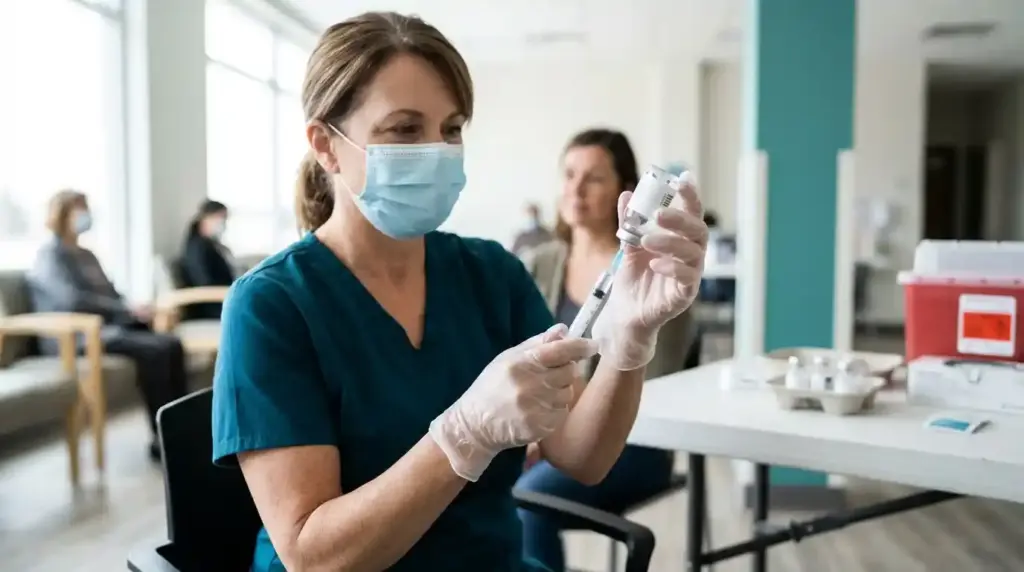
Yes, but vaccine protection depends on the virus responsible.
The Ervebo vaccine is licensed and WHO-prequalified for the prevention of Ebola virus disease caused by EBOV.
What Is Ring Vaccination?
Ring vaccination involves identifying people who have been in contact with a confirmed case and vaccinating eligible contacts and contacts of contacts.
This approach helps create a protective ring around infected individuals and interrupt transmission.
Are There Vaccines for Sudan Virus and Bundibugyo Virus?
There are no licensed vaccines specifically approved for Sudan virus disease or Bundibugyo virus disease.
Vaccine candidates are being investigated, and research continues to improve protection against different Ebola-causing viruses.
Recommendations may change as new evidence becomes available. Public-health authorities must select vaccines appropriate to the virus responsible and the circumstances of the outbreak.
A vaccine developed for one Ebola-causing virus should not automatically be assumed to protect against all others. Vaccine effectiveness and authorization must be considered for the specific virus.
How Can Ebola Be Prevented?
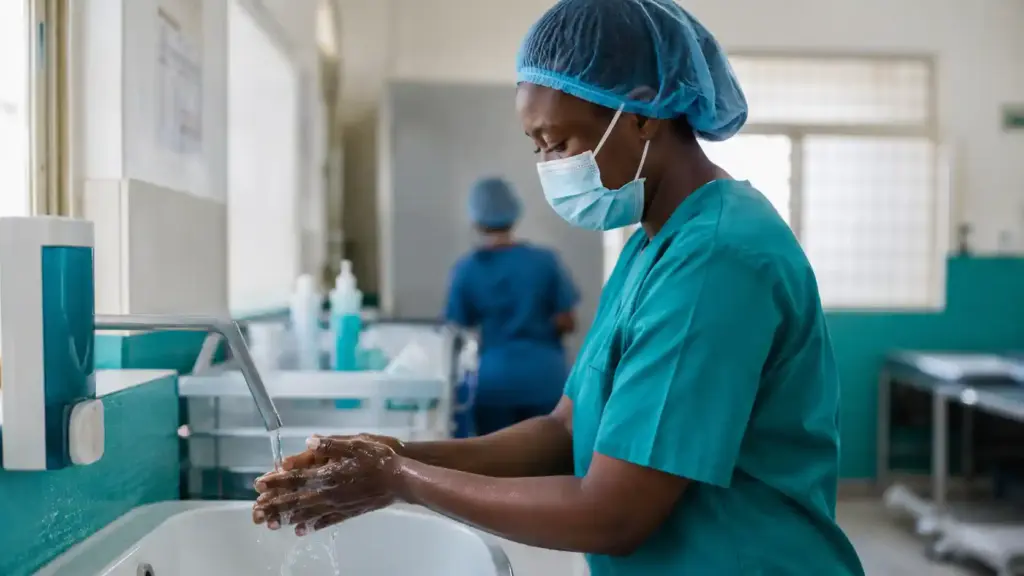
Preventing Ebola requires coordinated action at individual, community, healthcare, and national levels.
Avoid Exposure to Potentially Infected Wildlife
- Avoid handling sick or dead wild animals.
- Do not butcher or prepare animals found dead or behaving abnormally.
- Follow local public-health advice concerning wildlife exposure in affected areas.
- Avoid unnecessary contact with bats and other potentially infected wildlife.
Avoid Contact With Infectious Body Fluids
Do not touch the blood, vomit, diarrhea, or other body fluids of a person suspected of having Ebola.
Avoid handling potentially contaminated clothing, bedding, or medical equipment without appropriate training and protection.
Seek Medical Attention Early
Anyone who develops compatible symptoms after a possible exposure should contact the appropriate healthcare or public-health authority immediately.
Follow Safe Burial Procedures
Families should not wash, dress, prepare, or otherwise handle the body of someone suspected or confirmed to have died from Ebola.
Trained teams should carry out safe and dignified burial procedures in collaboration with families and communities.
Strengthen Infection Prevention in Healthcare Settings
Healthcare facilities need:
- Appropriate personal protective equipment (PPE).
- Hand hygiene facilities and supplies.
- Safe injection practices.
- Isolation arrangements.
- Environmental cleaning and disinfection.
- Safe waste disposal.
- Training and supervision.
- Occupational exposure reporting and follow-up.
Support Community Awareness
Community leaders, healthcare workers, religious organizations, schools, and local authorities can help provide reliable information, counter misinformation, and encourage early reporting of symptoms.
If you live in or travel to an area affected by Ebola, follow local public-health advice, avoid exposure to infectious body fluids, and report compatible symptoms after a relevant exposure immediately.
What Should You Do After a Possible Ebola Exposure?
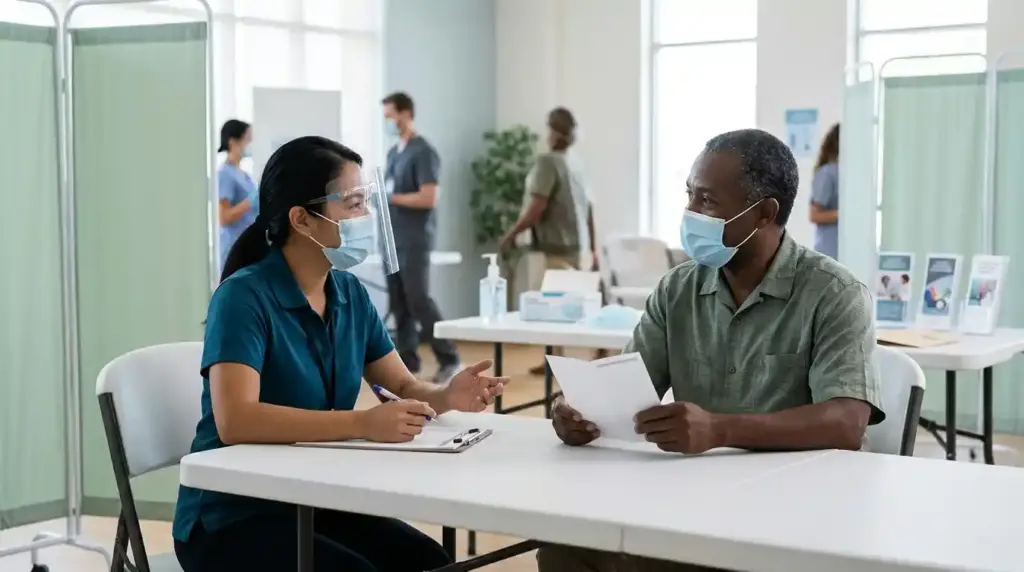
A possible exposure does not mean that infection has occurred. However, it requires appropriate assessment.
If you have had direct contact with the blood or other body fluids of someone with suspected or confirmed Ebola, or have handled an infected person’s body or contaminated materials:
- Contact the appropriate health or public-health authority immediately.
- Explain the exposure and follow instructions about monitoring and movement.
- Avoid exposing other people while awaiting professional guidance.
- Do not attempt to treat yourself with unapproved remedies.
- Report any compatible symptoms immediately.
- Follow instructions about travel and contact tracing.
People who have been exposed may need monitoring for 21 days after their last relevant exposure.
If symptoms develop, contact the appropriate healthcare facility or public-health authority before travelling there, so that arrangements can be made to assess you safely.
Suspected Ebola exposure accompanied by compatible symptoms requires urgent medical assessment. Do not wait for bleeding or severe deterioration before seeking help.
Why Does Ebola Keep Recurring?
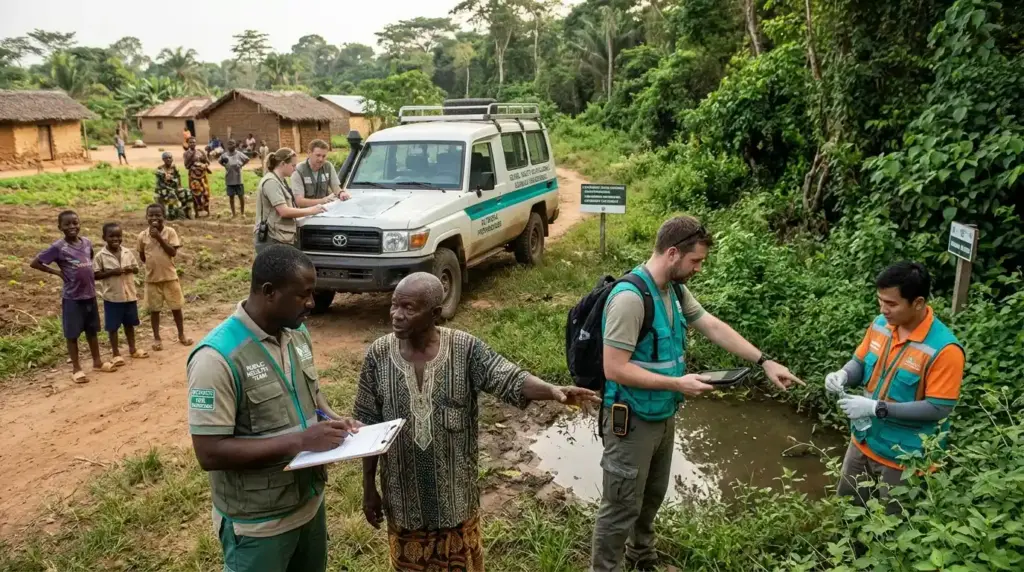
Ebola outbreaks continue to occur because controlling transmission in one outbreak does not eliminate every possible source of future infection.
Several mechanisms can lead to renewed outbreaks.
1. Repeated Animal-to-Human Spillover
Ebola-causing viruses are believed to persist in wildlife populations. A new spillover event can introduce the virus into a human population even after a previous outbreak has ended.
2. Viral Persistence in Survivors
In some survivors, Ebola virus can persist in body compartments that are relatively protected from the immune system.
Transmission associated with persistent virus has been documented, including sexual transmission from male survivors.
3. Delayed Diagnosis and Weak Surveillance
Early Ebola symptoms resemble other common infections. Delayed recognition can allow more people to be exposed before a case is confirmed.
4. Healthcare-Associated Transmission
Inadequate protective equipment, limited training, and weak infection prevention systems can allow transmission in healthcare facilities.
5. Unsafe Burial Practices
Direct contact with the body of someone who died from Ebola can expose mourners to infectious body fluids.
6. Conflict and Community Distrust
Insecurity, displacement, limited healthcare access, and mistrust can make contact tracing, vaccination, and outbreak response difficult.
7. Population Movement
Movement between communities and across borders can complicate outbreak control when an infection has not been detected promptly.
The Bigger Picture
Not every new outbreak is a continuation of an earlier outbreak. Some begin through a new animal-to-human spillover event; others arise from human transmission that has not been fully interrupted. Rarely, persistent virus in a survivor may contribute to renewed transmission.
An outbreak can be declared over without eliminating the virus from wildlife or ruling out every possibility of viral persistence in survivors. Continued surveillance and survivor support remain important after emergency response activities end.
Current Global Situation and Ebola Surveillance

Ebola risk changes over time. A country or region that has experienced previous outbreaks may have no active cases today, while a new outbreak can emerge elsewhere.
The main purpose of disease surveillance is to detect suspected cases, confirm them rapidly, identify contacts, and prevent further transmission.
Where Can Ebola Re-emerge?
Historically, most major Ebola outbreaks have occurred in parts of western and central Africa. However, the location of the next outbreak cannot be predicted with certainty.
Areas with potential spillover risk include places where people may come into contact with infected wildlife, particularly where surveillance and access to healthcare are limited.
The risk of a large outbreak also depends on how quickly cases are recognized, whether infection prevention measures are available, and how effectively public-health teams can investigate and contain transmission.
Previous outbreak locations are important for preparedness, but they should not be treated as a permanent map of where Ebola will occur.
How Is Ebola Monitored Internationally?
Surveillance and outbreak response involve national ministries of health, public-health institutes, WHO, regional public-health organizations, laboratories, and local healthcare facilities.
Key activities include:
- Reporting unusual illnesses and suspected cases.
- Laboratory confirmation.
- Contact identification and monitoring.
- Investigation of possible sources of infection.
- Sequencing of viral samples when available.
- Monitoring healthcare-associated transmission.
- Coordinating vaccination and treatment when appropriate.
- Sharing information across borders.
Current Outbreak Information
Last reviewed: November 4, 2026.
As of November 1, 2026, the US Centers for Disease Control and Prevention (CDC) reported 10,563 confirmed cases and 5,130 confirmed deaths associated with the ongoing outbreak of Bundibugyo virus disease (BVD). The outbreak began in the Democratic Republic of the Congo (DRC) in May 2026 and has been reported in five countries: the DRC, Uganda, France, Kenya, and Nigeria.
The DRC remains the center of the outbreak, with sustained transmission and the majority of reported cases and deaths. Imported cases and subsequent linked infections have also been reported in other countries. Uganda and France have reported no active cases according to the CDC’s November 3 update. Kenya has reported nine confirmed cases and two deaths, while Nigeria has reported one confirmed imported case.
The situation remains under active surveillance, and case counts, affected areas, and public-health recommendations may change as investigations continue.
For the latest information, consult the World Health Organization’s outbreak updates, the CDC Ebola outbreak situation summary, and relevant national public-health authorities. Travelers should also check the current travel advice issued by their destination country and national authorities before departure.
Current Ebola Outbreak
The outbreak information presented in this section is based on dated situation reports and surveillance updates from the World Health Organization (WHO) and the US Centers for Disease Control and Prevention (CDC). Reported case counts, deaths, affected locations, and outbreak status reflect the reporting dates of those sources and may change as new information becomes available.
Practical Guidance for Travelers and Expatriates

Most travelers are not at high risk of Ebola simply because they visit a country that has experienced an outbreak. Risk depends on the current location of transmission, the nature of activities, and whether the traveler has contact with infected people, animals, or body fluids.
Assess Risk Before Travel
Before travelling to an area with an active outbreak:
- Check current travel advisories and public-health guidance issued by your destination country and other relevant official authorities.
- Identify whether the destination or planned activities overlap with affected areas.
- Review local healthcare access and emergency contact information.
- Understand how to obtain medical assessment if symptoms develop.
- Follow instructions from public-health authorities concerning exposure and movement.
Activities That May Increase Exposure Risk
Risk may be higher for people who:
- Provide direct care to suspected or confirmed patients.
- Work in healthcare facilities without adequate infection prevention measures.
- Handle potentially infected wildlife.
- Participate in unsafe burial practices.
- Have direct contact with infectious body fluids.
Routine tourism or ordinary business travel does not automatically create these exposures.
What Should Travelers Prepare?
Travelers going to affected areas should consider:
- Travel and health insurance appropriate to their destination.
- Contact details for local healthcare services and public-health authorities.
- Reliable sources of outbreak updates, including the WHO, the CDC where relevant, and the public-health authorities of your destination country.
- A plan for seeking medical assessment if symptoms develop.
- Any personal protective equipment required for their professional duties, with appropriate training in its use.
Personal protective equipment is not a substitute for training, proper infection prevention systems, or following public-health instructions.
What If You Develop Symptoms Abroad?
If you develop compatible symptoms after a possible exposure:
- Contact local public-health authorities or a designated healthcare facility immediately.
- Tell them about your travel history and possible exposure.
- Avoid unnecessary contact with other people.
- Follow instructions for safe transport and assessment.
- Do not travel onward or board a commercial flight without appropriate medical and public-health guidance.
Travel advice should be based on the current outbreak and the activities planned, not fear or assumptions about an entire country or continent.
Ebola Travel Guidance
Travel guidance during an Ebola outbreak should be based on the location and extent of transmission, the traveler’s activities, and the nature of any potential exposure. The World Health Organization (WHO) provides international public-health guidance, while the US Centers for Disease Control and Prevention (CDC) publishes destination-specific travel notices and additional guidance for people entering or returning to the United States from affected areas. These US-specific screening, monitoring, and entry recommendations should not be interpreted as universal requirements for travelers to other countries.
Travelers should consult current official advisories issued by their destination country and relevant national public-health authorities before departure. Recommendations may change as outbreak investigations and risk assessments evolve.
Ebola Survivors: Long-Term Health Effects and Viral Persistence
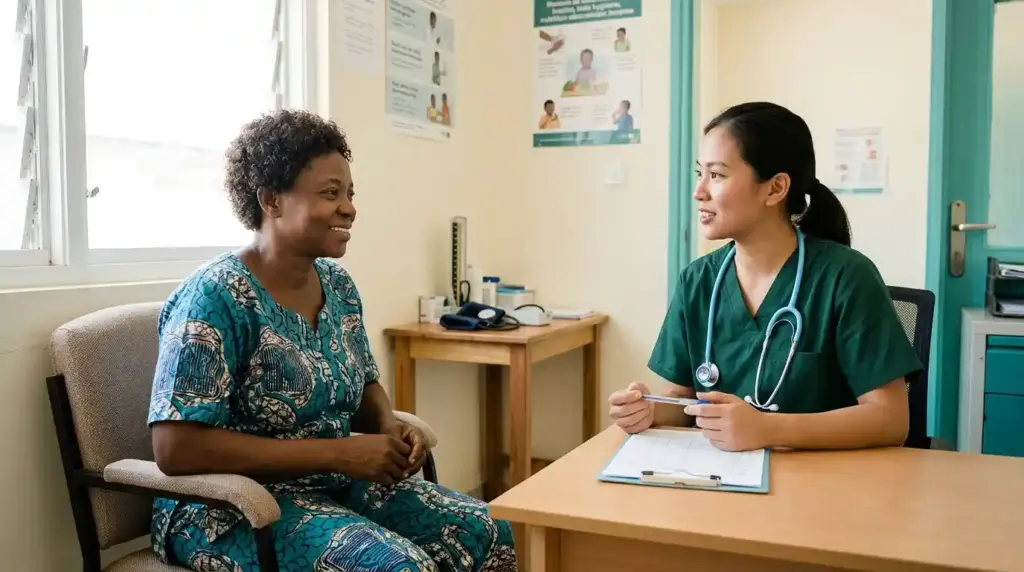
Surviving Ebola is not necessarily the end of the medical and social challenges associated with the disease.
Some survivors experience persistent physical symptoms, psychological distress, or difficulties returning to everyday life.
Post-Ebola Syndrome
Symptoms reported after recovery may include:
- Persistent fatigue.
- Joint and muscle pain.
- Headaches.
- Eye pain or vision problems.
- Hearing difficulties.
- Memory and concentration difficulties.
- Sleep problems.
- Anxiety, depression, or post-traumatic stress symptoms.
Not every survivor experiences these problems, and their duration and severity vary.
Some complications may require specialist assessment, rehabilitation, or long-term follow-up.
Where Can the Virus Persist?
In some survivors, Ebola virus can persist in certain body compartments, including:
- The testes and semen.
- The eyes.
- The central nervous system.
- Pregnancy-related tissues, including the placenta and other tissues associated with pregnancy.
These compartments can be relatively protected from some aspects of the body’s immune response.
Viral persistence is not the same as ongoing infectiousness through ordinary social contact. Detecting viral genetic material also does not necessarily mean that viable, infectious virus is present.
Sexual Transmission and Future Pregnancies
Sexual transmission from male survivors has been documented. Survivors should receive appropriate counseling and follow-up according to current public-health guidance.
Ebola infection during pregnancy can have serious consequences for the pregnant person and fetus. Pregnancy-related tissues may also present particular challenges for viral persistence and clinical management.
Pregnancy after recovery requires individualized medical advice rather than assumptions that every survivor or future pregnancy presents the same level of risk.
Psychosocial Support and Stigma
Survivors may face rejection, discrimination, or fear from family members, employers, and communities.
Patients, family members, and healthcare workers may also experience grief, anxiety, exhaustion, and other psychological effects.
Support should include:
- Respectful follow-up care.
- Rehabilitation and symptom management.
- Mental-health support where needed.
- Confidential counseling.
- Community education to counter stigma.
- Support for returning to family, work, and social life.
Ebola survivors deserve dignity, confidentiality, and appropriate healthcare. They should not be treated as automatically infectious or excluded from normal community life.
Ethical, Social, and Community Challenges During Ebola Outbreaks

Ebola response involves more than medical treatment and laboratory testing. It also requires trust, communication, respect for human rights, and cooperation with affected communities.
Stigma and Discrimination
People who survive Ebola, live in affected communities, or work in outbreak response may face unfair treatment.
Stigma can discourage people from seeking medical care, disclosing exposures, or cooperating with public-health teams.
Rumors and Misinformation
False claims about transmission, vaccines, or treatment can undermine response efforts.
For example, claims that Ebola spreads through ordinary proximity or that all survivors remain infectious can generate fear without improving safety.
Clear, consistent communication from trusted sources helps counter misinformation.
Cultural Practices and Safe Burials
Burial customs are often deeply connected to family, religion, and community identity.
Public-health teams should explain the risks of direct contact with an infected body while working with families to ensure that burial procedures remain safe and dignified.
Balancing Public Health and Human Rights
Isolation, contact monitoring, and travel restrictions may sometimes be necessary. Such measures should be proportionate to the risk, based on evidence, communicated clearly, and implemented with respect for affected individuals.
Trust is a practical public-health resource. Communities are more likely to cooperate when health authorities communicate honestly, listen to concerns, protect confidentiality, and treat people with dignity.
Research Frontiers and Future Ebola Countermeasures
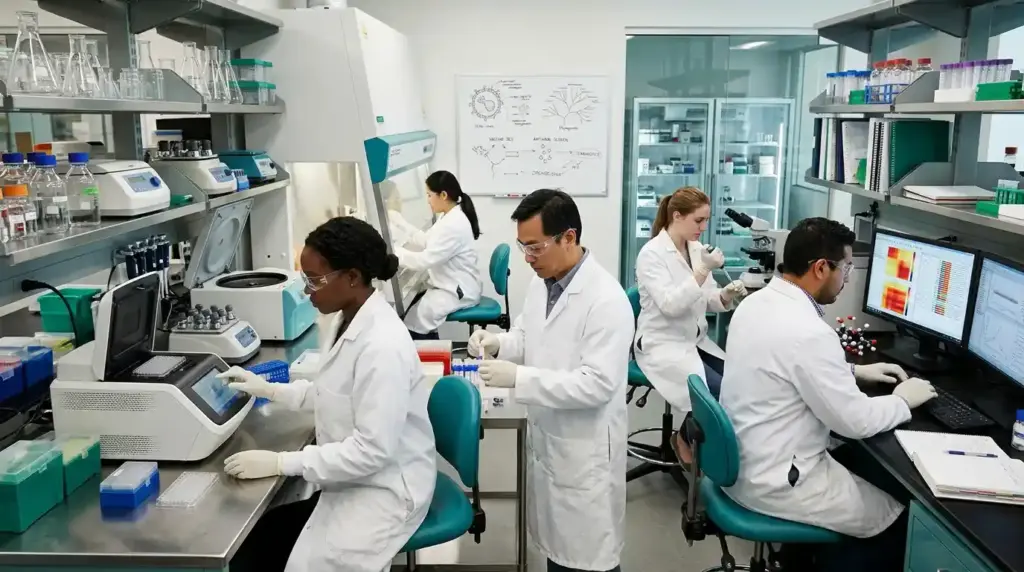
Despite important advances, significant gaps remain in the prevention and treatment of Ebola-related diseases.
Next-Generation Vaccines
Research is exploring vaccines that could protect against multiple Ebola-causing viruses rather than a single virus.
Other priorities include durability of protection, ease of deployment, manufacturing capacity, and storage requirements suitable for difficult-to-reach settings.
Multivalent vaccines could be especially valuable if they eventually provide safe and effective protection against several relevant viruses. However, these approaches require clinical testing and regulatory assessment before they can be recommended for routine use.
Antiviral Treatments
Researchers are investigating treatments beyond existing monoclonal antibodies.
A major goal is to develop effective therapies against viruses for which approved specific treatments are not currently available.
Rapid and Accessible Diagnostics
Rapid diagnostic methods could help identify cases earlier, particularly in areas where access to advanced laboratories is limited.
Any new test must demonstrate adequate accuracy and be usable within appropriate biosafety systems.
Better Understanding of Viral Persistence
Research into why Ebola can persist in certain body compartments may improve survivor care and help prevent rare transmission events after an outbreak.
Lessons for Pandemic Preparedness
Ebola has demonstrated the value of:
- Strong disease surveillance.
- Reliable laboratory systems.
- Rapid outbreak investigation.
- Trusted public-health communication.
- Effective infection prevention.
- Equitable access to vaccines and treatments.
- International cooperation.
- Research that continues between outbreaks.
A successful outbreak response requires more than a vaccine or a treatment. Preparedness depends on the combined strength of surveillance, clinical care, infection prevention, community engagement, logistics, and scientific research.
Ebola Myths vs. Facts

Misinformation about Ebola can create unnecessary fear, encourage stigma, and interfere with outbreak prevention and control. Understanding how the virus spreads, who is at risk, and what modern medicine can offer helps people respond more safely and responsibly.
Mosquitoes transmit Ebola.
There is no evidence that mosquitoes transmit Ebola virus to humans. Ebola spreads primarily through direct contact with the blood or other body fluids of an infected person who is showing symptoms, or through contact with contaminated objects and materials.
Ebola spreads through the air like the flu.
Ebola is not transmitted through ordinary airborne spread in the way that influenza or measles is. Its primary route of transmission is direct contact with infected body fluids or contaminated materials. Appropriate infection-prevention measures are essential when caring for someone with suspected or confirmed Ebola.
Every person who comes near an Ebola patient will become infected.
Simply being near someone with Ebola does not mean a person will become infected. Transmission generally requires exposure to infectious body fluids, contaminated materials, or other infectious sources. The risk depends on the nature and extent of the exposure. Healthcare workers and caregivers may face increased risk when appropriate protective measures are not used.
A person with Ebola can transmit the virus before developing symptoms.
People infected with Ebola are generally not considered contagious before symptoms begin. They become capable of transmitting the virus when symptoms develop, and infectiousness can increase as the illness progresses. This is one reason exposed contacts are monitored for 21 days after their last known exposure.
Every Ebola patient develops bleeding.
Bleeding can occur in Ebola virus disease, particularly in severe cases, but it is not present in every patient. Common early symptoms include fever, fatigue, headache, muscle pain, and sore throat. Other symptoms may include vomiting, diarrhea, rash, and impaired organ function. The absence of bleeding does not rule out Ebola.
Anyone who contracts Ebola will die.
Ebola can be fatal, but survival is possible. The risk of death varies according to the virus species, outbreak circumstances, access to appropriate healthcare, and other factors. Early diagnosis and high-quality supportive care improve the chances of survival. Specific treatments are also available for disease caused by Zaire ebolavirus.
There is no treatment for Ebola.
Although there is no single treatment that works against every Ebola virus species, effective medical care is available. Supportive treatment, including fluid and electrolyte replacement, oxygen support when needed, and management of complications is essential. Two approved antibody-based treatments are available for Zaire ebolavirus disease.
All Ebola-related viruses have the same vaccine and treatment options.
Different Ebola virus species do not necessarily have the same vaccine or treatment options. For example, the Ervebo vaccine and the antibody-based treatments Inmazeb and Ebanga are intended for disease caused by Zaire ebolavirus. They should not be assumed to protect against or treat other Ebola virus species, such as Sudan or Bundibugyo viruses.
Every Ebola survivor remains infectious for life.
Most Ebola survivors do not remain infectious through ordinary contact after recovery. However, the virus can persist in certain parts of the body, including the eyes, central nervous system, and testes. Viral persistence in semen can occasionally result in sexual transmission after recovery. Survivors should receive appropriate follow-up care, counseling, and support.
Ebola can only occur in places that have experienced outbreaks before.
Ebola outbreaks can occur in places that have never previously reported human cases. The virus can spill over from animal hosts into human populations when ecological conditions and human activities create opportunities for exposure. A history of previous outbreaks is not a requirement for a new outbreak to occur.
Ebola is only a problem in Africa.
Although most recognized Ebola outbreaks have occurred in Africa, the disease is a global public-health concern. International travel can result in cases being detected outside the areas where transmission began. Countries therefore need surveillance, preparedness, and the ability to identify and respond to imported cases.
A country is unsafe for all travelers whenever an Ebola outbreak occurs somewhere within its borders.
An Ebola outbreak does not automatically make every part of an affected country equally unsafe. Risk depends on the outbreak’s location, extent, transmission patterns, opportunities for exposure, and the effectiveness of the public-health response. Travelers should consult current official travel advisories and follow guidance from health authorities rather than making assumptions about an entire country.
Traditional burial practices are always safe if the deceased person is not touched directly.
The body of a person who has died from Ebola can remain highly infectious. Activities involving washing, preparing, or handling the body can expose family members and others to infected body fluids. Safe and dignified burial practices help protect communities while respecting the deceased and their families.
Frequently Asked Questions About Ebola
1. What causes Ebola virus disease?
Ebola virus disease (EVD) is caused by viruses belonging to the Orthoebolavirus genus in the Filoviridae family. Several distinct orthoebolavirus species have been identified, but not all are known to cause disease in humans.
2. How does Ebola begin?
An outbreak may begin when a person becomes infected after exposure to an infected wild animal or its body fluids. This is known as animal-to-human transmission or zoonotic spillover. Once the virus enters a human population, it can spread from person to person through contact with the blood or other body fluids of an infected person who is showing symptoms, or with contaminated materials.
3. How long does Ebola take to show symptoms?
The incubation period – the time between infection and the appearance of symptoms – is usually 2–21 days. A person who has been exposed may therefore develop symptoms several days or even weeks later. Anyone with a possible exposure should follow the monitoring instructions provided by public-health authorities.
4. Can someone transmit Ebola before developing symptoms?
People infected with Ebola are generally not considered contagious before symptoms begin. Transmission risk starts when symptoms develop and may increase as the illness progresses. This is why identifying and monitoring exposed contacts is an important part of outbreak control.
5. Is Ebola always fatal?
No. Ebola can be fatal, but survival is possible. Outcomes vary according to the virus species, severity of illness, access to timely supportive care, and availability of effective species-specific treatments. Early diagnosis and appropriate medical care can improve the chances of survival.
6. Can Ebola be treated?
Yes. Supportive care is essential and may include fluid and electrolyte replacement, oxygen support when necessary, nutritional support, and treatment of complications. Two approved monoclonal antibody treatments – Inmazeb and Ebanga – are available for disease caused by Zaire ebolavirus. These treatments should not be assumed to work against other Ebola virus species.
7. Is there a vaccine for Ebola?
Yes. Ervebo is a licensed vaccine that protects against disease caused by Zaire ebolavirus. It is not established as protection against all Ebola virus species. Vaccines for other species, including Sudan and Bundibugyo viruses, remain an area of research and development.
8. Why does Ebola keep recurring?
Outbreaks can occur when the virus spills over from animal hosts into human populations. They may also continue or re-emerge through undetected transmission chains or, rarely, transmission associated with persistent virus in survivors. Preventing future outbreaks requires effective surveillance, rapid detection, contact tracing, community engagement, and appropriate infection-prevention measures.
9. How is Ebola diagnosed?
Ebola is diagnosed through laboratory testing, usually using molecular methods such as reverse transcription polymerase chain reaction (RT-PCR). Because early symptoms can resemble those of malaria, typhoid fever, and other infectious diseases, clinical symptoms alone cannot reliably confirm or exclude Ebola. Suspected cases require prompt assessment and appropriate testing under public-health protocols.
10. Can Ebola spread through food?
Food contaminated with infectious body fluids may create an exposure risk. Handling, preparing, or consuming infected wildlife can also expose people to the virus. However, ordinary food that has not been contaminated with Ebola virus is not a recognized source of infection. Safe food handling and avoiding contact with potentially infected wildlife are important preventive measures.
11. Is Ebola the same as Marburg disease?
No. Ebola and Marburg diseases are caused by different viruses. Both belong to the Filoviridae family and can cause severe viral hemorrhagic fever, but they are distinct diseases with differences in their epidemiology, available vaccines, and treatment options.
12. Can someone who survived Ebola infect a partner?
Sexual transmission from male Ebola survivors has been documented because viable virus can persist in semen after recovery. Survivors should receive appropriate follow-up care and follow current medical guidance on safer sexual practices until they meet the recommended criteria for clearance. This does not mean that all survivors remain infectious.
13. What should I do if I think I have been exposed to Ebola?
Contact the appropriate health or public-health authority immediately and explain the nature and timing of the possible exposure. Follow instructions about monitoring, testing, and movement restrictions. If symptoms develop, seek urgent medical assessment through the designated public-health or healthcare pathway. Avoid exposing others while awaiting professional guidance.
14. Is it safe to travel during an Ebola outbreak?
Travel risk depends on the outbreak‘s location, extent, current transmission patterns, and the activities a traveler plans to undertake. An outbreak in one area does not automatically mean that every part of the affected country is equally unsafe. Consult current official travel advisories, follow local public-health instructions, and avoid activities that could expose you to infected people, body fluids, or potentially infected wildlife.
15. What is the difference between isolation and quarantine?
Isolation separates people who are infected or suspected of having an infectious disease from those who are not infected. Quarantine restricts or separates people who may have been exposed but are not known to be infected while their health status is assessed. Contact monitoring involves following exposed individuals for symptoms over a specified period and does not necessarily require quarantine in every circumstance.
16. Which areas are most likely to experience Ebola outbreaks?
Historically, most recognized Ebola outbreaks have occurred in parts of sub-Saharan Africa, particularly central and western Africa. However, outbreaks can occur in areas that have not previously reported human cases if conditions permit animal-to-human spillover. Previous outbreak locations are useful for surveillance and preparedness, but they cannot reliably predict every future outbreak.
17. What is the role of contact tracing?
Contact tracing identifies people who may have been exposed to an infected person. Public-health teams assess the nature of each exposure, arrange appropriate monitoring, and take further measures when necessary. Rapid contact tracing helps identify potential cases early and interrupt chains of transmission.
18. Can Ebola cause long-term health problems?
Yes. Some Ebola survivors experience health problems after recovery, including fatigue, joint and muscle pain, eye problems, headaches, neurological symptoms, and psychological difficulties. The type, severity, and duration of these problems vary. Some survivors may also require monitoring for persistent virus in certain body sites, including the eyes, central nervous system, and reproductive tract.
Sources Supporting the Ebola FAQs
The information presented in these frequently asked questions is based on established public-health guidance and clinical information from the World Health Organization (WHO) and the U.S. Centers for Disease Control and Prevention (CDC). These sources provide guidance on Ebola virus disease, including its causes, transmission, incubation period, clinical features, diagnosis, treatment, vaccination, outbreak response, travel precautions, and long-term health effects in survivors.
- Ebola virus disease is a severe infectious disease caused by Ebola virus.
- Several related viruses can cause human disease, but not all recognized Orthoebolavirus species have established human pathogenicity.
- Ebola spreads primarily through infected body fluids and contaminated materials, not ordinary proximity.
- Symptoms generally begin 2–21 days after exposure.
- Visible bleeding is not necessary for Ebola to be present.
- Ebola outbreaks can recur through animal-to-human spillover, human transmission, and occasionally viral persistence in survivors.
- Case fatality rates vary between outbreaks and should not be treated as fixed predictions for individual patients.
- Supportive care improves outcomes, and specific monoclonal antibody treatments are available for Ebola virus disease caused by EBOV.
- Vaccines and specific treatments are not available for every Ebola-causing virus.
- Contact tracing, appropriate monitoring, safe burials, and infection prevention are important outbreak-control measures.
- Survivors may experience long-term health effects and deserve appropriate medical and psychosocial support.
- Effective prevention requires surveillance, community trust, healthcare preparedness, wildlife research, and international collaboration.
The Bottom Line
Ebola is a serious infectious disease, but its transmission routes are sufficiently understood to support effective prevention and outbreak control. Early detection, appropriate medical care, infection prevention, contact tracing, safe burials, vaccination where applicable, and community engagement can help interrupt transmission and protect lives.
The recurring nature of Ebola outbreaks shows why preparedness must continue even when no cases are being reported. Wildlife surveillance, strong healthcare systems, survivor support, reliable information, and research into vaccines and treatments all contribute to reducing future risk.
Ebola preparedness should not begin only when an outbreak makes international headlines. It should remain part of the ongoing work of protecting human health.




No comments yet
Be the first to share your thoughts, clinical perspective, or questions on this topic.