



The world is getting warmer, but some periods bring an additional rise in global temperatures. One important contributor is El Niño, a natural climate phenomenon that changes ocean temperatures and atmospheric circulation across the tropical Pacific, influencing weather patterns around the world. A strong El Niño can increase the likelihood of extreme heat in many regions while contributing to drought in some areas and flooding in others. These changes can affect human health, food production, water supplies, livelihoods, and healthcare systems. As concerns grow about a potentially strong El Niño event in 2026, understanding how it develops, how it interacts with long-term global warming, and what individuals, communities, and healthcare systems can do to prepare is increasingly important.
What Is El Niño, and Why Does It Drive Extreme Heat?
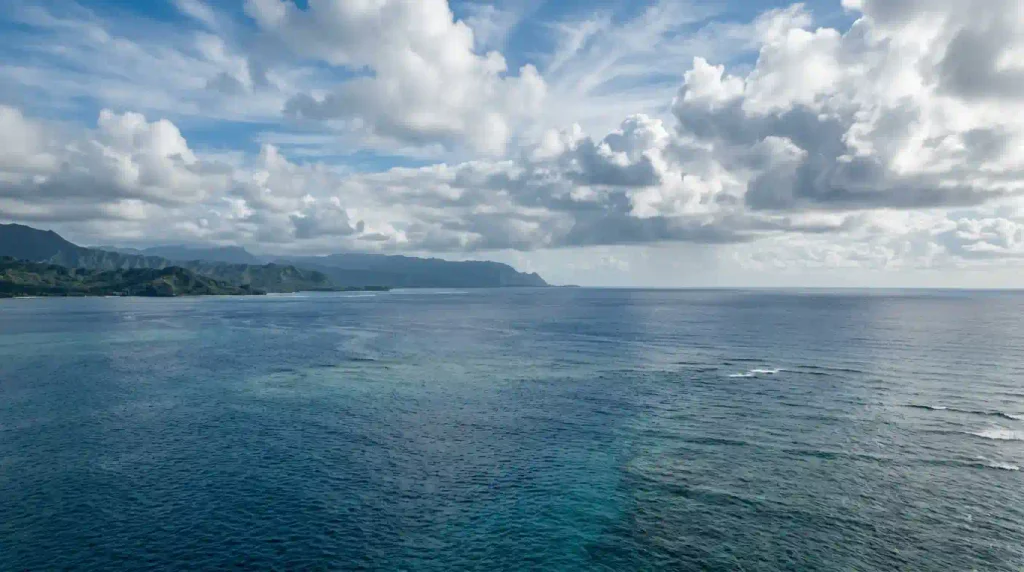
El Niño is the warm phase of the El Niño–Southern Oscillation (ENSO), a naturally occurring climate pattern involving interactions between the tropical Pacific Ocean and the atmosphere. It can alter weather patterns far beyond the Pacific, influencing temperatures, rainfall, and the likelihood of extreme weather in many parts of the world.
Under typical conditions, trade winds blow from east to west across the tropical Pacific, pushing warm surface water toward the western Pacific, near Indonesia and Australia. Meanwhile, cooler water rises from deeper in the ocean along parts of the eastern Pacific, near South America.
During El Niño, these trade winds weaken, allowing unusually warm surface water to spread farther east across the central and eastern equatorial Pacific. This changes how heat and moisture enter the atmosphere, shifting patterns of clouds, rainfall, winds, and atmospheric circulation. These changes can influence weather systems across the globe, increasing the likelihood of heatwaves in some regions while contributing to drought, heavy rainfall, or flooding in others.
The effects vary by location, season, and the strength of the event. El Niño does not produce the same weather conditions everywhere, and its influence interacts with other climate factors.
El Niño, La Niña, and Neutral Conditions
ENSO has three broad phases:
- El Niño: Sea-surface temperatures become unusually warm in parts of the central and eastern equatorial Pacific, accompanied by changes in the atmosphere.
- La Niña: These areas become unusually cool, with a different pattern of ocean–atmosphere interactions.
- ENSO-neutral: Conditions do not meet the criteria for either El Niño or La Niña.
El Niño and La Niña events commonly recur every two to seven years, although their timing, duration, and strength vary. An individual event often persists for several seasons, and each phase can influence global weather differently.
How Does El Niño Contribute to Global Heat?
The tropical Pacific covers an enormous area. When its surface waters become unusually warm, they transfer energy to the atmosphere and influence how heat and moisture circulate around the planet.
El Niño can temporarily raise global average temperatures by releasing additional heat from the tropical Pacific into the atmosphere and changing atmospheric circulation. It can also contribute to regional heat extremes by altering cloud cover, rainfall, winds, and the movement of weather systems.
However, El Niño does not heat every region equally. Some places may experience unusually hot and dry conditions, while others receive heavier rainfall, face flooding, or experience cooler-than-average conditions during particular seasons. The resulting impacts depend on regional climate patterns and other environmental conditions.
El Niño Is Not the Same as Climate Change
El Niño, global warming, and climate change are related, but they describe different phenomena.
El Niño is a naturally occurring climate pattern associated with unusually warm surface waters in the central and eastern tropical Pacific. It changes atmospheric circulation and influences weather and temperatures around the world.
Global warming refers to the long-term rise in Earth’s average surface temperature, driven primarily by human activities that increase greenhouse gas concentrations in the atmosphere, particularly the burning of fossil fuels.
Climate change is the broader term for long-term changes in temperatures, rainfall patterns, extreme weather, sea levels, and other aspects of the climate system. Global warming is a major driver of modern climate change.
These phenomena can interact. When El Niño occurs against a background of human-caused global warming, it can temporarily push global temperatures higher than they might otherwise have been. However, El Niño does not explain the long-term warming trend, which is primarily driven by human-caused greenhouse gas emissions.
Understanding this distinction helps us interpret climate reports more accurately. Reducing greenhouse gas emissions is essential to limiting long-term global warming, while monitoring El Niño forecasts and preparing for its potential effects can help communities manage seasonal risks to health, food supplies, water availability, and livelihoods.
El Niño, global warming, and climate change are different names for the same phenomenon.
They are related but distinct. El Niño is a natural climate pattern involving unusually warm surface waters in the tropical Pacific. Global warming is the long-term rise in Earth’s average surface temperature, driven primarily by human activities that increase greenhouse gas concentrations. Climate change encompasses broader, long-term changes in temperatures, rainfall, sea levels, and other aspects of the climate system.
A strong El Niño can temporarily raise global temperatures further when it occurs against the background of human-caused global warming. However, El Niño does not explain the long-term warming trend. Its effects also vary by region, so it does not automatically cause the same weather conditions everywhere.
The Scale of the Heat Surge During El Niño

El Niño events vary in strength. Some are relatively weak, while others produce exceptionally warm ocean conditions and more pronounced changes in global weather patterns. A strong event can increase the likelihood of unusually high temperatures across large parts of the world, although it does not heat every location equally or guarantee record-breaking temperatures in every country.
The developing 2026 El Niño has attracted particular attention because of its projected strength and potential effects on global temperatures and rainfall patterns. Understanding the scale of this heat surge requires distinguishing between global temperature records, regional temperature changes, and the conditions people experience locally.
What Does a Temperature Anomaly Mean?
Climate reports often describe temperatures using a temperature anomaly: the difference between an observed or forecast temperature and the average for a defined reference period.
For example, if a location’s average temperature for a particular month is 25°C but its observed average is 27°C, the temperature anomaly is +2°C. This means the average was 2°C above the reference value.
Global temperature anomalies work the same way, but they represent temperature differences across the globe rather than at a single location. A global anomaly of +1.5°C does not mean that every place is 1.5°C warmer than usual, nor does it mean that every day is hotter than normal.
Land areas can experience much larger departures from their local averages than the global figure suggests. Some regions may experience prolonged heat, while others may have temperatures closer to normal or even unusually cool conditions.
It is also important to distinguish between a global annual average, a monthly global average, a regional temperature record, and a local heat wave. These describe different aspects of temperature and should not be treated as interchangeable.
For example, a climate map showing widespread above-average temperatures does not mean every community within the highlighted area will experience the same temperatures, duration of heat, or level of risk.
Why Can a Strong El Niño Matter So Much?
El Niño develops when sea-surface temperatures in parts of the central and eastern equatorial Pacific become warmer than usual, alongside changes in atmospheric circulation. These changes can influence weather patterns far beyond the tropical Pacific.
A strong event can increase the likelihood of unusually warm conditions in many regions while shifting rainfall patterns elsewhere. Depending on the region and season, the consequences may include drought, reduced rainfall, heavy precipitation, or increased flood risk.
The effects can interact with other climate influences, including conditions in the Indian Ocean, regional ocean temperatures, soil moisture, and long-term human-caused global warming.
The consequences extend beyond weather observations. Extreme heat can increase demand for electricity and water, reduce the safety of outdoor work, affect crop production, and place additional pressure on health services. The severity of these effects depends on local conditions, exposure, infrastructure, and the resources available to communities.
Why Can the Heat Persist After El Niño Begins to Weaken?
The relationship between El Niño and global temperatures is not a simple on-off switch.
The ocean stores enormous amounts of energy, and changes in ocean temperatures and atmospheric circulation do not occur uniformly across the globe. Consequently, global temperatures may remain unusually high even after the tropical Pacific begins moving away from peak El Niño conditions.
Other influences also matter, including greenhouse gas concentrations, temperatures in other ocean basins, atmospheric aerosols, soil moisture, and regional weather patterns.
Long-term human-caused warming is particularly important because it raises the global temperature baseline on which natural climate patterns operate. When El Niño adds to this background warming, the combined effect can increase the likelihood of exceptionally high global temperatures.
However, the contribution of El Niño should not be confused with the underlying trend of human-caused climate change. They are distinct influences that can operate together.
What Is Happening in 2026?
As of October 2026, official climate assessments indicate that El Niño is strengthening and could remain strong into early 2027.
In its October 8, 2026, diagnostic discussion, the U.S. National Oceanic and Atmospheric Administration‘s Climate Prediction Center reported continued intensification and indicated that strong-to-very-strong El Niño conditions were likely through January–March 2027. The outlook also assigned a greater-than-83% probability to strong-to-very-strong conditions during that period.
The World Meteorological Organization‘s October outlook likewise projected exceptionally warm tropical Pacific sea-surface temperatures during October–December 2026, alongside an increased likelihood of above-average temperatures across large areas of the globe and shifts in rainfall patterns.
These are forecasts, not guarantees. Seasonal outlooks describe probabilities over broad geographical areas and periods; they cannot determine the exact weather that every country, city, or community will experience.
The developing El Niño therefore warrants attention, but its likely effects must be interpreted alongside regional forecasts, local observations, and the wider context of long-term global warming.
As of October 2026, NOAA and the World Meteorological Organization project a strengthening El Niño, with potentially widespread temperature increases and shifts in rainfall patterns. NOAA‘s October outlook indicated a greater-than-83% chance of strong-to-very-strong conditions through January–March 2027.
What this means: Unusually high temperatures and rainfall changes are more likely in some regions, but impacts will vary. El Niño adds to, rather than replaces, the effects of long-term human-caused global warming.
El Niño and Extreme Weather Around the World
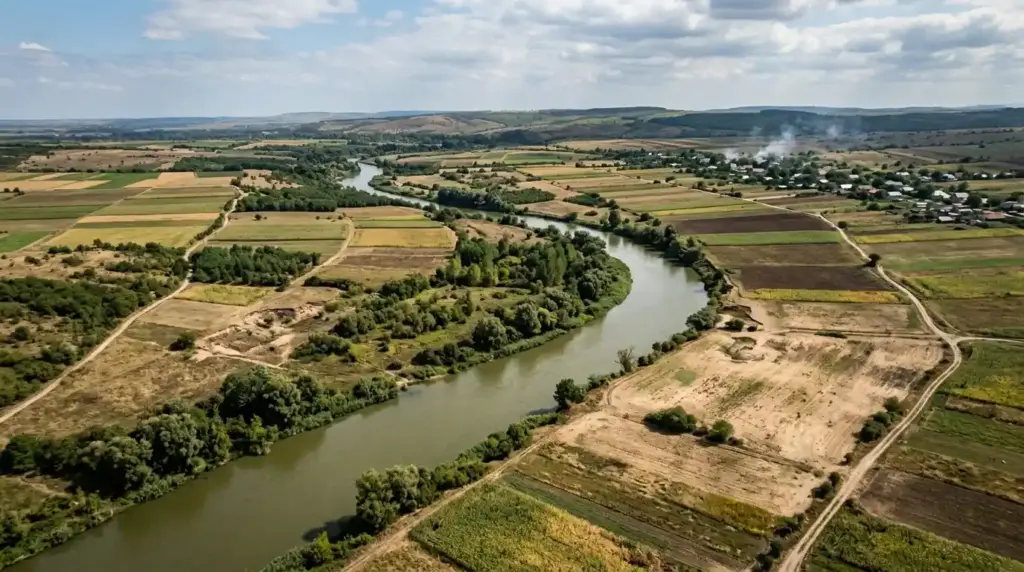
El Niño influences global weather patterns, but its effects are not uniform. The same event can increase the likelihood of drought in one region and unusually heavy rainfall in another. Its influence depends on the event’s strength, the season, geography, and other atmospheric and oceanic conditions occurring at the same time.
These changes can affect more than the weather. Drought can threaten agriculture and water supplies, while heavy rainfall can cause flooding, damage infrastructure, and disrupt access to essential services. Heat can intensify existing pressures on health, livelihoods, and the environment.
The regional examples below describe broad climate tendencies, not guaranteed forecasts for every country or community.
Africa
El Niño can influence rainfall across parts of Africa, but its effects vary considerably by region and season.
In parts of southern Africa, some El Niño events have been associated with below-average rainfall and increased drought risk. Such conditions can affect crop production, livestock, water availability, and household income. When heat increases moisture loss from soil and surface water, dry conditions can become more difficult to manage.
Parts of East Africa can experience a different pattern. Certain El Niño events have been associated with heavier rainfall during particular rainy seasons, increasing the risk of flooding. Floods can damage homes and roads, disrupt health care services, contaminate water supplies, displace communities, and increase exposure to some waterborne diseases.
The consequences can extend beyond the immediate weather event. Poor harvests may contribute to food insecurity, rising food prices, and nutritional difficulties, while flooding can interrupt livelihoods and access to essential services.
West Africa, including Nigeria, should not assume that El Niño automatically means nationwide drought, extreme heat, or a particular pattern of infectious disease. Regional climate influences vary, and national and local forecasts provide more useful guidance for practical decisions than the El Niño label alone.
Asia and the Western Pacific
El Niño is often associated with drier-than-normal conditions in parts of Indonesia, Papua New Guinea, and Australia. Depending on the event, reduced rainfall can increase drought risk, threaten agricultural production, contribute to water shortages, and affect electricity generation in places that depend on hydropower.
Dry conditions can also increase the risk of wildfires. Smoke from these fires may travel considerable distances, worsening air quality and aggravating respiratory and cardiovascular conditions, particularly among people with asthma or existing heart and lung diseases.
Elsewhere in Asia, El Niño can influence seasonal rainfall patterns, including aspects of the South Asian monsoon. The effects on rainfall, agriculture, and water availability vary between countries and from one event to another.
The Indian Ocean Dipole, regional ocean temperatures, and other atmospheric systems can strengthen or weaken the typical El Niño influence. Consequently, an El Niño forecast does not, by itself, establish whether a particular Asian country will experience drought, flooding, or unusually high temperatures.
North, Central, and South America
El Niño can alter large-scale atmospheric circulation, influencing storm tracks, seasonal temperatures, and rainfall patterns across the Americas.
In parts of the southern United States, El Niño is often associated with wetter conditions during winter, while some northern areas may experience warmer conditions during particular seasons. These are broad tendencies, and actual outcomes depend on the event and other weather influences.
Parts of Central America and the Caribbean can face increased drought risk during some El Niño events. Reduced rainfall may affect crop production, water supplies, and livelihoods, particularly in communities that depend heavily on rain-fed agriculture.
In South America, the effects can vary sharply across relatively short distances. Parts of northeastern Brazil and the Amazon region can experience increased drought risk during some events, while coastal areas of Ecuador and northern Peru may experience unusually heavy rainfall and flooding.
Flooding can damage homes, roads, sanitation systems, and health care facilities. It can also interrupt transportation, contaminate drinking water, and complicate the delivery of emergency assistance.
El Niño can also influence tropical cyclone activity, but the effects differ between ocean basins. Changes in atmospheric circulation and wind shear can make conditions more or less favorable for tropical cyclones in particular regions. These influences do not determine the path or intensity of an individual storm.
Australia and the Pacific Islands
Australia is commonly associated with increased risks of hot, dry conditions during El Niño, although the strength and distribution of these effects vary. Where dry conditions coincide with high temperatures, agricultural stress and the risk of dangerous bushfires may increase.
Pacific island communities can face combinations of heat, drought, changing rainfall patterns, and pressure on freshwater supplies. These challenges can be particularly significant on islands where access to reliable freshwater is limited.
The effects vary across the Pacific, however, and El Niño does not produce the same rainfall pattern on every island. Existing exposure to tropical cyclones, coastal flooding, and sea-level rise can also compound the consequences of extreme weather.
Europe and Other Regions
El Niño‘s influence on European weather is generally less direct and less consistent than its influence on some tropical and subtropical regions. Nevertheless, changes in tropical Pacific conditions can affect atmospheric circulation patterns that extend across the globe.
The resulting effects depend on the season and interactions with other climate systems. A particular El Niño event may coincide with unusual temperature or rainfall patterns in Europe, but it would be misleading to attribute every such event to El Niño alone.
The same caution applies to other regions not discussed in detail here. Global climate patterns can influence distant weather, but local geography, seasonal conditions, and other atmospheric and oceanic processes determine the eventual outcome.
Why Regional Forecasts Matter
El Niño is a climate driver, not a detailed local weather forecast. It changes the probability of certain weather patterns but cannot tell a community exactly when a heat wave, storm, flood, or drought will occur.
For practical planning, people should consult their national meteorological service, local emergency management authorities, and relevant public health agencies. These organizations can interpret broader climate conditions alongside local observations, seasonal outlooks, and shorter-range weather forecasts.
For households, farmers, outdoor workers, and public authorities, this distinction matters. Preparing for a plausible risk is more useful than assuming that every location will experience the same consequences of El Niño.
The central lesson is simple: El Niño can influence extreme weather around the world, but its effects depend on where and when they occur. Understanding regional forecasts is essential for translating global climate information into appropriate local action.
The Direct Health Impacts of Extreme Heat
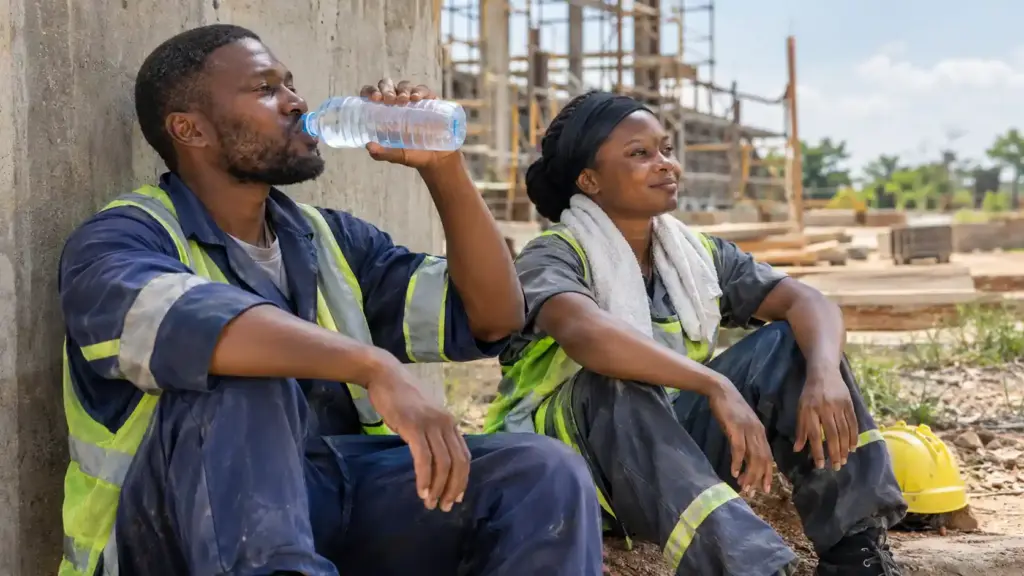
Extreme heat is not merely uncomfortable. It places additional demands on the body, can cause serious illness, worsen existing medical conditions, and contribute to deaths.
El Niño can increase the likelihood of unusually hot conditions in some regions, but the health risks depend on the actual heat people experience, how long it lasts, humidity, nighttime temperatures, physical activity, and access to water and cooling. Individual health, age, working conditions, and the ability to escape the heat also influence vulnerability.
The most immediate concern is the body’s ability to regulate its internal temperature.
Under normal conditions, the body releases heat through mechanisms such as sweating and increased blood flow to the skin. However, high air temperatures, humidity, direct sunlight, strenuous activity, and inadequate ventilation can make cooling more difficult.
When the body cannot lose heat quickly enough, heat-related illness can develop.
Heat Exhaustion and Heatstroke
Heat-related illness can range from symptoms that require prompt attention to a life-threatening medical emergency.
Heat exhaustion can occur after substantial heat exposure or fluid loss. Possible symptoms include:
- Heavy sweating.
- Weakness or unusual tiredness.
- Headache or dizziness.
- Nausea or vomiting.
- Muscle cramps.
- Faintness or a rapid pulse.
Anyone experiencing these symptoms should stop physical activity and move to a cooler place. Cooling the body and drinking water may help if the person is fully alert and can swallow safely. Seek medical assessment if symptoms are severe, worsen, or fail to improve promptly.
Heatstroke is a life-threatening medical emergency. Warning signs can include confusion, unusual behavior, seizures, collapse, or loss of consciousness. The skin may be hot, but sweating may or may not be present.
If heatstroke is suspected, call local emergency services immediately and begin rapid cooling while help is being arranged. Do not delay cooling while waiting for transport, and do not wait for every possible symptom to appear. Never give fluids to someone who is confused, unconscious, or unable to swallow safely.
Effects on the Heart, Kidneys, and Other Organs
Extreme heat places additional demands on the cardiovascular system. The heart must work harder to help the body release heat by moving blood toward the skin. Sweating also causes the loss of water and salts, while dehydration can further affect circulation.
These changes can strain the cardiovascular system and may worsen existing heart disease. Heat can also aggravate respiratory conditions and complicate the management of diabetes, kidney disease, and certain other chronic illnesses.
Significant fluid loss can reduce blood flow to the kidneys and contribute to acute kidney injury. Severe heat-related illness can affect multiple organs, making prompt recognition and treatment particularly important.
Some medications can affect sweating, fluid balance, blood pressure, alertness, or the body’s ability to respond to heat. People taking regular medications may benefit from individualized advice about staying safe during periods of extreme heat.
Prescribed medications should not be stopped, reduced, or otherwise changed without appropriate medical advice. A health care professional or pharmacist can help determine whether an individual needs a heat-safety plan based on their health conditions and treatment.
Sleep, Concentration, and Mental Well-Being
The effects of heat can continue after the hottest part of the day has passed.
Hot nights can make it difficult to sleep and recover from daytime heat exposure. When nighttime temperatures remain high, the body may have fewer opportunities to cool down adequately.
Poor sleep can affect concentration, mood, reaction time, decision-making, and performance at work or school. Persistent heat-related discomfort can also make caregiving, studying, and routine activities more difficult.
Heat may worsen stress and existing mental health difficulties, while some mental health conditions and their treatments can affect a person’s vulnerability to high temperatures.
These challenges can be particularly significant for people who live in crowded housing, work in hot environments, or lack reliable access to cooling.
Why Repeated Exposure Matters
A single hot afternoon is not the only concern. Several consecutive days of high temperatures, particularly when nights remain hot, can limit the body’s opportunity to recover.
The cumulative effects depend on the intensity and duration of the heat, humidity, access to drinking water and cooling, physical exertion, underlying health conditions, and how accustomed the local population is to those conditions.
For example, an outdoor worker exposed to high temperatures throughout the day may face a different combination of risks from an older adult spending the day in a poorly ventilated home. Both may be vulnerable, but the appropriate protective measures will differ.
Recognizing these differences is essential for protecting health during prolonged hot weather. Extreme heat is not simply a matter of personal discomfort; it is a health risk shaped by the conditions in which people live and work.
Suspected Heatstroke Requires Urgent Action
Confusion, seizures, collapse, or altered consciousness during heat exposure or strenuous activity may indicate heatstroke.
What to do:
- Call your local emergency services immediately.
- Move the person out of the heat, into the shade or a cooler environment.
- Begin rapid cooling immediately, using available methods such as cold-water immersion when appropriate or wetting the skin with cool water while fanning.
- Do not leave the person alone. Monitor their breathing and follow emergency-dispatch instructions.
- Do not give food or fluids to someone who is confused, unconscious, or unable to swallow safely.
Do not delay cooling while waiting for medical help or transport. Heatstroke can be fatal without urgent treatment.
Hot nights matter, too.
When nighttime temperatures remain high, the body may have fewer opportunities to recover from daytime heat exposure. Several consecutive hot days and nights can increase the strain of prolonged heat, particularly for people who work outdoors, live in poorly ventilated homes, or lack access to a cool sleeping environment.
Reducing heat exposure during the day is important, but opportunities to cool down and recover at night matter as well.
The Indirect and Cascading Health Risks
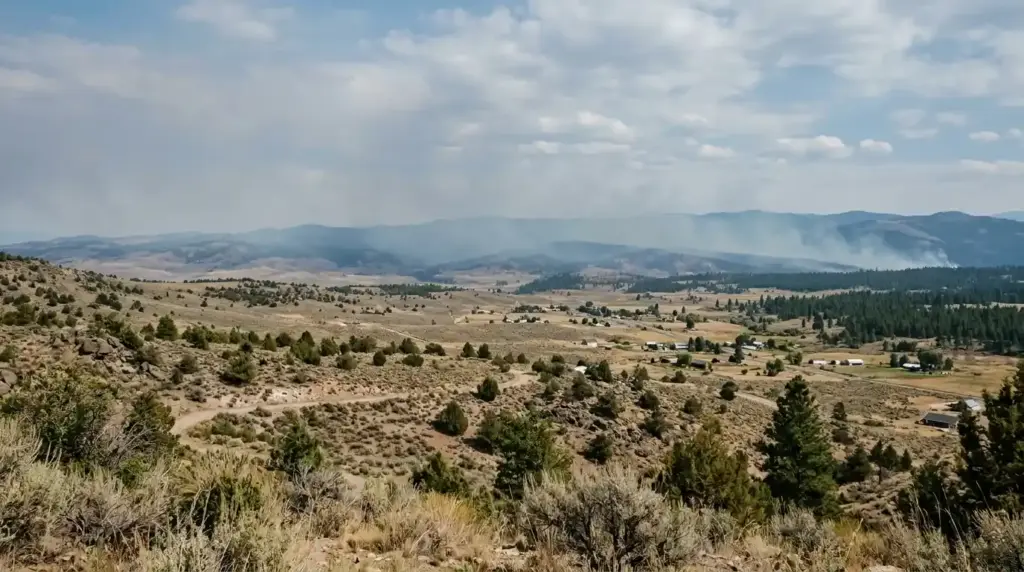
The health effects of El Niño extend beyond direct exposure to high temperatures. Changes in rainfall, drought, wildfires, agriculture, water supplies, and essential services can trigger chains of consequences that affect health and well-being.
These effects may develop gradually or emerge after an extreme weather event. A drought, for example, can reduce agricultural production, increase food prices, and make safe water harder to obtain. Flooding can contaminate drinking water supplies, damage health care facilities, and interrupt access to medications.
The resulting health risks depend on the hazards involved, the resources available to communities, and their ability to prepare for and recover from disruption.
Wildfire Smoke and Air Pollution
Hot, dry conditions can increase wildfire risk in some regions. Wildfires release fine particles and other pollutants that can irritate the eyes and airways and worsen asthma, chronic respiratory disease, and cardiovascular conditions.
People do not need to live near a fire to be affected. Smoke can travel long distances, and air pollution can remain a concern even when flames are no longer visible nearby.
Children, older adults, pregnant women, and people with existing heart or lung conditions may be particularly vulnerable to smoke exposure.
During smoke events, follow official air quality advice, reduce strenuous outdoor activity when pollution levels are high, and seek a cleaner indoor environment where possible. Appropriate protective measures depend on the severity of the pollution and the guidance issued by local health authorities.
Food Security and Malnutrition
Drought, excessive rainfall, unusually high temperatures, and wildfires can damage crops, reduce yields, affect pasture, and disrupt agricultural activities. Livestock may suffer from heat stress, water shortages, and reduced access to feed. Changes in ocean temperatures can also affect fisheries and marine ecosystems.
These pressures may reduce the availability of certain foods, interrupt supply chains, or increase food prices. The consequences depend on the crops and livelihoods affected, the duration of the disruption, and the ability of markets and communities to adapt.
For households with limited financial resources, rising food costs can force difficult choices. Families may reduce meal sizes, switch to less nutritious foods, or spend less on health care and other essential needs.
Food insecurity is therefore more than a shortage of food. Reduced access to an adequate and nutritious diet can contribute to undernutrition, affect child growth and maternal health, and complicate the management of existing medical conditions.
Children, pregnant women, older adults, and people living with chronic illnesses may face particular risks when access to nutritious food becomes less reliable.
Water Supply, Sanitation, and Hygiene
Drought can reduce the availability of water for drinking, cooking, handwashing, and sanitation. When reliable supplies become scarce, households may have to travel farther to collect water or rely on alternative sources whose safety is uncertain.
Flooding creates a different set of problems. Floodwater can contaminate drinking water sources with sewage, chemicals, and other pollutants. Floods may also damage water treatment facilities, drainage systems, and sanitation infrastructure.
When access to safe water and adequate sanitation is disrupted, maintaining basic hygiene becomes more difficult, and the risk of certain water-related illnesses may increase.
Safe water storage, appropriate treatment of potentially contaminated water, protection of water infrastructure, and effective sanitation systems are important parts of public health preparedness. When contamination is suspected, people should follow local public health guidance on obtaining and treating drinking water.
Mosquitoes and Infectious Diseases
Changes in temperature and rainfall can alter the environments in which mosquitoes and other disease-carrying organisms survive and reproduce. Depending on local conditions, these changes may influence the transmission risk of diseases such as malaria and dengue.
Rainfall can affect mosquito breeding habitats in different ways. Some conditions create additional breeding sites, while others may reduce them. Flooding can also disrupt sanitation systems and water supplies, potentially increasing the risk of certain water-related illnesses.
However, the relationship between El Niño and infectious disease is complex. Transmission depends on several interacting factors, including the pathogen, the vector, local ecology, housing, sanitation, population immunity, health care access, and the effectiveness of disease-control programs.
El Niño should not be treated as a universal predictor of disease outbreaks. An increase in rainfall or temperature does not automatically mean that a particular disease will become more common.
Disease surveillance, local epidemiological evidence, and public health guidance are essential for determining whether infection risks are increasing in a particular area.
Pressure on Health Care and Essential Services
Extreme weather can disrupt the infrastructure on which health care depends. Heat waves, floods, wildfires, and storms may damage roads, interrupt electricity and communications, compromise water supplies, and make health care facilities more difficult to reach.
Hospitals and clinics may also experience increased demand during extreme weather, placing additional pressure on staff, equipment, and available resources.
Disruptions can affect routine treatment as well as emergency care. People who depend on regular clinical appointments, dialysis, oxygen, powered medical equipment, or temperature-sensitive medications may be particularly vulnerable when essential services become unreliable.
Electricity interruptions, for example, can affect refrigeration for medications that require controlled temperatures. Transportation disruptions can delay the delivery of medications and other medical supplies, while damaged roads may prevent patients from reaching treatment facilities.
Preparedness therefore needs to address the continuity of health care, not just the capacity to respond to a sudden increase in patients. Reliable backup power, safe water supplies, contingency arrangements for essential medications, and plans for maintaining access to treatment can help reduce the health consequences of extreme weather.
Ultimately, the indirect health risks of El Niño depend not only on the climate hazards themselves but also on how well communities, infrastructure, and essential services can withstand disruption.
The central lesson is that climate-related health risks can cascade. A change in rainfall or temperature can affect food, water, air quality, livelihoods, and health care at the same time. Understanding these connections is essential for effective public health preparedness and protecting communities before, during, and after extreme weather events.
Who Is Most Vulnerable to Extreme Heat?
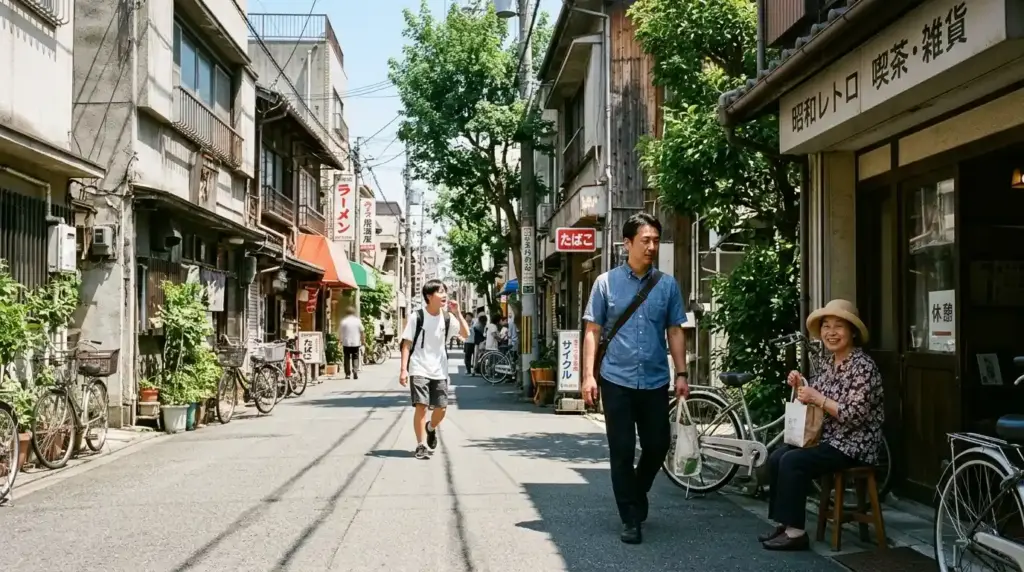
Extreme heat can affect anyone, but some people face a greater risk of serious illness because of their age, health, living conditions, or work. Others may be particularly vulnerable because they have limited opportunities to escape the heat, access cooling, or obtain timely medical assistance.
Understanding these differences is essential because the effects of extreme heat are shaped not only by the temperature itself but also by people’s circumstances and ability to protect themselves.
Older Adults and People With Chronic Conditions
Older adults may have a reduced ability to regulate body temperature or respond to changing environmental conditions. Some may also have a reduced sense of thirst, mobility limitations, or medical conditions that make it more difficult to cope with prolonged heat.
Cardiovascular disease, kidney disease, respiratory conditions, diabetes, and certain neurological conditions can increase vulnerability during hot weather. Heat may worsen existing illnesses, while dehydration and changes in circulation can place additional strain on the body.
Some medications can also affect sweating, blood pressure, alertness, or fluid balance. People who are concerned about their treatment during hot weather should seek individualized advice from a health care professional or pharmacist rather than stopping or changing prescribed medications independently.
Social circumstances matter, too. Older adults who live alone, have limited mobility, or lack reliable access to cooling may have fewer opportunities to recognize and respond to dangerous heat.
Infants, Children, and Pregnant Women
Infants and young children depend on adults to keep them cool, adequately hydrated, and protected from excessive heat. They may become overheated during outdoor play, sports, travel, or time spent in hot indoor environments.
Children may not recognize the early signs of heat-related illness or communicate their discomfort clearly. Caregivers should therefore pay attention to their surroundings, physical activity, hydration, and changes in behavior.
Children should never be left in parked vehicles, even briefly. Temperatures inside a vehicle can rise rapidly to dangerous levels, even when conditions outside seem relatively mild.
Pregnancy can also increase the body’s physiological demands during hot weather. Exposure to extreme heat has been associated with adverse pregnancy outcomes, although individual risks vary with the intensity and duration of exposure and other factors.
Pregnant women should follow local heat-safety guidance, take steps to limit excessive heat exposure, and seek medical advice if they develop concerning symptoms.
Outdoor Workers and People Who Exercise in the Heat
Agricultural workers, construction workers, delivery workers, street vendors, grounds staff, emergency responders, and others who spend long periods outdoors may have limited control over their exposure to high temperatures.
Physical work generates additional heat within the body. Protective clothing, heavy workloads, inadequate rest breaks, limited access to drinking water, and direct sunlight can further increase the strain.
Athletes and recreational exercisers can face similar risks, particularly during strenuous activity in hot or humid conditions. Even people who are physically fit can develop heat-related illness when environmental conditions and exercise demands exceed their ability to cool down.
Heat protection must therefore account for both environmental conditions and the demands of the activity. Employers and sports organizations should adjust work intensity and schedules when necessary, provide access to drinking water and shaded or cooler rest areas, and establish clear procedures for recognizing and responding to heat-related illness.
Workers should not have to choose between protecting their health and meeting basic employment or income needs.
People Living in Hot Buildings and Dense Urban Areas
Where people live can strongly influence their exposure to extreme heat.
Asphalt, concrete, and other urban surfaces absorb and retain heat. Areas with limited tree cover, little green space, and extensive paved surfaces may remain warmer than surrounding areas, particularly after sunset. This phenomenon is known as the urban heat island effect.
Buildings can also retain heat, especially when ventilation is poor or roofs and walls absorb substantial solar energy. Crowded housing, informal housing, and homes without reliable electricity or cooling can leave residents with few opportunities to escape prolonged high temperatures.
When nights remain hot, indoor environments may provide insufficient relief for the body to recover from daytime heat exposure.
The risk is therefore not determined by outdoor temperature alone. Building design, ventilation, shade, access to cooler public spaces, and the availability of reliable electricity can all influence how much heat people experience.
Communities With Limited Resources
Poverty, disability, displacement, social isolation, and inadequate infrastructure can make it more difficult to respond to extreme heat.
A person may understand the risks but still be unable to afford cooling, obtain sufficient drinking water, travel to a cooler location, or take time away from work. People with disabilities may also need accessible transportation, appropriate assistance, or reliable electricity to operate essential equipment.
Communities with limited health care access or unreliable water and electricity supplies may face additional challenges during prolonged hot weather.
These disadvantages can overlap. For example, an older adult with a chronic illness who lives alone in a poorly ventilated home may face several risk factors simultaneously.
Effective heat protection must therefore go beyond individual advice. It also requires accessible public cooling spaces, reliable water and electricity supplies, safer working conditions, suitable housing, community support, and health care services that can respond to periods of extreme heat.
The central lesson is that vulnerability to extreme heat is shaped by both biology and circumstances. Protecting people requires understanding who is most at risk, how they are exposed, and what practical barriers prevent them from staying safe.
How Can El Niño Affect Athletes and Sporting Events?

Sport is another area where El Niño and rising global temperatures can become a health and safety concern. Depending on the region and season, El Niño can contribute to weather conditions that make outdoor training and competition more challenging.
Its effects are not the same everywhere. Sporting events should therefore be planned around local forecasts and measured environmental conditions, rather than the El Niño outlook alone.
Heat Can Affect Both Performance and Health
When athletes train or compete in hot conditions, their bodies must manage the heat generated by physical exertion as well as heat from the surrounding environment. High temperatures and humidity can make cooling more difficult, increasing physiological strain and the risk of dehydration, heat exhaustion, and potentially life-threatening exertional heatstroke.
Heat can also impair endurance, concentration, decision-making, and overall performance. The degree of risk depends on environmental conditions, exercise intensity and duration, clothing and equipment, acclimatization, and opportunities to rest and cool down.
These risks extend beyond elite athletes. Schoolchildren participating in sports programs, recreational runners, community soccer players, coaches, referees, grounds staff, and spectators may also be exposed to dangerous conditions. People who are not acclimatized to the heat or who have certain underlying health conditions may need additional protection.
What Should Athletes and Sports Organizations Do?
Heat safety should be part of routine training and event planning, rather than something addressed only after an emergency. Athletes, coaches, organizers, and medical teams all have roles to play in reducing preventable harm.
- Monitor local conditions: Assess heat and humidity at the actual training ground or competition venue, and continue monitoring as conditions change. Where appropriate, use a recognized heat-stress or wet-bulb globe temperature (WBGT) assessment to inform decisions.
- Adapt schedules and workloads: Consider cooler start times, additional breaks, reduced exercise intensity, modified competition formats, or postponement when conditions create an unacceptable risk.
- Allow gradual acclimatization: Athletes traveling to hotter environments should have time to adapt gradually under an appropriate training plan.
- Provide hydration and cooling: Ensure access to suitable drinking water, shade, cooling areas, and recovery facilities.
- Recognize warning signs: Headache, dizziness, unusual weakness, nausea, and heavy sweating may indicate heat-related illness. Confusion, collapse, seizures, or altered consciousness during exertion may indicate a life-threatening emergency.
- Prepare medical teams: Establish clear emergency procedures and ensure trained personnel have the equipment and resources to recognize and rapidly treat suspected exertional heatstroke.
- Protect everyone at the venue: Include spectators, officials, coaches, volunteers, security personnel, and event workers in heat-safety planning.
Wildfire smoke and poor air quality can create additional challenges in some regions. Smoke may affect athletes’ breathing and increase health risks, particularly for people with existing respiratory or cardiovascular conditions. When smoke affects a venue, organizers should consider official air quality information alongside heat risks before deciding whether training or competition should proceed.
Protecting Athletes in Hot Weather
- Check local conditions: Monitor heat and humidity at the training ground or competition venue. Do not rely on the general weather forecast or the El Niño outlook alone.
- Adjust training and competition: Move activities to cooler hours, reduce exertion, introduce additional breaks, or postpone events when necessary.
- Prepare for the heat: Athletes traveling to hotter environments should acclimatize gradually under an appropriate training plan.
- Plan hydration and cooling: Ensure suitable drinking water, shade, cooling facilities, and recovery areas are available.
- Know the warning signs: Headache, dizziness, unusual weakness, nausea, or heavy sweating may indicate heat-related illness. Confusion, collapse, seizures, or altered consciousness during exertion may indicate a life-threatening emergency.
- Prepare the medical team: Establish an emergency response plan and ensure trained personnel can recognize and rapidly treat suspected exertional heatstroke.
- Protect everyone at the venue: Include spectators, coaches, referees, volunteers, security personnel, and grounds staff in heat-safety arrangements.
The key message is that El Niño does not automatically make every sporting event unsafe. However, when it coincides with dangerous local heat or other hazardous conditions, athletes and event organizers must respond to the actual risks. Protecting health should take priority over completing a training session or keeping a competition on schedule.
Will El Niño Affect My Country?

Possibly, but the type, timing, and severity of its effects depend on where you live, the season, the strength of the event, and other climate influences.
El Niño is a global climate pattern, not a forecast that every country will experience the same conditions. Some regions may face an increased likelihood of unusually high temperatures or drought, while others may experience more rainfall or flooding. Conditions can also vary within a single country: one area may be unusually dry while another receives heavy rainfall.
How to Understand the Risk Where You Live
Start with three questions:
- What does the seasonal forecast say? Check your national meteorological service for expected temperature and rainfall patterns in your area.
- Which hazards are relevant locally? Depending on your location, these may include extreme heat, drought, flooding, wildfire smoke, water shortages, or agricultural disruption.
- What are local health authorities advising? Public health agencies may issue heat alerts, disease surveillance updates, water safety guidance, or emergency instructions.
In Nigeria and elsewhere in West Africa, for example, it would be inappropriate to assume that El Niño automatically means nationwide drought, extreme heat, or an increase in malaria cases. Climate conditions and health risks vary by region and season, and El Niño is only one of several factors that influence them.
Global climate outlooks provide useful context, but national and local forecasts are more useful for making practical decisions. Follow updates from your meteorological service and public health authorities, particularly as the season develops.
Question: Will El Niño affect every country in the same way?
Short answer: No. Its effects vary by location, season, and other climate influences. Check your national meteorological service and public health authority for forecasts and guidance relevant to your area.
How Can Individuals and Communities Prepare?
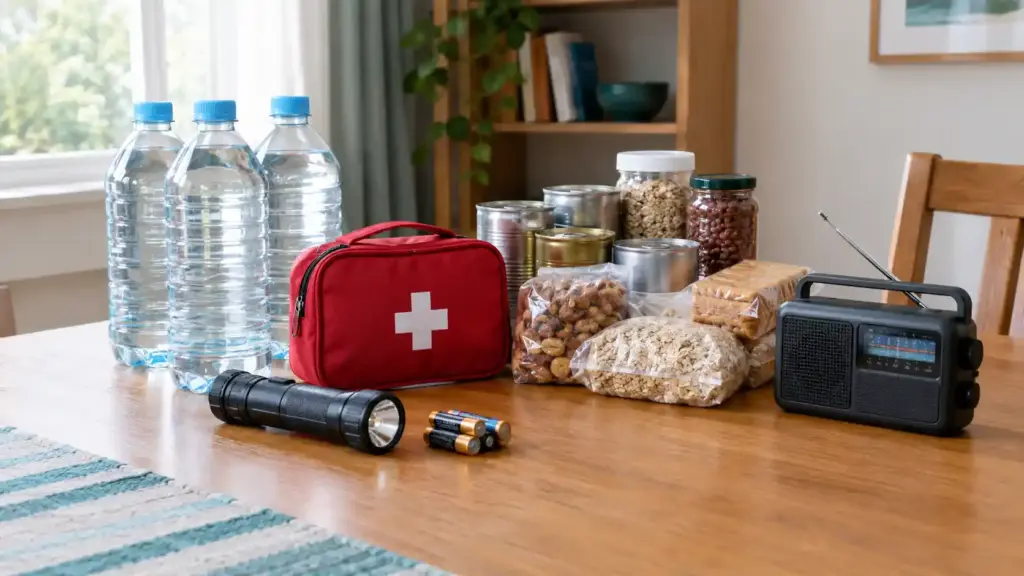
You cannot control El Niño, but you can reduce exposure to some of the hazards it may increase. The most useful preparations depend on local forecasts, available resources, and the risks most relevant to your household or community.
Prepare for Extreme Heat
- Check official weather forecasts and heat-health alerts.
- Reduce strenuous outdoor activity during the hottest periods when possible. If outdoor work cannot be avoided, take appropriate breaks.
- Wear lightweight, breathable clothing and use shade to limit direct sun exposure.
- Drink fluids regularly, following medical advice if you have a condition that requires fluid restriction.
- Spend time in a cooler place during prolonged heat.
- Check on older adults, young children, people living alone, and anyone who may need help during extreme heat.
- Never leave a child or pet in a parked vehicle.
Drinking water alone cannot make prolonged heat exposure safe. Humidity, physical exertion, protective clothing, access to shade, and opportunities to rest and cool down also affect the risk of heat illness.
Make Indoor Spaces Safer
Where possible, block direct sunlight during the hottest hours with curtains, blinds, or shutters. When the outdoor air becomes cooler than the indoor air, ventilation can help release accumulated heat.
Use fans and air conditioning appropriately, following local public health guidance and the manufacturer’s instructions. Fans may not provide adequate protection in very hot conditions, particularly when air temperatures are extremely high.
If reliable home cooling is unavailable, identify an accessible cooler location, such as a suitable public building or designated community cooling center, where one exists. Consider how household members who need extra assistance will get there safely.
Prepare for Water, Power, and Other Service Disruptions
Drought, flooding, extreme heat, and related weather events can disrupt essential services. Consider how your household would maintain access to:
- Safe drinking water and essential food.
- Necessary medications and medical care.
- Communication and emergency contacts.
- Electricity-dependent medical equipment and temperature-sensitive medications.
Follow local public health advice about storing or treating water. Do not assume water is safe to drink after flooding or a disruption to the water supply. Store drinking water safely when advised and where feasible.
If you rely on electricity-dependent medical equipment or medications that require refrigeration, ask your health care provider or pharmacist how to prepare for a power outage.
Keep important documents and essential contact information accessible. If flooding is a local risk, follow official warnings and evacuation instructions. Never attempt to walk or drive through floodwater.
Prepare for Smoke and Other Local Hazards
In areas at risk of wildfires or smoke, follow official air quality alerts and public health advice. Where flooding, storms, or other hazards are more relevant, learn how warnings are communicated and what actions local authorities recommend.
Keep emergency information accessible and consider how transportation or communication disruptions could affect your household. Preparedness should reflect the hazards expected in your area rather than assume that every community will experience the same effects from El Niño.
Support Vulnerable People and Strengthen Community Preparedness
Individuals and communities can reduce risks by making sure that people who need extra support are not overlooked. Families, neighbors, community groups, and local services can establish check-in arrangements for older adults, people with disabilities, people living alone, and those who depend on regular medical care.
Schools, workplaces, sports organizations, and care facilities can establish procedures for heat alerts, access to drinking water and shade, changes to activity schedules, and rapid responses to suspected heat illness.
Communities can also share accurate information through channels that reach people without reliable internet access, identify safe places to go during hazardous conditions, and coordinate assistance for people who may have difficulty reaching those locations.
Preparation works best when it begins before a hazard develops. Even modest, well-organized steps can reduce exposure and help households and communities respond more effectively when conditions become dangerous.
A Simple Heat-Readiness Checklist
- Know where to find local weather forecasts and heat-health alerts.
- Identify a cooler place you can access during dangerous heat.
- Plan how to obtain and safely store drinking water.
- Check on people who may be particularly vulnerable.
- Know the warning signs of heat exhaustion and heatstroke.
- Plan for interruptions to electricity, medications, or essential medical equipment, if relevant.
- Follow official guidance during floods, wildfires, poor air quality, or water supply disruptions.
What Should Governments and Healthcare Systems Do?
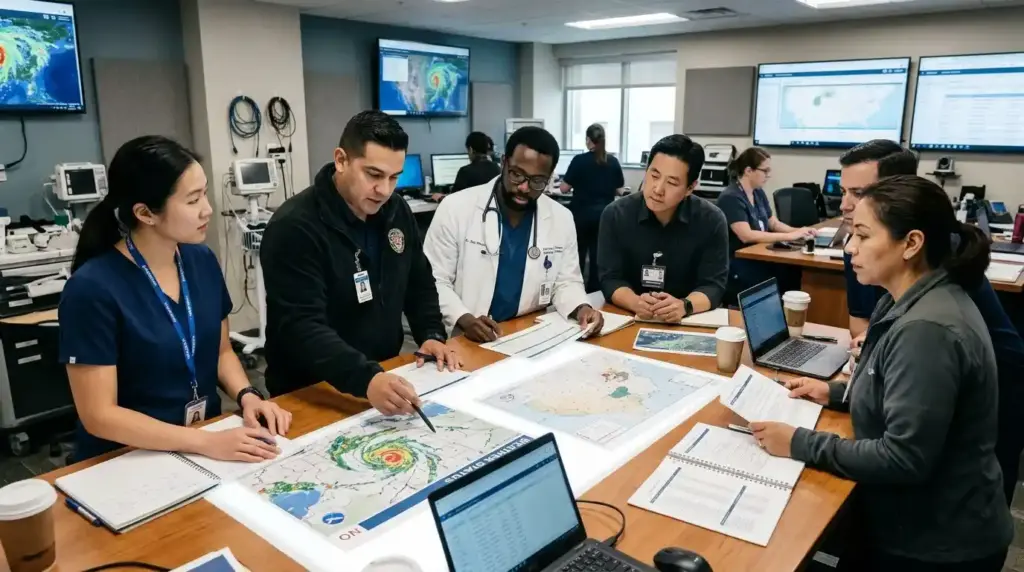
Individual precautions are important, but they cannot replace reliable public infrastructure, accessible health care, and coordinated emergency planning. The ability to stay safe during extreme heat and other climate-related disruptions depends partly on housing, electricity, water, transportation, working conditions, health care access, and community support.
Strengthen Early Warning Systems and Heat-Health Planning
Meteorological agencies, public health authorities, emergency services, and local governments should coordinate to turn weather forecasts into practical public health action.
Effective heat-health plans connect official warnings with clear advice for households, health care facilities, schools, employers, and community organizations. Information should be timely, accessible in appropriate languages and formats, and distributed through channels that reach people without reliable internet access.
Preparedness measures may include public cooling centers, outreach to people at greater risk, occupational heat protections, and clear procedures for responding to heat-related emergencies.
Strengthen Health Care Preparedness
Health care facilities need plans for extreme heat, increased demand for services, power outages, water shortages, and transportation disruptions.
Depending on local needs, preparedness may include:
- Training health care workers to recognize and manage heat-related illness.
- Maintaining safe water supplies and reliable backup power where needed.
- Protecting temperature-sensitive medications and medical supplies.
- Ensuring continuity of essential services and referral arrangements.
- Preparing staffing plans and emergency care procedures for periods of increased demand.
Public health surveillance can help authorities identify unusual patterns of heat-related illness and other climate-sensitive health risks. Findings should be interpreted carefully: not every outbreak or change in disease patterns can be attributed to El Niño alone.
Protect Workers and Vulnerable Communities
Governments and employers can reduce heat-related risks through appropriate workplace protections, access to drinking water and shade, suitable rest periods, and adjustments to work schedules during dangerous conditions.
These measures are particularly important for outdoor workers and others who cannot easily avoid heat exposure. Communities also need plans to reach people who may have limited mobility, live alone, have disabilities, or lack access to reliable cooling and health care.
Schools, care facilities, and other institutions should have clear procedures for modifying activities during heat alerts and responding promptly when someone develops signs of heat illness.
Strengthen Food, Water, and Energy Security
Drought preparedness, reliable water supplies, effective drainage, resilient energy systems, and diversified food supplies can reduce the consequences of climate-related disruptions.
Authorities should assess which communities and essential services are most exposed to heat, drought, flooding, or other locally relevant hazards. Planning ahead can help protect water treatment, food distribution, electricity, transportation, and health care services when extreme weather places them under pressure.
Build Climate-Resilient Communities
Long-term measures may include expanding tree cover and accessible green spaces where appropriate, improving building design and ventilation, increasing shade in public areas, using suitable heat-resistant building materials, and maintaining dependable water, electricity, and health care infrastructure.
These investments can reduce risks during El Niño events and other periods of extreme weather. They can also support adaptation to the broader health impacts of human-caused climate change.
Include Heat Safety in Major Sporting Events and Mass Gatherings
For major sporting events and other mass gatherings, heat-risk management should be integrated into the overall event plan. Organizers and relevant authorities should consider forecast conditions, venue design, crowd movement, access to drinking water and cooling areas, staff and athlete protection, public communication, and on-site medical care.
Plans should also establish clear criteria for modifying schedules, pausing activities, or canceling events when conditions become unsafe.
Effective preparedness requires coordination before a crisis develops. When governments, health care systems, employers, and communities work together, they can reduce avoidable harm, protect essential services, and help ensure that people who face the greatest risks are not left without support.
What Does the Future Hold?
El Niño is a recurring part of Earth’s natural climate system. Each event develops and eventually weakens, but its exact strength, duration, and timing can vary. Scientists can forecast broad seasonal patterns, although predictions remain uncertain and are updated as new observations become available.
The broader challenge is how El Niño interacts with a warming world. Human-caused global warming is raising average temperatures, so an El Niño event occurs against an increasingly warm background. This combination can increase the likelihood of exceptionally high global temperatures and intensify heat risks in some regions.
The effects on rainfall, drought, flooding, and other weather hazards will continue to vary by location, season, and other climate influences. Changing climate conditions can also compound existing challenges involving food security, water supplies, infrastructure, and public health.
This does not mean every El Niño event will produce the same disasters or that every region will experience the same effects. It means that understanding the risks requires distinguishing between established climate trends, seasonal outlooks, and specific weather forecasts. Broad predictions provide useful context, but local forecasts are essential for making practical decisions.
Why Preparation Matters Even When Forecasts Are Uncertain
Uncertainty does not make preparation pointless. Instead, it highlights the importance of flexible plans based on reasonably foreseeable risks.
Heat-health action plans, effective early warning systems, resilient health care facilities, reliable water supplies, and protections for outdoor workers can reduce harm across many types of extreme weather, not just during El Niño. Governments, employers, health care systems, sports organizations, and communities all have roles to play, particularly in protecting people whose circumstances make it difficult to manage these risks on their own.
Long-term climate mitigation is equally important. Reducing greenhouse gas emissions can limit further global warming, while adaptation helps communities manage hazards that are already occurring or cannot be avoided entirely.
El Niño itself cannot be prevented, but many of its potential consequences can be managed. Timely warnings, sound planning, reliable public services, and informed individual choices can help reduce avoidable harm.
Ultimately, El Niño is a natural climate phenomenon, but the extent to which it affects people’s lives depends partly on human decisions: how we build our communities, organize work, protect essential services, care for one another, and prepare for environmental hazards.
Frequently Asked Questions About El Niño
Is El Niño the Same as Global Warming?
No. El Niño is a recurring natural climate pattern involving interactions between the tropical Pacific Ocean and the atmosphere. Global warming is the long-term rise in Earth’s average temperature, driven primarily by human-caused greenhouse gas emissions. El Niño can temporarily add to the warming associated with climate change.
Does El Niño Cause Heat Waves Everywhere?
No. El Niño changes the likelihood of certain temperature and rainfall patterns, but its effects vary by region and season. Some areas may face an increased risk of extreme heat, while others may experience different or less pronounced effects. Local forecasts are needed to understand the likely conditions in a particular place.
Does El Niño Always Cause Drought?
No. El Niño can increase the likelihood of drought in some regions while contributing to wetter conditions or a greater risk of flooding in others. The outcome depends on geography, season, and other climate influences.
How Long Does El Niño Last?
An El Niño event often persists for several seasons, although its duration and strength vary. The broader El Niño–Southern Oscillation (ENSO) cycle can transition between El Niño, neutral conditions, and La Niña over time.
Can El Niño Affect Human Health?
Yes. Where El Niño contributes to extreme heat, drought, flooding, or wildfire conditions, it can affect health directly and indirectly. Potential consequences include heat-related illness, worsening of some chronic conditions, smoke exposure, disruptions to safe water supplies, and food insecurity. The specific effects depend on local conditions, as well as people’s exposure and vulnerability.
Can El Niño Affect Malaria or Dengue?
It can influence environmental conditions that affect mosquitoes and disease transmission, but the effects vary by location. Temperature, rainfall, mosquito ecology, housing, disease-prevention measures, and access to diagnosis and treatment all matter. El Niño alone cannot determine whether a particular community will experience an increase in cases or an outbreak.
Will El Niño Affect My Country?
Possibly, but the type and severity of its effects depend on your location, the season, and other climate influences. Consult your national meteorological service for seasonal forecasts and local weather warnings, and your public health authority for relevant health guidance.
What Should Athletes Do During Extreme Heat?
Athletes should follow local heat-risk guidance, adjust or postpone activity when necessary, acclimatize gradually to hot conditions, and use appropriate hydration, rest, and cooling measures. They should stop exercising and seek help if they develop concerning symptoms, such as dizziness, unusual weakness, or confusion. Coaches and event organizers should monitor environmental conditions and have clear procedures for responding to heat-related emergencies.
Can El Niño Be Prevented?
No. El Niño is a natural climate phenomenon and cannot be prevented. However, its potential consequences can be reduced through early warning systems, public health preparedness, resilient infrastructure, and informed individual and community action. Reducing greenhouse gas emissions can also help limit further human-caused global warming.
What Happens After El Niño Ends?
Conditions may return to ENSO-neutral or transition to La Niña, but neither outcome is guaranteed immediately. Some consequences, including damaged infrastructure, disrupted harvests, and pressure on water supplies, may persist after El Niño weakens. Its effects therefore do not necessarily end when the climate pattern itself subsides.
Key Takeaways
- El Niño is a natural climate pattern involving unusually warm surface waters in the central and eastern tropical Pacific Ocean, which influence atmospheric circulation and weather around the world.
- It can temporarily raise global average temperatures and alter rainfall patterns, increasing the likelihood of different weather hazards in different regions.
- El Niño is not the same as human-caused global warming, although the two can interact and potentially increase temperature extremes.
- The health effects extend beyond extreme heat. Heat-related illness, worsening of some chronic conditions, wildfire smoke, food insecurity, unsafe or disrupted water supplies, infectious diseases, and interruptions to health care can all pose risks, depending on local conditions.
- Some people face greater risks, including older adults, young children, people with certain chronic conditions, outdoor workers and athletes, and communities with limited access to cooling, safe water, and essential services.
- El Niño does not affect every country in the same way. Local and seasonal forecasts, together with public health guidance, are essential for understanding risks in a particular area.
- Preparation can reduce harm. Effective early warning systems, practical heat-safety measures, resilient health care services, reliable food and water supplies, and coordinated community action can help protect lives.
- Both adaptation and mitigation matter. Preparing for climate-related hazards can reduce immediate risks, while reducing greenhouse gas emissions helps limit further human-caused global warming.
What can you do today? Check your local weather forecast, identify the climate-related hazards most relevant to your area, and take one practical step to prepare. For example, plan where to cool down during extreme heat, check your drinking water supply, or contact someone who may need extra support. Follow updates from your national meteorological service and public health authority.
Know when and how to get emergency help. During extreme heat, warning signs of heat-related illness can include headache, dizziness, nausea, unusual weakness, and heavy sweating. Move the person to a cooler place, stop physical activity, loosen excess clothing, and cool their body with cool water, wet cloths, or fanning.
Confusion, seizures, collapse, or loss of consciousness may indicate heatstroke, a life-threatening emergency. Call local emergency medical services immediately. Begin rapid cooling, using cold-water immersion if it can be done safely, or continuously wetting the skin with cool water while fanning. Do not leave the person alone or give fluids to anyone who is confused, having seizures, or unconscious. Do not delay cooling while waiting for help.
For flooding, wildfire smoke, or other immediate hazards, follow official emergency instructions and move away from danger. Never walk or drive through floodwater.
You cannot control El Niño, but you can take steps to protect yourself, support others, and help your community prepare.
The Bottom Line
El Niño is a natural climate pattern that can influence global temperatures and weather, but its effects vary by region and interact with human-caused global warming. The resulting health risks depend on local conditions and how well communities are prepared.
What can you do? Check local weather alerts, plan for extreme heat and possible water or power disruptions, keep drinking water safe, and check on people who may need extra support. Seek emergency medical help if someone develops confusion, collapses, or loses consciousness during extreme heat.
Individuals can take precautions, but governments, healthcare systems, employers, and communities must also protect vulnerable people and strengthen essential services.
We cannot prevent El Niño, but we can prepare for its consequences and reduce the harm they cause.



No comments yet
Be the first to share your thoughts, clinical perspective, or questions on this topic.