


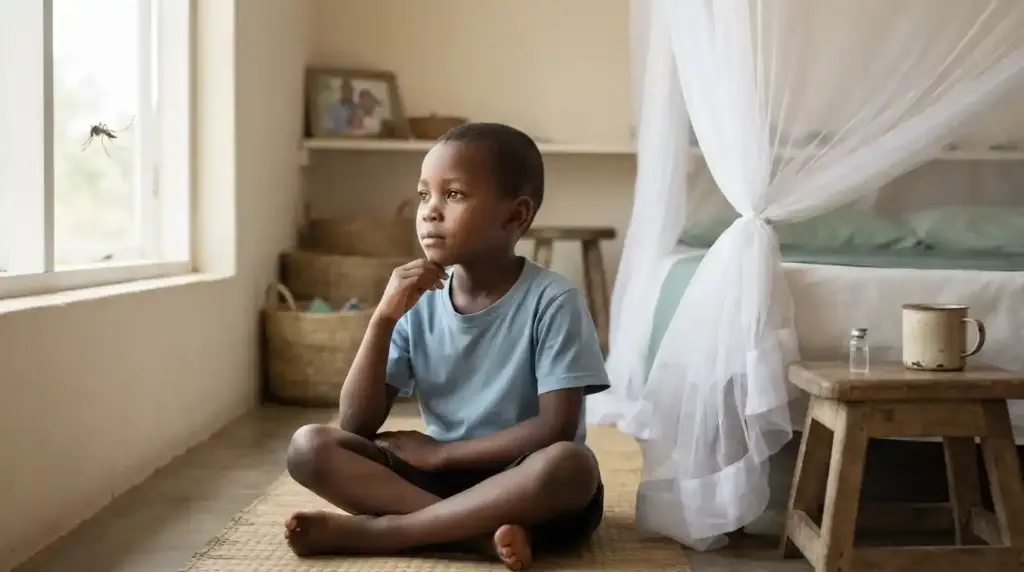
Malaria has been one of humanity’s oldest enemies. For generations, the battle has relied on mosquito nets, insecticides, environmental management, preventive medicines, and effective treatment. These interventions have saved countless lives, yet malaria continues to cause enormous illness and death, particularly among young children in sub-Saharan Africa. In 2024 alone, an estimated 282 million malaria cases and 610,000 deaths occurred worldwide. The challenge is made more difficult by insecticide resistance in mosquitoes, drug resistance in malaria parasites, and the complex biology of the parasite itself. Now, a new weapon has joined the fight: the malaria vaccine. It does not eliminate mosquitoes or replace existing prevention methods. Instead, it adds another layer of protection by preparing the immune system to recognize and fight the malaria parasite before it causes serious disease.
| Statistic | Figure |
|---|---|
| Global malaria cases (2024) | 282 million |
| Global malaria deaths (2024) | 610,000 |
| Share of global malaria deaths in the WHO African Region | 95% |
| African children who died from malaria (2024) | 438,000 |
| African countries with malaria vaccines in routine immunization by 2026 | 25 |
What Is a Malaria Vaccine?
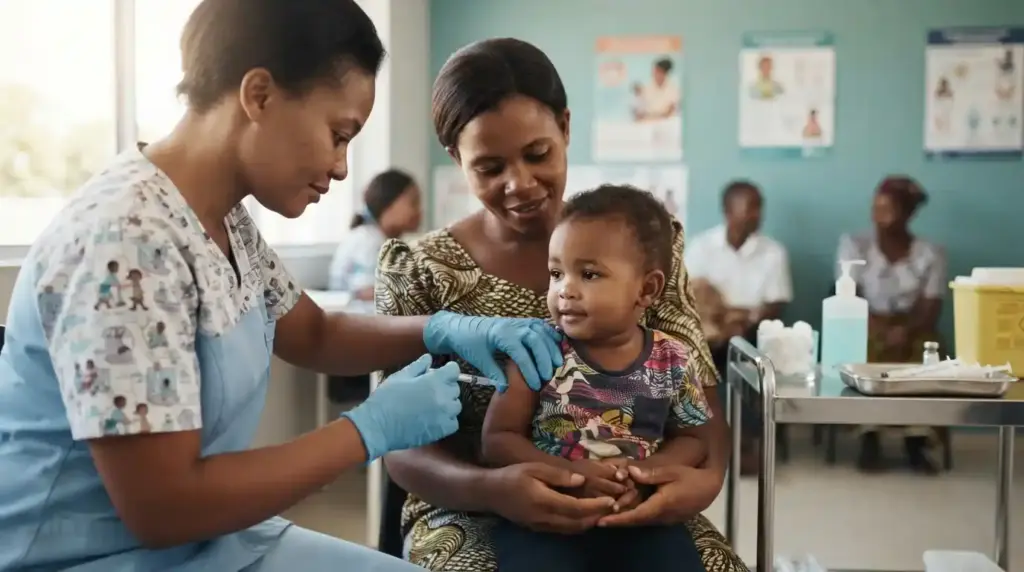
A malaria vaccine is a vaccine designed to train the immune system to recognize components of the malaria parasite and mount a protective response against it.
Malaria is caused by parasites belonging to the genus Plasmodium. These parasites are transmitted to humans through the bites of infected female Anopheles mosquitoes.
Unlike most commonly known vaccines, which target viruses or bacteria, malaria vaccines target a parasite, a more complex organism with several developmental stages and different forms during its life cycle.
The two malaria vaccines currently recommended by the World Health Organization (WHO), RTS,S/AS01 and R21/Matrix-M, target Plasmodium falciparum, the deadliest malaria parasite and the species responsible for most malaria deaths worldwide.
These vaccines are primarily intended to reduce malaria illness, severe disease, hospital admissions, and deaths among children living in malaria-endemic areas. They do not provide complete protection against infection.
Why Was a Malaria Vaccine So Difficult to Develop?
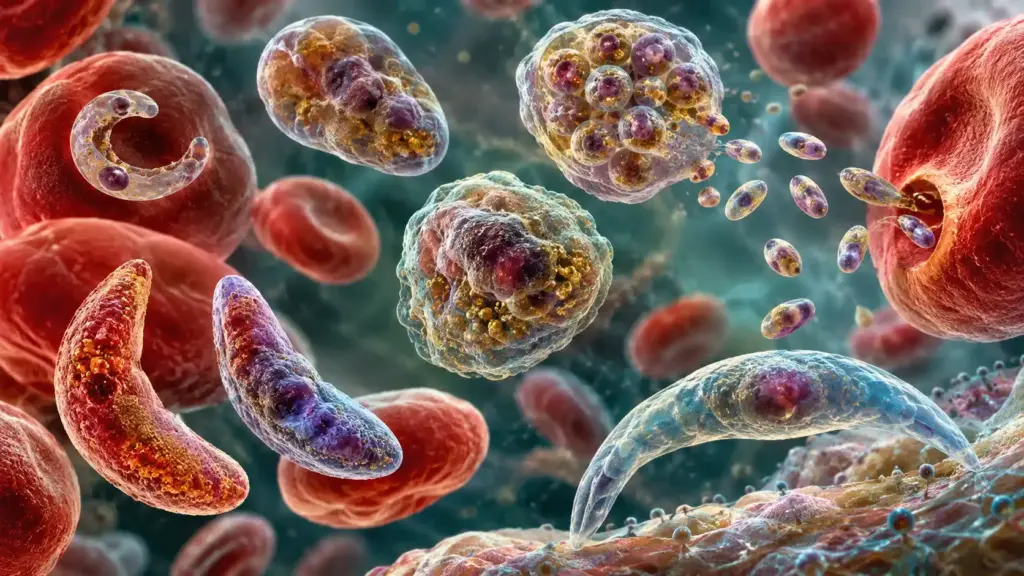
Developing a malaria vaccine has been particularly challenging because the parasite has a complicated life cycle and changes its form as it moves between mosquitoes and humans.
When an infected mosquito bites a person, it injects malaria parasites called sporozoites into the skin. These enter the bloodstream and travel to the liver, where they invade liver cells and multiply.
The parasites eventually leave the liver and enter the bloodstream, where they invade red blood cells. Their multiplication inside these cells causes the symptoms associated with malaria, including fever, chills, headaches, and other complications.
At each stage, the parasite displays different proteins and interacts with the immune system in different ways.
This creates several challenges:
- The parasite has multiple developmental stages, each presenting different potential vaccine targets.
- It can evade or modify immune responses.
- Immunity acquired after repeated natural infections is incomplete and does not reliably prevent future malaria.
- Protection against one parasite stage may not prevent infection at another stage.
The first WHO-recommended malaria vaccine took decades of research to develop. Its arrival was a major scientific achievement, even though the protection it provides is not complete.
Understanding the Malaria Parasite’s Life Cycle
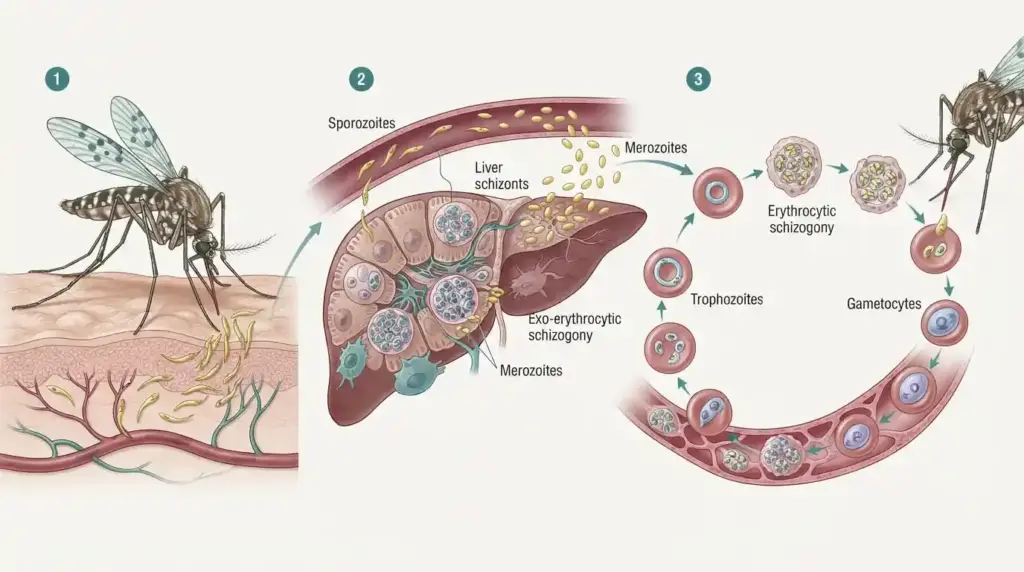
Understanding the parasite’s life cycle helps explain how malaria vaccines work.
The malaria parasite moves between two hosts: humans and mosquitoes.
1. Transmission through a mosquito bite
An infected female Anopheles mosquito injects sporozoites into a person while feeding on blood.
2. Infection of the liver
The sporozoites travel to the liver and enter liver cells, where they multiply.
3. Release into the bloodstream
The infected liver cells release merozoites, which enter the bloodstream.
4. Infection of red blood cells
Merozoites invade red blood cells and multiply. Repeated destruction of these cells contributes to the symptoms and complications of malaria.
5. Transmission back to mosquitoes
Some parasites develop into sexual forms called gametocytes. When another mosquito feeds on the infected person, it can ingest these forms and continue the transmission cycle.
The current malaria vaccines target the parasite before it reaches the blood stage, particularly during the sporozoite stage.
This early intervention helps explain why vaccination can reduce the risk of malaria illness without necessarily preventing every infection.
The malaria parasite has a two-host life cycle involving humans and female Anopheles mosquitoes. After an infected mosquito bites a person, the parasites first travel to the liver, where they multiply before entering the bloodstream and infecting red blood cells. When another mosquito feeds on the infected person, it can pick up the parasite and continue the transmission cycle.
The Two WHO-Recommended Malaria Vaccines
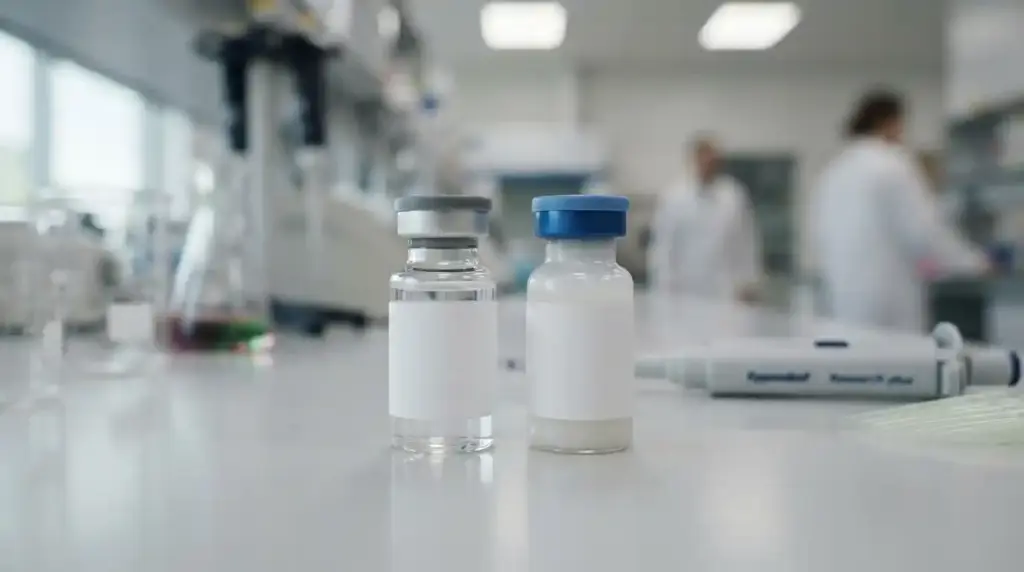
The WHO currently recommends two malaria vaccines for children living in malaria-endemic areas, prioritizing locations where malaria transmission is moderate or high.
Both vaccines target Plasmodium falciparum and are designed to reduce malaria illness and its consequences in young children.
RTS,S/AS01 (Mosquirix)
RTS,S/AS01, commonly known by its brand name Mosquirix, was the first malaria vaccine to receive a WHO recommendation.
The vaccine targets the circumsporozoite protein (CSP), a protein found on the surface of the malaria parasite during its sporozoite stage.
It helps the immune system produce antibodies that recognize this protein and generate an immune response against the parasite before it establishes infection in the liver.
The vaccine underwent extensive clinical development and was subsequently evaluated through a large-scale pilot implementation programme in Ghana, Kenya, and Malawi.
The results demonstrated meaningful public health benefits, including reductions in severe malaria and child deaths among populations eligible for vaccination.
RTS,S was a historic breakthrough because it demonstrated that vaccination against a complex human parasite could provide meaningful protection at population level.
R21/Matrix-M
R21/Matrix-M is the second malaria vaccine recommended by WHO. It also targets the circumsporozoite protein of Plasmodium falciparum.
Like RTS,S, it is designed to stimulate an immune response against the parasite during its earliest stage in the human body.
The Matrix-M component is an adjuvant – a substance added to a vaccine to strengthen the immune response it produces.
Clinical trials conducted in several African countries demonstrated substantial protection against clinical malaria, with efficacy varying according to transmission patterns and the study population.
In a phase 3 trial, R21 demonstrated approximately 75% efficacy against clinical malaria over 12 months at seasonal-transmission sites and 68% at standard-transmission sites.
An important advantage of R21 is its potential for large-scale manufacturing, which can support wider vaccine availability in malaria-endemic countries.
However, it is important not to conclude that R21 is superior to RTS,S. The two vaccines have not been compared in a direct head-to-head clinical trial.
- WHO recommends both RTS,S/AS01 and R21/Matrix-M for preventing P. falciparum malaria in children living in malaria-endemic areas.
- Both vaccines reduced malaria cases by more than 50% during the first year after vaccination in phase 3 clinical trials.
- Their efficacy varies with transmission patterns, vaccination schedules, and the outcome being measured.
- Seasonal administration in highly seasonal transmission settings can provide approximately 75% protection against malaria cases during the first year.
- A subsequent dose helps prolong protection.
- Vaccines provide the greatest public health benefit when combined with other malaria prevention, diagnosis, and treatment interventions.
How Does the Malaria Vaccine Work?
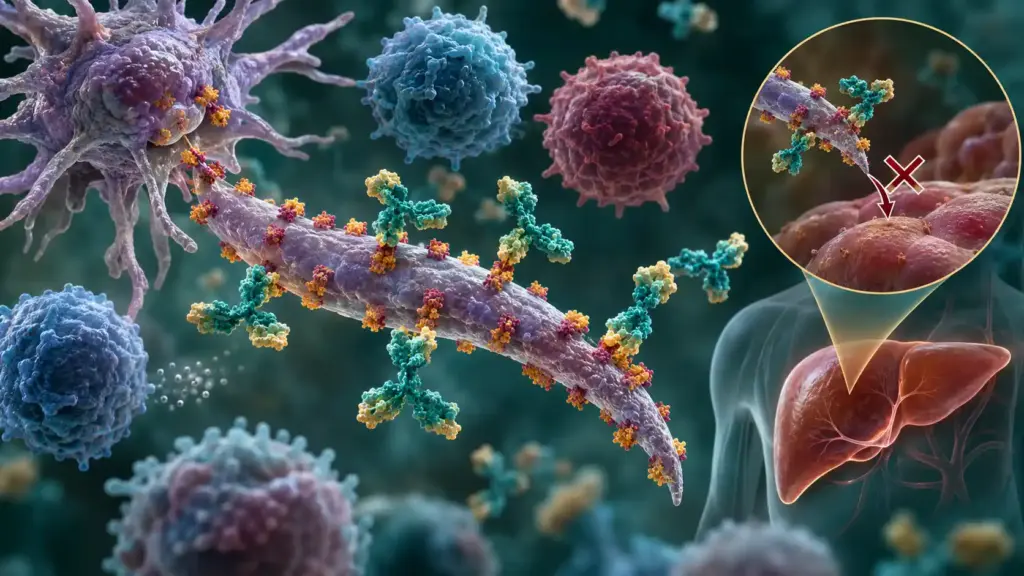
Both WHO-recommended malaria vaccines target the circumsporozoite protein (CSP), which is found on the surface of the malaria parasite during its sporozoite stage.
After vaccination, the immune system produces antibodies that recognize this protein. The vaccines also stimulate other immune responses that contribute to protection.
When an infected mosquito subsequently bites a vaccinated person, the immune system may recognize and attack the invading sporozoites before they successfully establish infection in the liver.
Some parasites may still escape this immune response. However, reducing the number that successfully establish infection can lower the likelihood of developing malaria disease.
This is an important distinction: the vaccines do not necessarily prevent every parasite from entering the body, but they help reduce the risk and burden of malaria illness.
Who Should Receive the Malaria Vaccine?
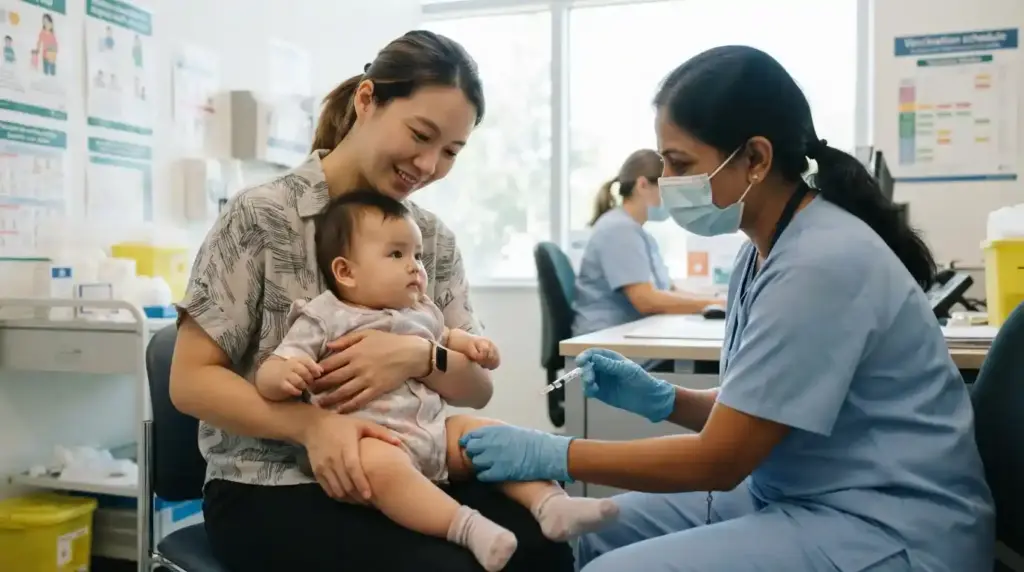
WHO recommends malaria vaccination primarily for children living in malaria-endemic areas, prioritizing locations with moderate to high Plasmodium falciparum transmission.
The WHO-prequalified vaccines are intended for childhood immunization, with the vaccination program generally beginning at around five months of age.
The standard WHO-recommended schedule is four doses, with at least four weeks between doses. The fourth dose is generally given 6–18 months after the third dose to prolong protection.
A fifth dose, given one year after the fourth, may be considered in areas where malaria transmission is highly seasonal or where children remain at significant risk beyond the third year of life.
The timing and delivery strategy may differ according to local malaria transmission patterns. Countries can use age-based, seasonal, or hybrid vaccination approaches.
Importantly, WHO’s September 2026 malaria guideline update also addresses three-dose versus four-dose vaccination schedules in areas with perennial transmission. National immunization authorities should therefore follow the latest applicable WHO guidance and their country’s adopted schedule rather than assume that every program uses an identical regimen.
Completing the recommended vaccination schedule is important because protection can decline over time.
The later dose or doses help extend protection beyond the initial vaccination period. Families should follow the schedule provided by their national immunization program and attend all recommended appointments.
Malaria vaccines are currently recommended as a childhood public health intervention. They are not routinely recommended by WHO for adults, pregnant women, or international travelers.
How Effective Are Malaria Vaccines?
No malaria vaccine currently provides complete protection.
However, vaccine effectiveness should not be judged only by whether a vaccinated child ever develops malaria.
The important question is whether vaccination reduces the likelihood of illness, severe complications, hospital admission, and death.
In the phase 3 trial of R21/Matrix-M, vaccine efficacy against clinical malaria over 12 months was approximately:
These figures describe protection against clinical malaria in the specific trial settings. They should not be interpreted as universal estimates of protection against every malaria outcome.
WHO reports that both RTS,S and R21 reduced malaria cases by more than 50% during the first year after vaccination in their phase 3 trials. When administered seasonally in highly seasonal transmission settings, both can reduce malaria cases by approximately 75% during the first year.
RTS,S has also demonstrated substantial protection in real-world implementation. An independent evaluation of its pilot introduction in Ghana, Kenya, and Malawi found a 13% reduction in mortality among children eligible for vaccination, alongside substantial reductions in hospitalizations for severe malaria.
This is particularly important because it demonstrates that malaria vaccination can save lives even when it does not prevent every infection.
Clinical trials have shown that both RTS,S and R21 can substantially reduce malaria episodes in vaccinated children, particularly during the first year after vaccination. WHO reports that both vaccines reduced malaria cases by more than 50% in the first year of the phase 3 trials. In highly seasonal transmission settings, protection can reach approximately 75% when vaccination is delivered seasonally alongside seasonal malaria chemoprevention. Separately, the RTS,S pilot introduction in Ghana, Kenya, and Malawi was associated with a 13% reduction in all-cause mortality among age-eligible children.
These results come from different study designs and settings and should not be interpreted as a direct comparison of the two vaccines.
Are Malaria Vaccines Safe?
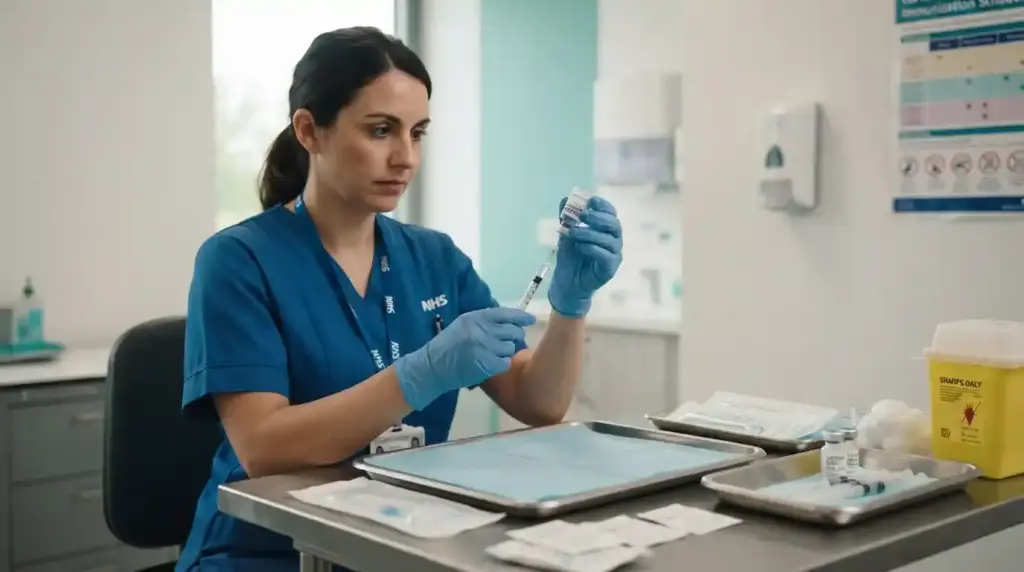
Yes. Both RTS,S/AS01 and R21/Matrix-M have undergone extensive clinical evaluation and are recommended by WHO following assessments of their safety and effectiveness.
Both vaccines have also received WHO prequalification, which supports their procurement and use in international immunization programs.
Safety monitoring has continued after their introduction into routine immunization programs.
As with other vaccines, some children experience temporary side effects as the immune system responds to vaccination.
Common Side Effects
Reported side effects include:
- Pain, redness, or swelling at the injection site.
- Fever.
- Irritability.
- Tiredness.
- Reduced appetite.
Most reported reactions are mild or temporary.
Serious adverse events are uncommon, and continued pharmacovigilance helps health authorities identify and investigate potential safety concerns.
| MYTH | Fact |
|---|---|
| The malaria vaccine gives children malaria. | RTS,S and R21 do not contain live malaria parasites capable of causing malaria. They cannot give a child malaria. |
| Children who receive the malaria vaccine no longer need mosquito nets. | Vaccination does not prevent every malaria infection. Insecticide-treated mosquito nets remain important. |
| A child who develops malaria after vaccination means the vaccine has failed. | The vaccines provide incomplete protection. A vaccinated child can still develop malaria, but vaccination reduces the risk and burden of malaria illness and its potentially severe consequences. |
| The malaria vaccine replaces antimalarial medicines. | Vaccination does not replace malaria testing or treatment. Suspected malaria still requires prompt assessment and appropriate care. |
The WHO-recommended malaria vaccines, RTS,S/AS01 and R21/Matrix-M, have undergone clinical evaluation and safety monitoring during their introduction into routine immunization programs. Common reactions include fever, pain or swelling at the injection site, irritability, and reduced appetite. These reactions are generally mild to moderate and resolve without lasting effects. As with all vaccines, continued safety monitoring is important, and caregivers should seek medical assessment if a child develops severe or unusual symptoms after vaccination.
The Global Rollout of Malaria Vaccines: Progress, Access and Challenges
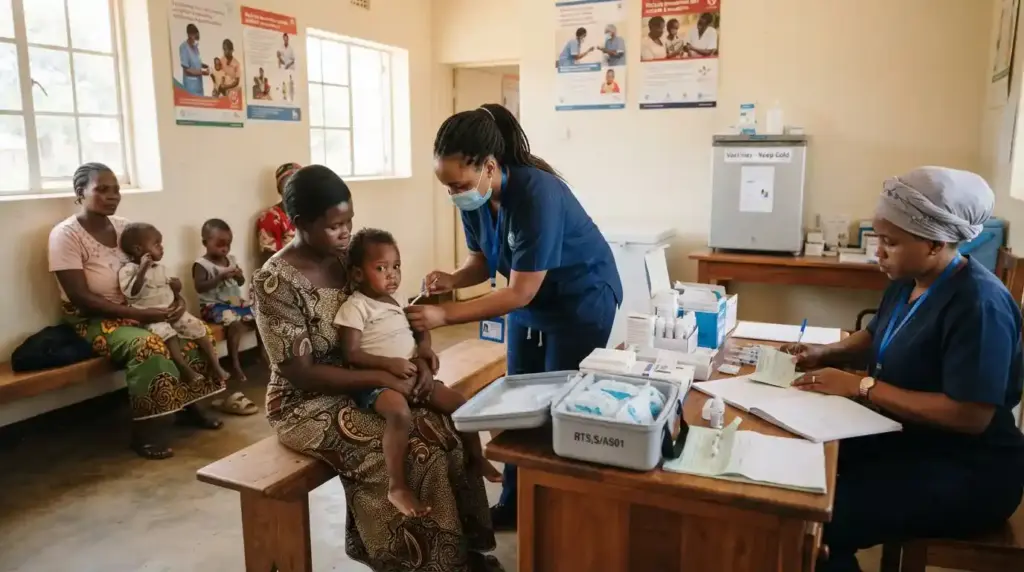
Malaria is a global disease, but its burden is not evenly distributed.
According to WHO estimates, malaria caused approximately 282 million cases and 610,000 deaths worldwide in 2024. The WHO African Region accounted for approximately 94% of cases and 95% of deaths. About 438,000 African children died from malaria during that year.
Although Africa carries the heaviest burden, malaria remains endemic in parts of Asia, the Americas, and the Western Pacific. The disease affects countries with different transmission patterns, healthcare resources, and public health priorities.
The introduction of RTS,S and R21 therefore represents an important development for malaria-endemic countries worldwide, even though their large-scale implementation has so far been concentrated in Africa.
From Clinical Trials to Routine Immunization
The first large-scale pilot implementation of RTS,S began in Ghana, Kenya, and Malawi in 2019 through the WHO-coordinated Malaria Vaccine Implementation Program.
The program provided important evidence about vaccine safety, effectiveness, public acceptance, and the practical challenges of delivering multiple doses through routine childhood immunization services.
Following WHO‘s recommendations for RTS,S and R21, additional countries began introducing malaria vaccination into their national immunization program.
By 2026, 25 African countries had introduced malaria vaccines into routine immunization program with support from Gavi, the Vaccine Alliance. More than 10 million children are targeted annually for vaccination across these countries.
The countries include:
- West Africa: Benin, Burkina Faso, Côte d’Ivoire, Guinea, Guinea-Bissau, Liberia, Mali, Niger, Nigeria, Sierra Leone, and Togo.
- Central Africa: Cameroon, Central African Republic, Chad, and the Democratic Republic of the Congo.
- East and Horn of Africa: Ethiopia, South Sudan, Sudan, Burundi and Uganda.
- Southern and southeastern Africa: Malawi, Mozambique, and Zambia.
- Additional early implementation countries: Ghana and Kenya.
These programs demonstrate that malaria vaccination can be incorporated into national childhood immunization systems, although the scale and geographic coverage differ between countries.
What About Other Malaria-Endemic Regions?
The WHO recommendations are not restricted to African countries. They apply to children living in malaria-endemic areas where vaccination is considered appropriate, particularly locations with moderate or high P. falciparum transmission.
Countries in the Americas, South-East Asia, the Eastern Mediterranean, and the Western Pacific also face malaria-related public health challenges. However, the malaria species responsible for infection, transmission intensity, and population risk vary considerably between regions.
The two currently recommended vaccines target P. falciparum. Their use must therefore be considered in the context of the malaria species circulating in each country.
For example, Plasmodium vivax is an important cause of malaria in parts of South and South-East Asia and the Americas. RTS,S and R21 are not designed to protect against this species.
As of November 2026, the major routine rollout of these two vaccines remains concentrated in Africa. Wider adoption elsewhere will depend on local epidemiology, national policy decisions, vaccine supply, affordability, health-system capacity, and the expected public health benefit.
This distinction matters: a WHO recommendation establishes a basis for countries to consider and implement vaccination; it does not mean that every malaria-endemic country has already introduced the vaccine.
The Challenge of Reaching Every Eligible Child
Introducing a vaccine is only the first step. Ensuring that children receive all recommended doses is equally important.
Vaccine programmes must address:
- Reliable procurement and distribution.
- Adequate cold-chain storage.
- Trained healthcare workers.
- Access for children in remote and underserved communities.
- Public awareness and confidence.
- Follow-up systems that support completion of the vaccination schedule.
- Sustainable funding.
The experience of the initial pilot programs also demonstrated that later-dose coverage can be lower than first-dose coverage. Maintaining continuity of immunization is therefore essential.
The global rollout of malaria vaccines is not simply a matter of delivering more doses. Its success will depend on reaching the children who need protection and ensuring that they receive the appropriate vaccination schedule.
Malaria vaccination has moved beyond clinical trials into routine childhood immunization programs. By January 2026, 25 African countries had introduced malaria vaccines with Gavi support, with more than 39 million doses delivered. The rollout represents a major expansion of malaria prevention, although access, vaccine supply, delivery capacity, and reaching eligible children remain important challenges.
Why Mosquito Nets and Other Prevention Measures Still Matter
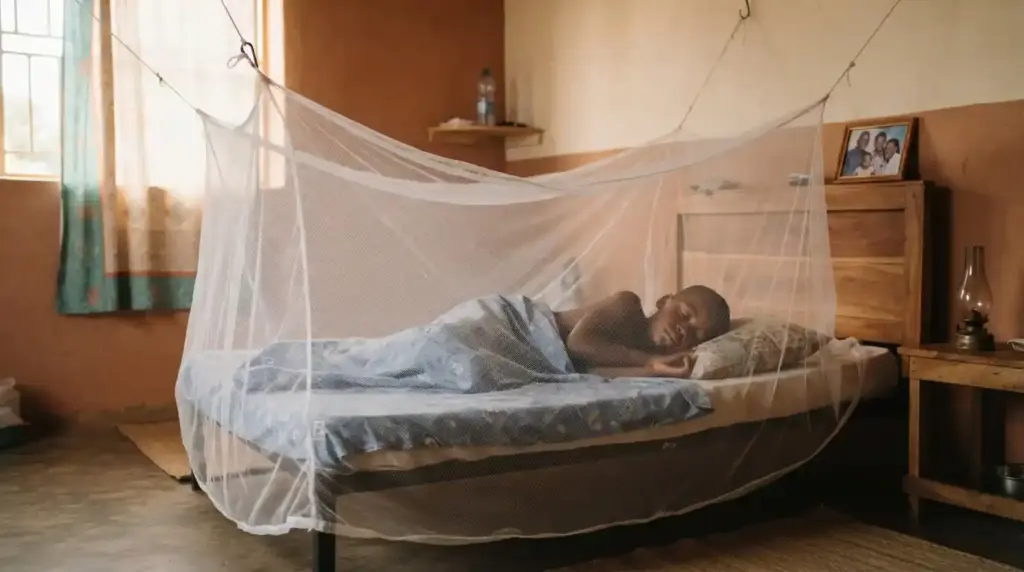
Malaria vaccination is an important addition to existing prevention strategies, not a replacement for them.
Different interventions protect against malaria in different ways.
- Insecticide-treated mosquito nets: Reduce exposure to infected mosquitoes, particularly while sleeping.
- Indoor residual spraying: Uses insecticides on indoor surfaces to reduce mosquito populations.
- Environmental management: Helps reduce suitable mosquito breeding sites where practical and appropriate.
- Seasonal malaria chemoprevention: Provides preventive antimalarial medicines to eligible children in areas where seasonal transmission makes this strategy appropriate.
- Other preventive medicines: Intermittent preventive treatment and other preventive chemotherapy strategies are used for specific groups according to WHO and national recommendations.
- Prompt testing: Helps identify malaria early and distinguish it from other causes of fever.
- Effective treatment: Prevents uncomplicated malaria from progressing and helps reduce complications and deaths.
Together, these interventions provide stronger protection than any single measure can achieve.
This integrated approach is central to modern malaria control.
Malaria vaccination does not provide complete or lifelong protection. A vaccinated child can still become infected, develop severe malaria, or require hospital care. Vaccination must therefore remain part of an integrated prevention strategy that includes insecticide-treated mosquito nets, indoor residual spraying where appropriate, seasonal malaria chemoprevention or other recommended preventive medicines, prompt testing of suspected cases, and effective treatment. Completing the vaccine schedule should never be treated as a reason to abandon these measures.
Challenges and Limitations of Malaria Vaccines
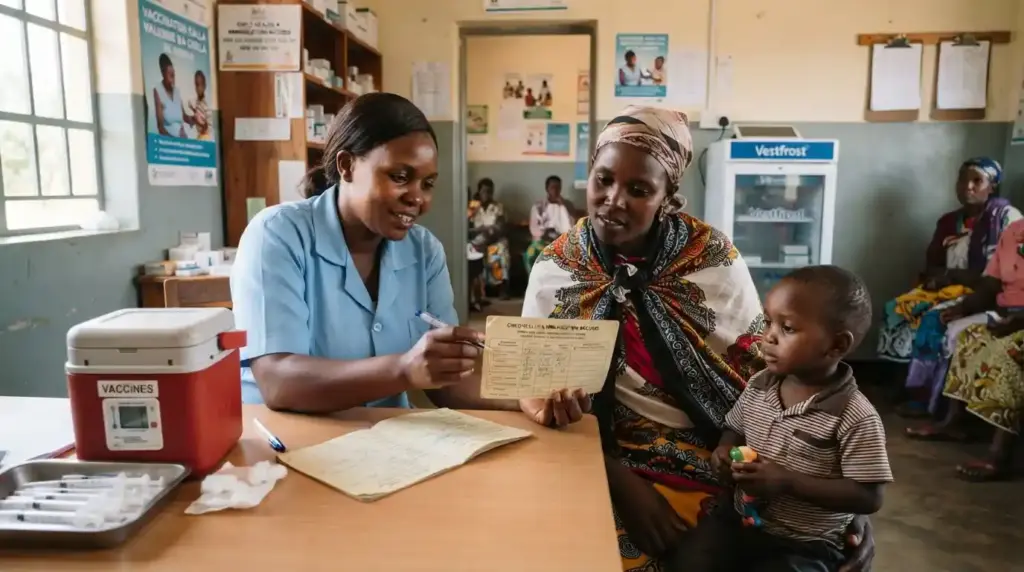
Despite their importance, malaria vaccines have limitations that must be understood.
1. Protection is incomplete
Vaccinated children can still become infected and develop malaria. Other preventive measures remain necessary.
2. Multiple doses are required
Vaccination involves a multidose schedule. Maintaining follow-up and ensuring that children receive the required doses can be challenging, especially in areas with limited healthcare access.
3. Protection can decline over time
Immune protection is not necessarily permanent. Additional doses may be needed to maintain protection, depending on the vaccination schedule and local malaria risk.
4. Access and supply remain challenges
Vaccine introduction requires manufacturing capacity, reliable supply chains, cold-chain infrastructure, trained health workers, funding, and public acceptance.
5. Current vaccines target one malaria species
Both currently recommended vaccines target Plasmodium falciparum. They are not designed to protect against every malaria parasite species, including Plasmodium vivax.
6. Different regions have different malaria patterns
A vaccination strategy that works well in an area with intense seasonal transmission may not be the most suitable approach in a location with year-round transmission or a different dominant malaria species.
National programmes must adapt implementation to local epidemiology and healthcare capacity.
Although malaria vaccines represent an important advance, several limitations remain. Current WHO-recommended vaccines target P. falciparum and do not protect against other malaria-causing species such as P. vivax. Protection is also incomplete and may require additional doses to maintain it.
Important areas of research include:
- Developing vaccines that provide longer-lasting protection.
- Improving protection against different malaria parasite species.
- Exploring vaccine approaches for older populations and other groups.
- Developing vaccines that target additional stages of the parasite’s life cycle.
- Understanding how best to combine vaccination with other malaria interventions.
- Improving the delivery and completion of multidose vaccination schedules.
Research into these areas may eventually broaden the protection available against malaria.
What Does the Future Hold for Malaria Vaccines?
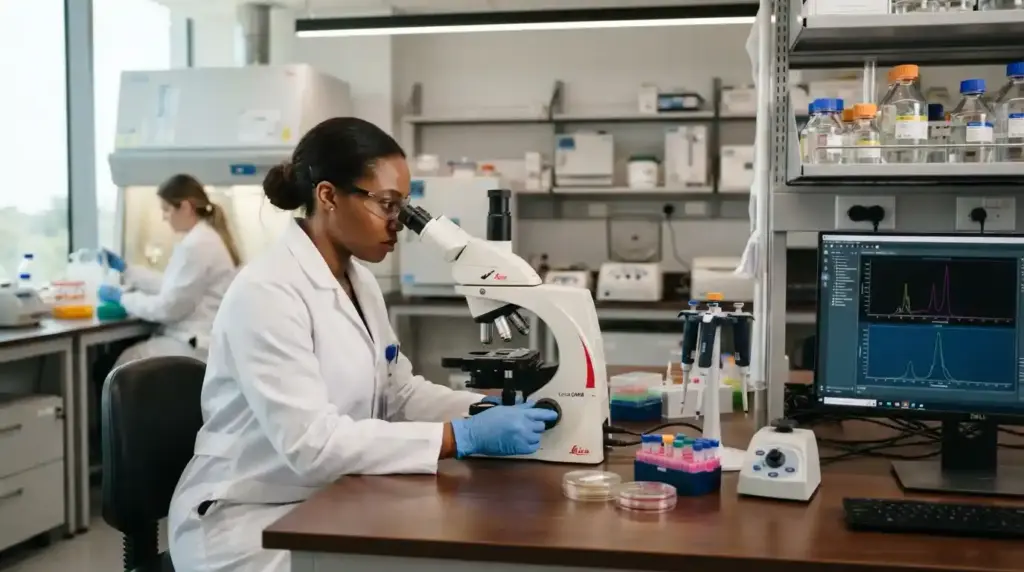
The development of RTS,S and R21 has changed the possibilities for malaria prevention.
However, the next stage of progress will depend on more than vaccine discovery.
Researchers are exploring new vaccine candidates and approaches that may produce stronger, broader, or longer-lasting immunity. Some approaches aim to target different stages of the parasite’s life cycle, while others seek to improve immune responses against existing vaccine targets.
The long-term goal is to develop vaccines that can prevent more infections, provide more durable protection, and potentially protect against additional malaria parasite species.
There is also a need to improve access to existing vaccines, strengthen routine immunization systems, and ensure that children complete their recommended schedules.
For now, the greatest immediate opportunity lies in using the available vaccines effectively while continuing to improve other malaria prevention and treatment strategies.
Practical Ways to Protect Children and Families
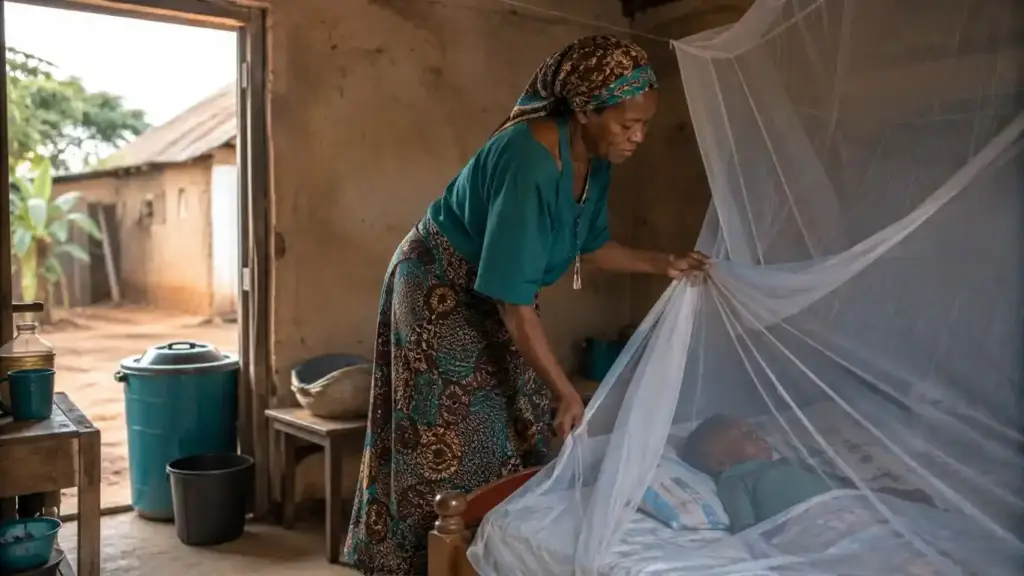
Even where malaria vaccines are available, families should continue using established malaria prevention measures.
Practical steps include:
- Ensure eligible children receive malaria vaccination according to the national immunization schedule.
- Attend all recommended vaccination appointments.
- Make sure children sleep under insecticide-treated mosquito nets.
- Reduce mosquito breeding opportunities around homes through appropriate environmental management.
- Seek prompt medical assessment when a child develops a fever or other symptoms suggestive of malaria.
- Ensure suspected malaria is properly tested and confirmed where testing is available.
- Complete prescribed antimalarial treatment according to the healthcare provider’s instructions.
- Follow local recommendations on seasonal malaria chemoprevention where applicable.
- Travelers visiting malaria-endemic areas should seek destination-specific advice on mosquito protection and recommended preventive medicines.
Think of malaria prevention like wearing a seat belt and having airbags in a vehicle. Neither replaces the other; together, they offer greater protection. In the same way, vaccination and mosquito control work best as complementary interventions.
Parents and caregivers should:
- Ensure eligible children receive malaria vaccination according to their country’s recommended schedule.
- Continue using insecticide-treated mosquito nets, even after vaccination.
- Follow local guidance on additional preventive medicines, particularly in areas with seasonal malaria transmission.
- Seek prompt medical assessment and malaria testing when a child develops a fever or other concerning symptoms.
- Never assume that vaccination rules out malaria or that a vaccinated child cannot develop severe disease.
Frequently Asked Questions
Can adults receive the malaria vaccine?
Current WHO recommendations focus on children living in malaria-endemic areas. Routine vaccination of adults is not currently part of these recommendations.
Does the malaria vaccine stop mosquito bites?
No. The vaccine targets the malaria parasite, not the mosquito. Vaccinated people can still be bitten by mosquitoes.
Is the malaria vaccine available everywhere?
No. Although WHO recommends malaria vaccination for eligible children in malaria-endemic areas, routine implementation has so far been concentrated in Africa. Availability depends on national immunization programs, vaccine supply, funding, and local implementation decisions.
How many doses of the malaria vaccine does a child need?
The standard WHO-recommended schedule is four doses, beginning at around five months of age. The timing of later doses and the possible use of additional doses depend on local transmission patterns and the latest WHO and national recommendations. WHO‘s 2026 guideline update also addresses three-dose versus four-dose schedules in areas with perennial transmission.
Can the malaria vaccine protect against all types of malaria?
No. RTS,S and R21 target Plasmodium falciparum. They are not designed to protect against other malaria parasite species such as Plasmodium vivax.
Can travelers receive the malaria vaccine before visiting an endemic country?
The current WHO malaria vaccine recommendations are directed at childhood immunization in malaria-endemic areas, not routine vaccination of international travelers. Travelers should seek advice about destination-specific malaria prevention, including mosquito avoidance and appropriate preventive medicines.
Malaria remains one of the world’s most significant infectious disease challenges. Although its burden is concentrated in Africa, it affects communities across several regions of the world and continues to threaten children, particularly those under five years of age.
In 2024, an estimated 282 million people developed malaria and approximately 610,000 died. The WHO African Region accounted for about 95% of global malaria deaths, with children bearing a disproportionate share of the burden.
The introduction of malaria vaccines provides an important opportunity to reduce illness, prevent severe disease, and save lives. Their value extends beyond individual protection: when vaccination reaches large numbers of eligible children, it can contribute meaningfully to national and regional malaria control efforts.
But vaccines alone cannot win the battle. Sustained progress requires reliable immunization services, mosquito control, preventive medicines where appropriate, prompt diagnosis, effective treatment, continued research, and investment in health systems.
For malaria-endemic countries across Africa and beyond, the challenge is to translate scientific progress into equitable access and lasting public health impact.
- Malaria vaccines are a major breakthrough in infectious disease prevention.
- WHO recommends two vaccines: RTS,S/AS01 and R21/Matrix-M.
- Both vaccines target Plasmodium falciparum and primarily protect children against malaria disease.
- Vaccination reduces clinical malaria and helps prevent severe disease and death, but does not provide complete protection.
- The standard WHO-recommended schedule is four doses, although the 2026 guidelines address alternative schedules in certain settings.
- In 2024, malaria caused an estimated 282 million cases and 610,000 deaths worldwide.
- By 2026, 25 African countries had introduced malaria vaccines into routine immunization programs.
- The current large-scale rollout is concentrated in Africa, although WHO recommendations apply to eligible children in malaria-endemic areas globally.
- Malaria vaccination does not replace mosquito nets, preventive medicines, testing, or effective treatment.
- Wider access and completion of vaccination schedules are essential to achieving the greatest public health benefit.
Bottom Line
The malaria vaccine represents one of the most important advances in the fight against one of humanity’s oldest diseases. It is not a magic bullet, nor will it eliminate mosquitoes or make other preventive measures unnecessary. But it offers something that generations of malaria control efforts lacked: a way to prepare the immune system to fight the parasite before it causes serious disease.
Its significance extends beyond the countries currently introducing it. For malaria-endemic communities around the world, it represents a new opportunity to reduce the burden of a disease that has persisted for centuries.
Winning the mosquito war will require more than one weapon. Vaccines, mosquito control, preventive medicines, rapid diagnosis, effective treatment, and continued scientific innovation must work together. The malaria vaccine has given that fight a powerful new ally.



No comments yet
Be the first to share your thoughts, clinical perspective, or questions on this topic.