
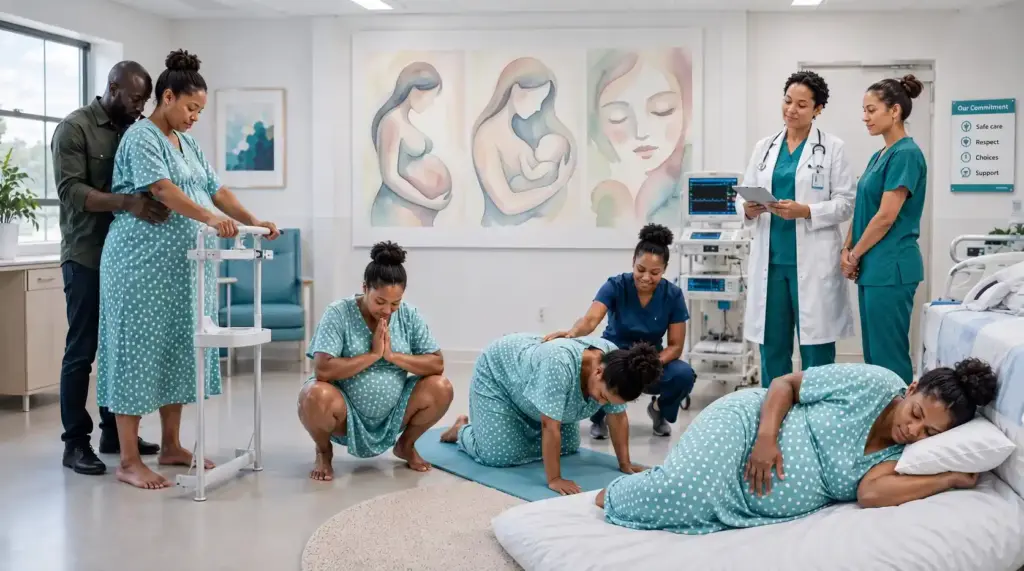
A woman in labor is ready to push. One nurse encourages her to lie back, while another suggests turning onto her side. Her family believes squatting is the most natural way to give birth, and a friend insists that water birth is the safest option. With so many opinions, it’s easy to wonder: What is the best birthing position?
Introduction
Choosing a birthing position is one of the many decisions expectant parents think about before labor begins. Some positions are believed to reduce pain, others are thought to shorten labor, and many are promoted online as the “natural” or “best” way to give birth.
The reality is more nuanced. Current evidence suggests that while certain birthing positions may improve comfort or support labor in uncomplicated pregnancies, there is no single best birthing position for every woman or every birth. The safest choice depends on the mother’s health, the baby’s condition, how labor is progressing, and whether medical intervention becomes necessary.
Understanding how different positions affect labor and where their benefits and limitations lie, can help expectant parents make informed decisions while remaining flexible if circumstances change. The goal is not to achieve the “perfect” birth position but to achieve the safest possible outcome for both mother and baby.
What is the best birthing position?
There is no single best birthing position for every woman. Current evidence suggests that upright and mobile positions may improve comfort and help labor progress during uncomplicated labor. However, the safest position depends on the mother’s condition, the baby’s well-being, the stage of labor, and whether medical assistance is needed. The goal is not to find one “perfect” position, it is to deliver both mother and baby safely.
How Birth Actually Happens
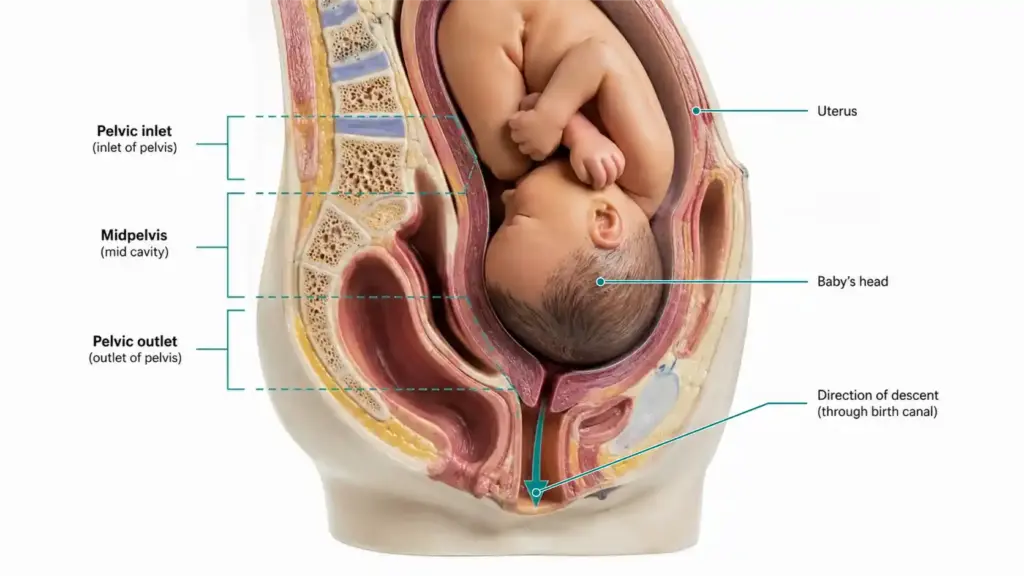
Before comparing different birthing positions, it helps to understand how labor works.
Childbirth is not simply the baby moving downward until delivery. It is a carefully coordinated process involving the uterus, cervix, pelvis, pelvic floor muscles, and the baby. During labor, regular uterine contractions gradually open the cervix while guiding the baby through the birth canal.
A birthing position can influence this process by affecting comfort, gravity, and the mechanics of labor, but it cannot replace the natural physiology of childbirth. Understanding this helps explain why one position may work well for one woman yet offer little advantage for another.
The Baby’s Journey Through the Birth Canal
As labor progresses, the baby makes a series of precise movements to pass through the mother’s pelvis. Obstetricians call these the cardinal movements of labor.
These movements include:
- Engagement
- Descent
- Flexion
- Internal rotation
- Extension
- External rotation
- Expulsion
Although the names sound technical, the concept is straightforward. The baby’s head and shoulders continuously adjust to fit through different parts of the pelvis, much like carefully turning a large piece of furniture to guide it through a narrow doorway.
These movements occur naturally in most pregnancies. A favorable birthing position may help them occur more efficiently, but it cannot overcome significant problems such as a baby lying sideways or a true mismatch between the baby’s size and the mother’s pelvis.
The baby’s position inside the uterus often has a greater influence on labor than the mother’s position outside it. A comfortable birthing position may support labor, but the baby must still successfully navigate the birth canal.
The Role of Gravity
Gravity is one reason upright birthing positions receive so much attention.
When a woman is standing, walking, kneeling, or squatting, gravity naturally assists the baby’s descent. This may improve comfort, encourage effective pushing, and help labor progress for some women.
However, gravity is only one part of the process.
Effective uterine contractions, a well-positioned baby, an adequately sized pelvis, and normal labor progression remain far more important than gravity alone. If these factors are unfavorable, simply changing position is unlikely to solve the problem.
Why Women Naturally Change Positions During Labor
Many people imagine labor as remaining in one position until the baby is born. In reality, women often change positions instinctively as labor progresses.
A woman may:
- walk during early labor
- lean forward during contractions
- kneel beside the bed
- squat while pushing
- rest on one side between contractions
- move onto her hands and knees to relieve back pain
These movements are usually a natural response to discomfort and changing labor dynamics.
Rather than encouraging women to remain in one position, modern maternity care increasingly supports movement throughout uncomplicated labor whenever it is safe to do so.
The best birthing position at one stage of labor may not be the best position later. Many women naturally change positions several times before giving birth.
Why There Is No Single Best Birthing Position
One of the most common misconceptions about childbirth is that there is one ideal position that guarantees an easier or safer birth.
Current evidence does not support this idea.
Instead, the progress and outcome of labor depend on several interacting factors. Obstetricians traditionally describe these as the three Ps:
- Passenger – the baby, including its size, position, and presentation.
- Passage – the mother’s pelvis and birth canal through which the baby must pass.
- Power – the strength, frequency, and coordination of uterine contractions.
Many clinicians also recognize a fourth factor:
- Position – the mother’s body position during labor and birth.
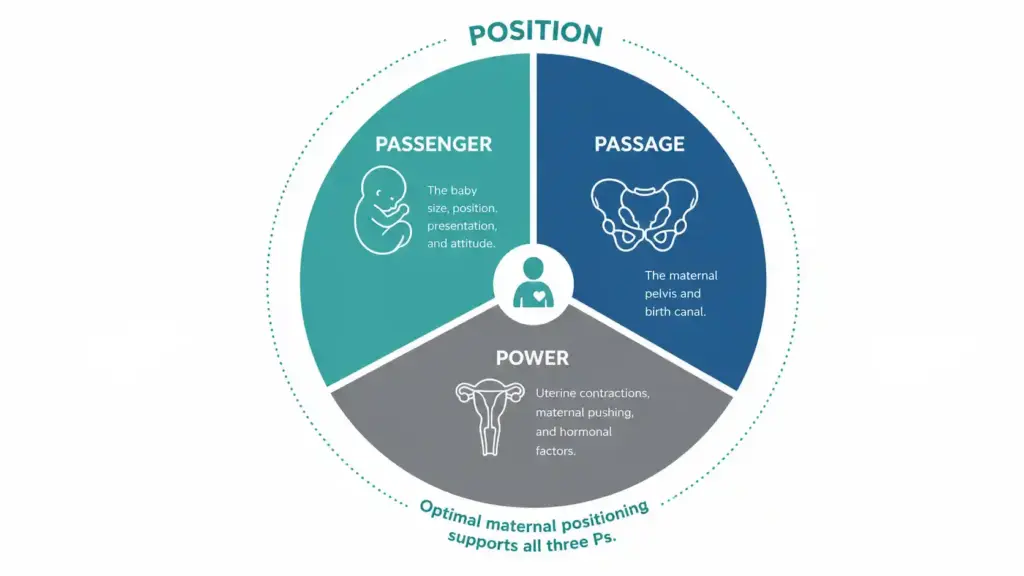
Unlike the first three factors, maternal position can usually be changed during labor. This makes it an important consideration in childbirth, but only one part of a much larger picture.
For example, a woman with effective contractions, a well-positioned baby, and a pelvis that allows the baby to pass may labor comfortably while standing or kneeling. Another woman in the same position may still require a cesarean section because her baby develops signs of distress or encounters an obstruction that prevents safe vaginal birth.
The passage matters, too. The maternal pelvis is not simply an opening through which the baby passes. Its shape, dimensions, and orientation influence the space available as the baby moves through the birth canal. The baby’s size, position, and ability to rotate and adjust its head as labor progresses also affect how easily it can pass through the pelvis. Changing maternal position may help in some circumstances, but it cannot overcome every anatomical obstacle or resolve every complication.
This is why modern obstetric care asks a different question.
Instead of asking:
“Which birthing position is always best?”
healthcare professionals ask:
“Which position is safest and most appropriate for this woman at this stage of labor?”
That question places the focus where it belongs: on individualized care rather than rigid rules.
Question: Is there one best birthing position?
What current evidence says: No. Evidence and clinical guidelines support individualized care and freedom to choose comfortable positions during uncomplicated labor rather than recommending one universal birthing position. The benefits of particular positions vary according to the stage of labor, the use of epidural analgesia, and the outcome being considered.
Obstetric textbooks traditionally describe four classic pelvic shapes: gynecoid, android, anthropoid, and platypelloid. These categories describe general patterns of pelvic anatomy, but individual pelves often have a mixture of features rather than fitting neatly into one category. Although pelvic anatomy can influence childbirth, these classifications alone cannot reliably predict whether a woman will have a straightforward vaginal birth. Modern obstetric care therefore considers the progress of labor, the baby’s position and descent, and the mother’s and baby’s clinical condition rather than relying on pelvic shape alone.
How Different Birthing Positions Compare
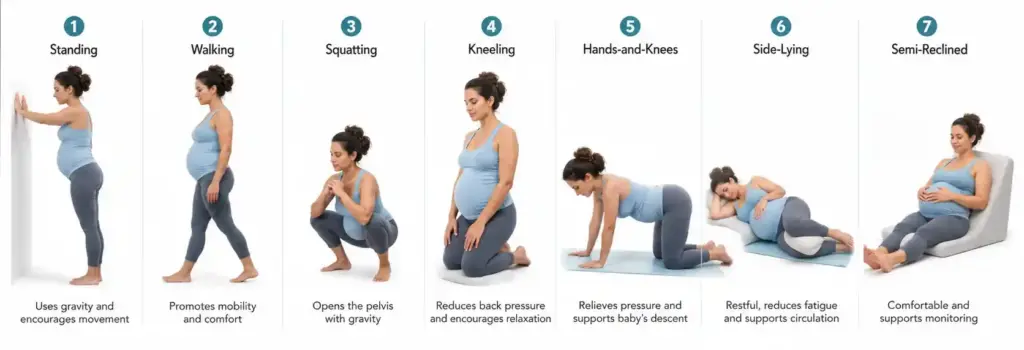
There is no single birthing position that is best for every woman or every stage of labor. Each position offers potential advantages and limitations depending on the mother’s comfort, the baby’s condition, how labor is progressing, and whether medical monitoring or interventions are required.
Current evidence suggests that healthy women with uncomplicated pregnancies generally benefit from freedom of movement and the ability to adopt positions that feel comfortable throughout labor. Rather than recommending one universal approach, healthcare professionals encourage women to choose positions that are both comfortable and safe.
The following sections compare the most commonly used birthing positions and what current evidence says about each one.
Standing and Walking
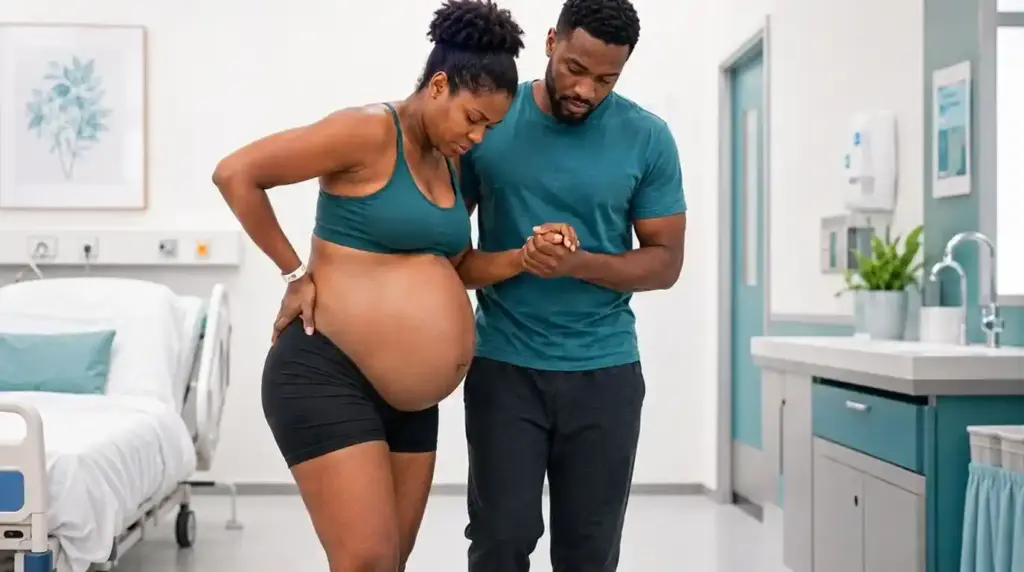
Standing and walking are most commonly used during the early and active stages of labor rather than during the actual birth.
Remaining upright allows gravity to assist the baby’s descent while encouraging mobility. Many women report feeling more comfortable when they are free to walk, sway, or lean on a support person during contractions.
Potential benefits include:
- Encouraging mobility throughout labor
- Helping gravity assist the baby’s descent
- Promoting comfort and a greater sense of control
- Allowing natural position changes during contractions
Walking may not be appropriate for everyone. Women receiving certain types of epidural anesthesia, those requiring continuous fetal monitoring, or those with pregnancy complications may need to remain closer to the bed for safety.
Current evidence supports encouraging mobility during uncomplicated labor whenever it is safe to do so.
Question: Does staying mobile during labor help?
What current evidence says: For women with uncomplicated labor, walking and adopting upright positions may improve comfort and shorten the first stage of labor. Evidence does not establish a general benefit from routinely restricting women to bed. Mobility should be encouraged when clinically appropriate, with positions adapted to the woman’s preferences, condition, and care needs.
Squatting
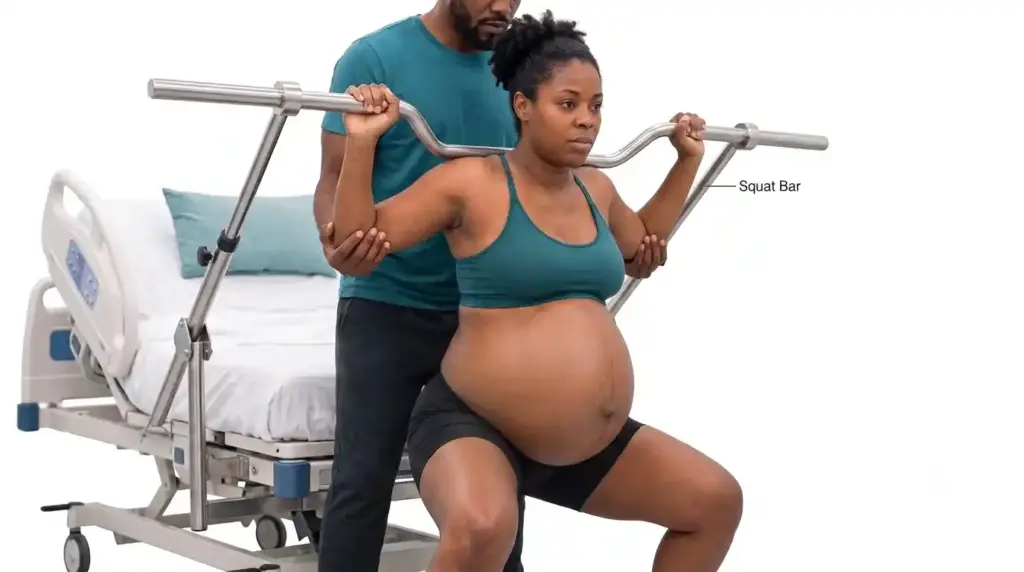
Squatting has been used during childbirth for thousands of years and remains common in many parts of the world.
This position naturally widens the pelvic outlet while allowing gravity to assist the baby’s descent during the pushing stage.
Potential advantages include:
- Increasing the diameter of the pelvic outlet
- Making pushing more effective for some women
- Taking advantage of gravity
- Encouraging active participation during birth
Squatting can also be physically demanding. Maintaining the position for long periods may be tiring, particularly during a prolonged labor. Women with epidural anesthesia or certain orthopedic conditions may find squatting difficult or unsafe.
Current evidence suggests that squatting can be a helpful option for selected women, but it is not the best birthing position for everyone.
If you are interested in squatting during labor, ask your healthcare provider whether your birth facility has birthing stools, squat bars, or other equipment that can provide additional support.
Kneeling and Leaning Forward
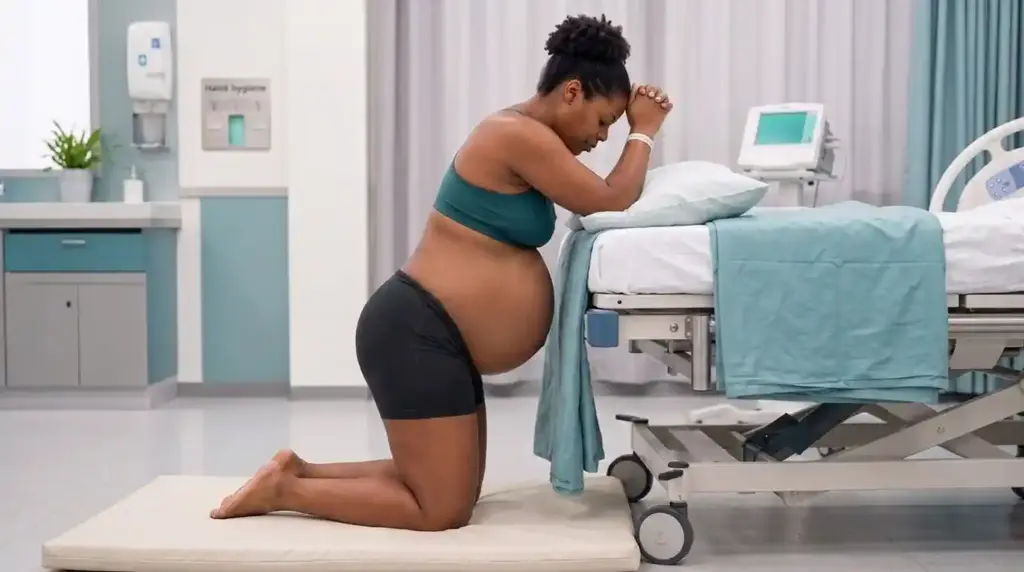
Many women instinctively lean over a bed, birthing ball, chair, or support person during contractions.
Forward-leaning positions may reduce pressure on the lower back and often feel more comfortable, especially for women experiencing back pain.
Potential benefits include:
- Reducing lower back discomfort
- Allowing the pelvis to move more freely
- Supporting relaxation during contractions
- Providing a comfortable alternative to lying down
These positions are widely used as comfort measures, although evidence that they consistently rotate a baby from an unfavorable position remains limited.
Hands-and-Knees
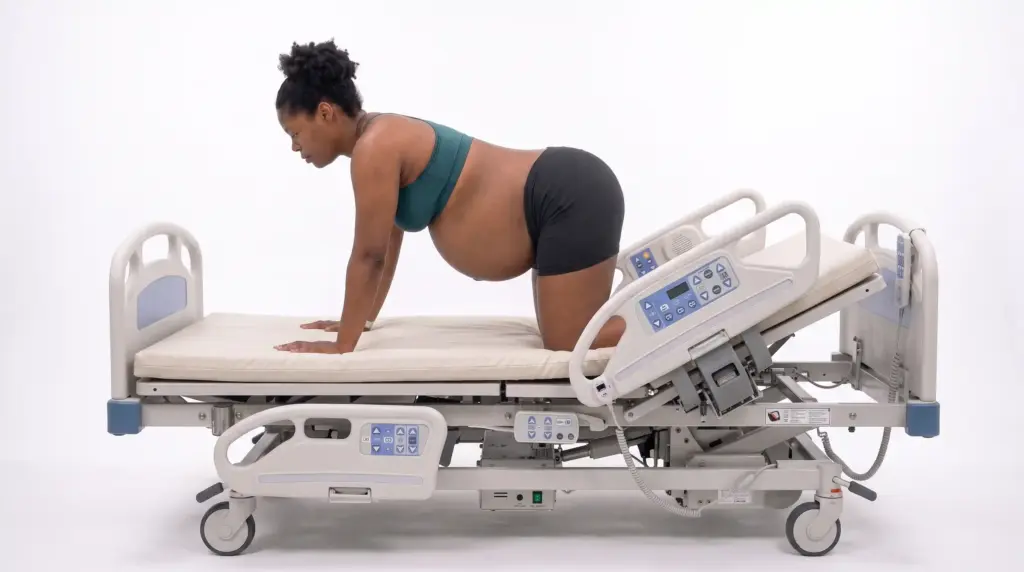
The hands-and-knees position places the mother’s weight on her hands and knees while relieving pressure on the lower back.
Many women naturally adopt this position when contractions become intense or when labor is associated with persistent back pain.
Possible advantages include:
- Relieving pressure on the lower spine
- Improving maternal comfort
- Encouraging movement during labor
- Providing an alternative to prolonged lying down
Although research has not shown that this position consistently shortens labor, it is generally considered safe for uncomplicated pregnancies and is frequently recommended as a comfort measure.
Comfort is an important outcome in childbirth. Even when a position does not shorten labor, it may still improve the overall birth experience by helping a woman cope more effectively with contractions.
Side-Lying
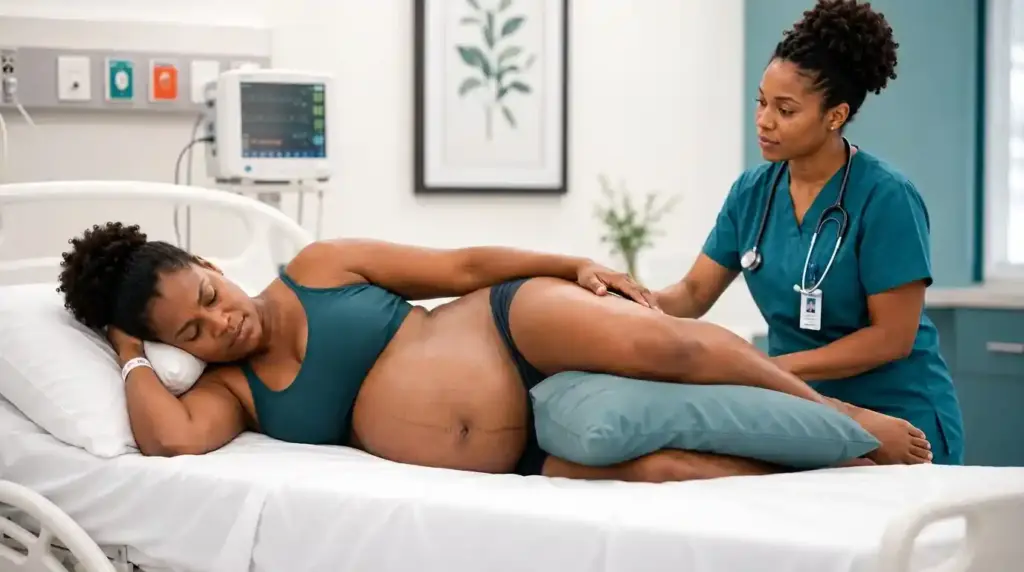
Side-lying is one of the most versatile birthing positions because it combines maternal comfort with good access for healthcare professionals.
The woman lies on either her left or right side while supporting her upper leg with pillows or assistance from the healthcare team.
This position may be particularly useful when:
- The mother is tired
- Mobility is limited by an epidural
- Blood pressure requires closer monitoring
- The healthcare team wants to slow a very rapid birth
- Continuous fetal monitoring is needed
Unlike lying flat on the back, side-lying reduces pressure on major blood vessels and generally maintains good blood flow to both the mother and the baby.
For many women receiving pain relief, side-lying offers an excellent balance between comfort and safety.
Semi-Reclined or Lying on the Back
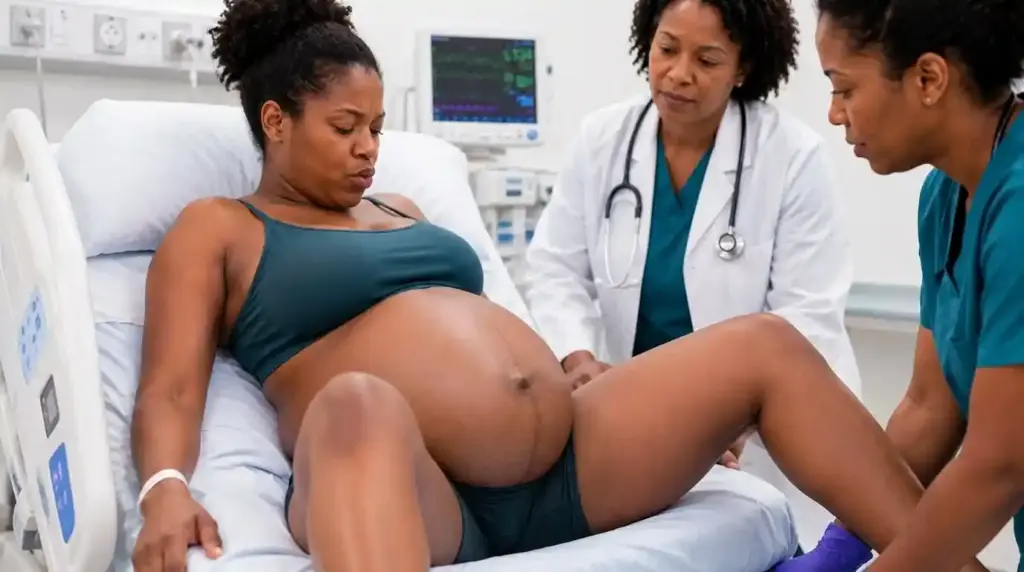
The semi-reclined position remains one of the most commonly used delivery positions in hospitals around the world.
Historically, this position became popular because it allowed healthcare professionals to examine the mother more easily and perform medical procedures when necessary.
Although remaining flat on the back for prolonged periods may reduce the benefits of gravity and place pressure on major blood vessels, a semi-reclined position still has important advantages in modern obstetric care.
These include:
- Easy access for fetal monitoring
- Better visualization during delivery
- Rapid response if complications arise
- Greater convenience during assisted vaginal delivery or cesarean preparation
For women with uncomplicated pregnancies, remaining mobile during labor is generally encouraged. However, if medical intervention becomes necessary, a semi-reclined position may provide the safest environment for both mother and baby.
Giving birth on your back is always wrong.
While upright positions may offer advantages during uncomplicated labor, a semi-reclined position remains appropriate in many clinical situations and can facilitate safe medical care when interventions are needed.
Water Immersion and Water Birth
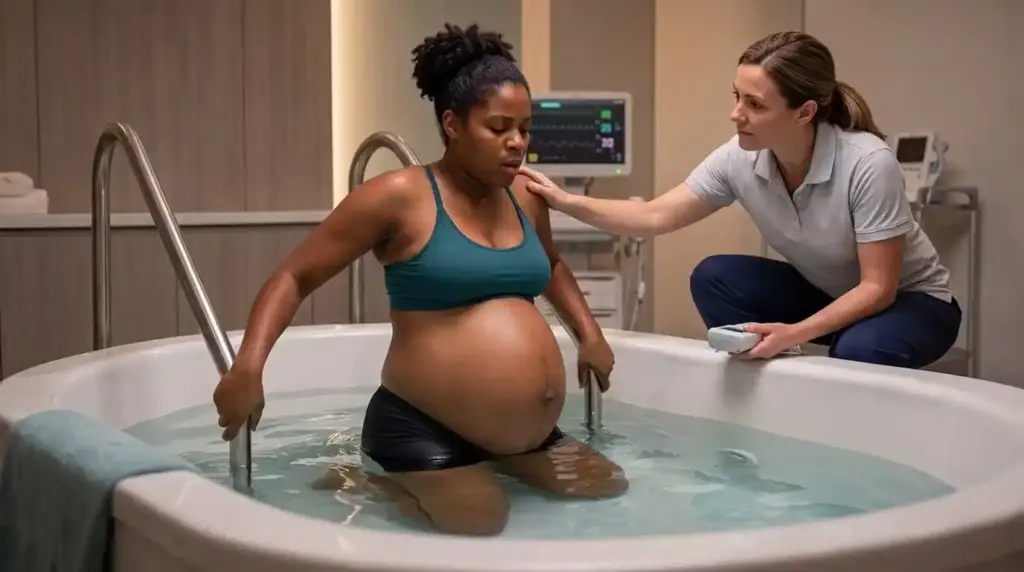
Warm-water immersion during labor has become increasingly popular because many women find it relaxing.
Research suggests that immersion during the first stage of labor may:
- Reduce pain
- Promote relaxation
- Increase satisfaction with the birth experience
- Reduce the use of some pain medications
Water birth, where the baby is delivered underwater, remains an area of ongoing research. Current evidence suggests that it may be safe for carefully selected low-risk pregnancies when conducted in facilities with trained staff and appropriate emergency support.
However, water birth is not suitable for every pregnancy. Certain maternal or fetal conditions may make it unsafe, and emergency situations may require leaving the birthing pool immediately.
Women considering water birth should discuss their individual circumstances with their healthcare provider well before labor begins.
Question: Does one birthing position produce the best outcomes?
What current evidence says: No single birthing position has been shown to be superior in every circumstance. For women with uncomplicated labor, evidence and WHO recommendations support mobility during labor and the freedom to choose a comfortable birth position. Upright positions may offer benefits in some circumstances, but their effects vary according to the stage of labor, use of epidural analgesia, and the outcome being measured.
Key message: The evidence supports individualized care and freedom of movement, not one universal birthing position.
Choosing a birthing position is not about finding one technique that works for everyone. It is about understanding your options and working with your healthcare team to choose the safest and most comfortable position as labor evolves. A position that feels right during early labor may not be the best choice during the pushing stage, and flexibility often leads to a safer and more positive birth experience.
When the Best Birthing Position Is Not Enough
A well-chosen birthing position can improve comfort, encourage movement, and support the normal mechanics of labor. However, even the most favorable position cannot overcome every challenge that may arise during childbirth.
Labor depends on many interacting factors, including the strength of uterine contractions, the baby’s size and position, the shape of the mother’s pelvis, and the baby’s ability to tolerate labor. When one or more of these factors becomes unfavorable, changing positions alone may not be enough.
Recognizing these limitations is an important part of evidence-based maternity care.
When Position Can Help
For women with uncomplicated pregnancies, changing position during labor may:
- Improve comfort during contractions
- Encourage the baby to descend through the pelvis
- Reduce pressure on the lower back
- Improve the effectiveness of pushing
- Help women feel more involved in the birth process
These benefits explain why many healthcare professionals encourage movement throughout uncomplicated labor whenever it is safe to do so.
Even so, position should be viewed as a supportive measure rather than a treatment for serious obstetric complications.
Pelvic Anatomy Still Matters
Every woman’s pelvis is unique.
Although the pelvis is designed to allow childbirth, its exact size, shape, and dimensions vary from person to person. At the same time, babies also differ in size, head position, and shoulder width.
During labor, the baby must successfully pass through three regions of the pelvis:
- Pelvic inlet – where the baby first enters the birth canal
- Midpelvis – the narrowest part of the birth canal
- Pelvic outlet – where the baby is born
The baby’s skull is also specially adapted for childbirth. Because the bones of the skull are connected by flexible sutures, they can overlap slightly during labor in a process called molding, allowing the head to pass more easily through the pelvis.
These natural adaptations make vaginal birth possible for most women.
However, anatomy has limits.
If the baby is unusually large, the pelvis unusually small, or the baby’s position unfavorable, labor may slow or stop despite strong contractions and appropriate positioning.
As stated earlier, older medical texts often classified the pelvis into four distinct types. While these descriptions remain useful for teaching anatomy, most women have a combination of pelvic features. Modern obstetrics places greater emphasis on how labor progresses than on assigning a specific pelvic type.
When Changing Position Is Not Enough
Some labor difficulties improve when a woman changes position.
Others do not.
For example, changing position cannot safely correct:
- Severe cephalopelvic disproportion (CPD)
- Persistent transverse lie
- Umbilical cord prolapse
- Significant placental abruption
- Severe fetal compromise
- True obstructed labor
In these situations, delaying appropriate treatment while repeatedly trying different positions may place both the mother and baby at greater risk.
Instead, modern obstetric care emphasizes early recognition of complications and timely intervention.
Heavy vaginal bleeding, severe abdominal pain between contractions, loss of consciousness, seizures, or persistent concerns about the baby’s heart rate require immediate medical assessment. Changing position should never delay emergency obstetric care.
Understanding Obstructed Labor
Obstructed labor occurs when the baby cannot progress through the birth canal despite strong, regular uterine contractions.
Although it has become less common in countries with ready access to obstetric care, obstructed labor remains one of the leading causes of maternal and newborn illness and death in many parts of the world.
Without prompt treatment, obstructed labor can lead to:
- Uterine rupture
- Severe infection
- Postpartum hemorrhage
- Injury to the birth canal
- Oxygen deprivation in the baby
- Stillbirth
Fortunately, most of these complications are preventable when labor is monitored by skilled healthcare professionals who recognize when normal labor is no longer progressing.
Labor is not simply a matter of waiting long enough for the baby to be born. When labor stops progressing normally, timely medical assessment can prevent life-threatening complications for both mother and baby.
Assisted Vaginal Delivery: When Extra Help Is Needed
Not every difficult labor requires a cesarean section.
In some situations, a vaginal birth remains possible but needs additional assistance. This is known as an assisted vaginal delivery or operative vaginal delivery.
Healthcare professionals may use specialized instruments to help guide the baby through the birth canal during the second stage of labor.
The two main methods are:
- Forceps, which gently cradle the baby’s head
- Vacuum extraction (ventouse), which uses controlled suction to assist delivery
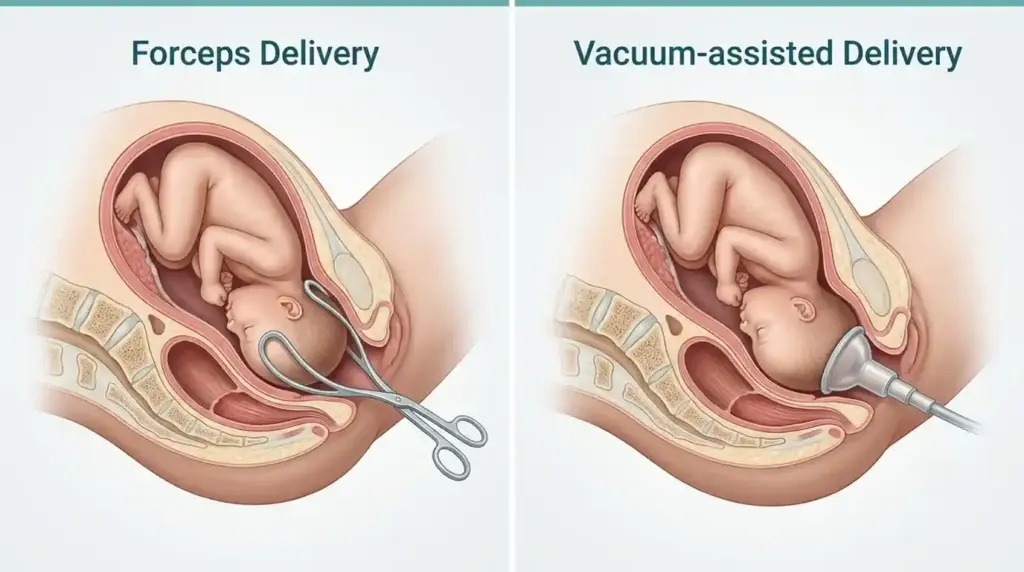
Assisted vaginal delivery may be considered when:
- The mother is too exhausted to continue pushing effectively
- The second stage of labor is unusually prolonged
- The baby needs to be delivered more quickly because of concerning heart rate changes
- Vaginal birth remains safe, but additional assistance is needed
When performed by trained clinicians under appropriate circumstances, assisted vaginal delivery can shorten labor and reduce the need for an emergency cesarean section.
Like all medical procedures, however, it also carries potential risks and should only be performed when the expected benefits outweigh those risks.
Obstetricians do not choose only between vaginal birth and cesarean section. Assisted vaginal delivery provides an important middle option that can safely complete a vaginal birth when carefully selected.
When a Cesarean Section Is the Safest Choice
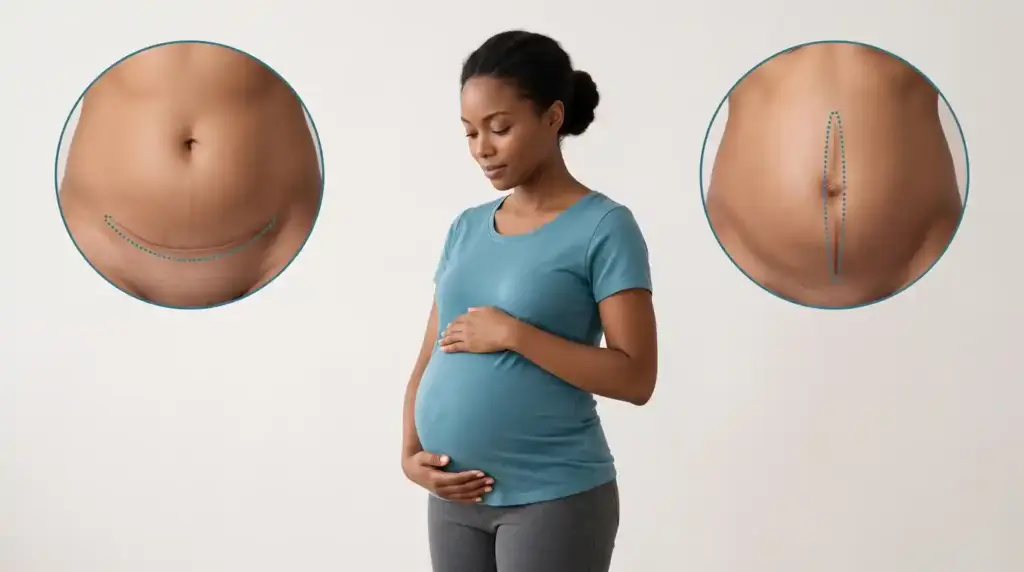
Few topics in maternity care generate as much discussion as the cesarean section.
Some people see a cesarean birth as a failure of natural childbirth, while others hope to avoid surgery under all circumstances.
From a medical perspective, neither view is accurate.
A cesarean section is simply another method of delivering a baby.
When medically indicated, it is often the safest way to protect the health of both the mother and the baby.
A cesarean section may be recommended when:
- Labor stops progressing despite appropriate management
- The baby develops signs of fetal compromise
- The placenta blocks the birth canal (placenta previa)
- The baby remains in a persistent transverse lie
- True cephalopelvic disproportion prevents safe vaginal birth
- Certain maternal or fetal conditions make vaginal birth unsafe
Current international guidelines emphasize that cesarean sections should not be performed unnecessarily, but they also should not be delayed when clearly indicated.
The goal is not to achieve the lowest cesarean rate.
The goal is to ensure that every woman who needs a cesarean section receives one promptly.
A cesarean section means the birth has failed.
When medically indicated, a cesarean section is often the safest way to protect the lives of both the mother and baby. A safe birth is a successful birth.
Beyond Position: Other Factors That Shape a Safe Birth
Choosing a birthing position is only one part of preparing for childbirth. A positive birth experience is also influenced by the support a woman receives, the environment in which she gives birth, her access to skilled healthcare, and her ability to make informed decisions throughout labor.
Current evidence consistently shows that respectful, individualized maternity care contributes to better experiences and, in many cases, better outcomes for both mother and baby.
The Importance of Continuous Support During Labor
Childbirth is not only a physical experience, it is also an emotional one.
Many women feel more confident and cope better with labor when they receive continuous support from a trusted companion. This may be a partner, family member, friend, doula, or another trained support person, depending on local practice and the woman’s preferences.
Research has found that continuous labor support may:
- Improve satisfaction with the birth experience
- Reduce anxiety during labor
- Decrease the need for some medical interventions
- Increase the likelihood of spontaneous vaginal birth
Supportive care does not replace skilled medical care, but it complements it by helping women feel informed, respected, and emotionally supported throughout labor.
Question: Does continuous labor support make a difference?
What current evidence says: Yes. A Cochrane systematic review found that continuous support during labor may increase the likelihood of spontaneous vaginal birth, reduce the use of some interventions, and improve women’s experiences of childbirth. The size of the benefits varies across outcomes and care settings.
A Birth Plan Should Be Flexible
Many expectant parents prepare a birth plan that outlines their preferences for labor and delivery.
A birth plan may include choices about:
- Preferred birthing positions
- Pain relief options
- Who will be present during labor
- Use of music or other comfort measures
- Immediate skin-to-skin contact after birth
- Feeding preferences for the newborn
Creating a birth plan can improve communication with the healthcare team and help women feel more involved in decisions about their care.
However, a birth plan should be viewed as a guide rather than a fixed set of instructions.
Labor is unpredictable. A woman who hopes to labor in water may later require continuous fetal monitoring. Someone planning to squat during delivery may become too tired to continue comfortably. Another may require an assisted vaginal delivery or a cesarean section because of unexpected complications.
Being flexible allows healthcare decisions to adapt to changing circumstances while still respecting the mother’s wishes whenever it is safe to do so.
Discuss your birth plan with your healthcare provider before your due date. Understanding which options are available at your chosen birth facility, and when plans may need to change, can help you approach labor with confidence and realistic expectations.
How Culture and Personal Beliefs Influence Childbirth
Across the world, women have given birth in many different positions, including standing, squatting, kneeling, sitting, side-lying, and in water.
These practices often reflect cultural traditions that have been passed down through generations.
Modern maternity care has also changed over time. Many hospitals once encouraged women to remain in bed throughout labor, largely because it made examinations and medical procedures easier. Today, evidence supports allowing women with uncomplicated pregnancies to move freely and adopt positions that feel comfortable whenever it is safe to do so.
Neither tradition nor modern medicine has all the answers.
Traditional knowledge often emphasizes comfort, movement, and emotional support. Modern obstetrics contributes advances in monitoring, emergency care, and lifesaving interventions.
The best maternity care brings these strengths together by combining respect for women’s preferences with evidence-based clinical practice.
Respecting a woman’s choices does not mean ignoring medical evidence. Likewise, providing evidence-based care does not mean ignoring a woman’s preferences. The best maternity care values both.
Why Access to Skilled Care Matters
Most pregnancies progress without serious complications, but childbirth can change quickly.
Problems such as severe bleeding, obstructed labor, fetal compromise, or seizures related to preeclampsia may develop with little warning, even after a healthy pregnancy.
When these emergencies occur, prompt recognition and treatment can save lives.
This is why organizations such as the World Health Organization (WHO) emphasize that every woman should have access to:
- Skilled birth attendants
- Essential medicines and equipment
- Emergency obstetric care
- Timely referral when complications arise
A comfortable birthing position is important, but it cannot replace access to trained healthcare professionals when emergencies occur.
Why Maternal Deaths Still Occur
Although maternal deaths have declined in many parts of the world, pregnancy and childbirth continue to claim the lives of hundreds of thousands of women each year.
Most of these deaths are preventable.
Public health experts often explain these tragedies using the Three Delays Model, which describes barriers that prevent women from receiving timely, lifesaving care.
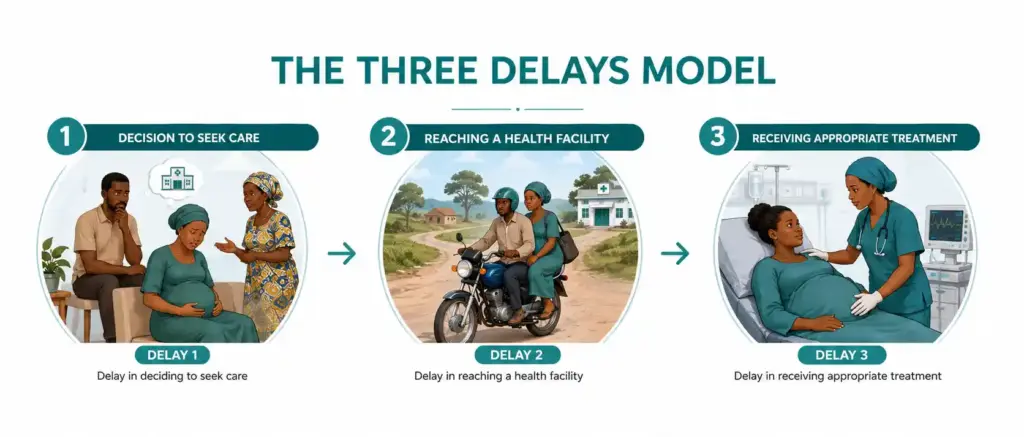
Delay 1: Deciding to Seek Care
Families may delay seeking medical attention because danger signs are not recognized, labor is expected to improve on its own, or financial, cultural, or social factors discourage early care.
Delay 2: Reaching a Healthcare Facility
Even after the decision is made, transportation problems, long travel distances, poor roads, or lack of emergency services may delay arrival at an appropriate facility.
Delay 3: Receiving Appropriate Care
After reaching a healthcare facility, shortages of trained staff, blood products, medications, operating rooms, or essential equipment may delay treatment.
Reducing these delays remains one of the most important strategies for improving maternal and newborn survival worldwide.
Safe childbirth depends on much more than choosing the best birthing position. It also depends on timely access to skilled healthcare professionals, emergency obstetric services, and healthcare systems that can respond quickly when complications arise.
What Should Expectant Parents Remember?
By the time labor begins, many expectant parents have read books, watched videos, listened to podcasts, and received advice from family, friends, and social media. It is easy to feel that there is one “right” way to give birth.
Current evidence paints a different picture.
A positive birth experience is rarely determined by one decision, such as squatting instead of lying on one side, or choosing a water birth instead of a hospital bed. Instead, it reflects thoughtful preparation, good communication, skilled care, and the flexibility to adapt when labor unfolds differently than expected.
Rather than aiming for a perfect birth plan, aim for an informed one.
Learn about your options, discuss your preferences with your healthcare team, and remain open to changes if they become necessary. The safest birth is not always the one that follows the original plan; it is the one that responds appropriately to the needs of both the mother and the baby.
A successful birth is not defined by the position used, whether pain relief was needed, or whether delivery was vaginal or by cesarean section. It is defined by achieving the safest possible outcome while respecting the mother’s preferences whenever circumstances allow.
Frequently Asked Questions
What is the best birthing position?
There is no single best birthing position for every woman. Current evidence shows that women with uncomplicated pregnancies generally benefit from being able to move freely and choose positions that feel comfortable throughout labor. The safest position depends on the mother’s health, the baby’s condition, the stage of labor, and whether medical intervention becomes necessary.
Is squatting the best birthing position?
Squatting may widen the pelvic outlet slightly and allows gravity to assist during the pushing stage of labor. Some women find it comfortable and effective, while others do not. It is one of several evidence-supported birthing positions rather than the universally best option.
Does lying on your back make labor harder?
Remaining flat on the back for long periods may reduce the benefits of gravity and can compress major blood vessels in late pregnancy. However, a semi-reclined position remains appropriate in many medical situations, particularly when closer monitoring or obstetric interventions are required.
Is water birth safe?
Warm-water immersion during the first stage of labor is supported by evidence as a way to improve comfort and reduce pain for many women. Water birth itself may be appropriate for carefully selected low-risk pregnancies when conducted in facilities with trained healthcare professionals and emergency support. It is not suitable for every pregnancy.
When is a cesarean section safer than vaginal birth?
A cesarean section may be the safest option when vaginal birth would place the mother or baby at increased risk. Examples include placenta previa, persistent fetal compromise, obstructed labor, certain abnormal fetal positions, and some cases of cephalopelvic disproportion.
Can I choose my own birthing position?
In many maternity units, women with uncomplicated pregnancies are encouraged to choose positions that feel comfortable during labor. However, certain medical conditions or emergencies may require specific positions or procedures to ensure the safest possible delivery.
Does staying active during labor really help?
For many women with uncomplicated pregnancies, yes. Remaining mobile during labor may improve comfort, encourage the baby’s descent, and help women feel more in control of the birth experience. Current evidence supports freedom of movement whenever it is safe.
- There is no single best birthing position for every woman or every birth.
- Current evidence supports freedom of movement during uncomplicated labor rather than recommending one universal position.
- Upright positions may improve comfort and help labor progress for some women, but they are not always the safest option.
- Labor outcomes depend on many factors, including the baby’s position, the mother’s pelvis, uterine contractions, and access to skilled maternity care.
- Changing position may improve labor, but it cannot correct serious complications such as obstructed labor or fetal compromise.
- A flexible birth plan allows healthcare professionals to adapt care while respecting the mother’s preferences whenever possible.
- The goal of childbirth is not a perfect birth plan, it is a healthy mother and a healthy baby.
There is no universal “best” birthing position. The strongest evidence supports giving women with uncomplicated pregnancies the freedom to move and adopt positions that feel comfortable as labor progresses. At the same time, childbirth is dynamic, and the safest position may change depending on how labor unfolds.
Rather than focusing on finding one perfect position, prepare by understanding your options, discussing your preferences with your healthcare team, and remaining flexible if circumstances change. A positive birth experience is not defined by whether you squatted, labored in water, or delivered lying on your side. It is defined by respectful, evidence-based care that helps both mother and baby reach childbirth safely.
Final Reflection
Childbirth has always inspired strong opinions. Across generations and cultures, families have shared advice about the “right” way to give birth, and modern social media has only amplified those voices.
Science offers a quieter but more reassuring message.
Most women do not need to find one perfect birthing position. They need accurate information, compassionate support, and healthcare professionals who can adapt to the changing needs of labor.
Evidence does not replace personal choice, it helps inform it.
And when evidence, experience, and respectful care come together, childbirth becomes less about following a rigid plan and more about achieving what matters most: a safe beginning for both mother and child.
Clinical question
What is the best birthing position during labor and delivery?
Summary of the evidence
Current evidence does not establish one universally superior birthing position. For women with uncomplicated labor, WHO recommendations support mobility and the freedom to choose a comfortable position during labor and birth. Upright positions may offer benefits in some circumstances, but outcomes vary according to the stage of labor, use of epidural analgesia, and the outcome being assessed. The mother’s condition, the baby’s well-being, and the progress of labor remain important considerations.
Take-home message
The best birthing position is one that is safe and comfortable for the individual woman at that stage of labor, taking her preferences and clinical circumstances into account. No single position is best for everyone.
Questions to Discuss With Your Healthcare Provider
Reading about childbirth is an important first step, but every pregnancy is unique. Discussing your preferences and any concerns with your healthcare provider can help you make informed decisions before labor begins.
Consider asking questions such as:
- Am I considered to have a low-risk or high-risk pregnancy?
- Which birthing positions are supported at this hospital or birth center?
- Will I be encouraged to move freely during labor if there are no complications?
- Are birthing balls, squat bars, or water immersion available?
- If I choose an epidural, which birthing positions will still be possible?
- Under what circumstances might my birth plan need to change?
- When would an assisted vaginal delivery be recommended?
- What situations might make a cesarean section the safest option?
- Who will be with me during labor, and how can my support person participate?
- What pain relief options are available, and how might they affect my mobility?
Bring a written birth plan to one of your prenatal visits and review it with your healthcare provider. Discussing your preferences before labor begins helps identify which options are available and prepares you for situations where the safest plan may differ from your original expectations.
Knowledge prepares you for childbirth.
Flexibility helps you navigate childbirth.
Skilled healthcare protects you during childbirth.
Together, they provide the best chance of a safe and positive birth experience.

No comments yet
Be the first to share your thoughts, clinical perspective, or questions on this topic.